The DASH diet, or Dietary Approaches to Stop Hypertension, is widely recommended by the American Heart Association as a method to avoid or control high blood pressure. Curious about the steps you can take to incorporate this healthy way of eating into your life? Here’s what you need to know.
What is the DASH Diet?
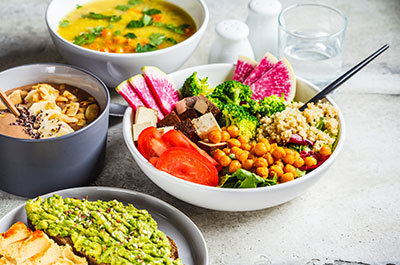
DASH was developed by a team of doctors, registered dietitians and other health professionals at the National Institutes of Health (NIH) in the late 1990s. Researchers found that a diet focused on vegetables, fruits, whole grains, low-fat dairy and lean proteins together had a definite impact on lowering blood pressure without medications.
“DASH closely models general healthy diet recommendations we make as dietitians,” says Beth Thayer, MS, RDN, a registered dietitian nutritionist with Henry Ford Health. “These are recommendations anyone can follow – even if they don’t already have high blood pressure.”
5 Simple Steps To Lower Blood Pressure

The basics of the DASH way of eating include:
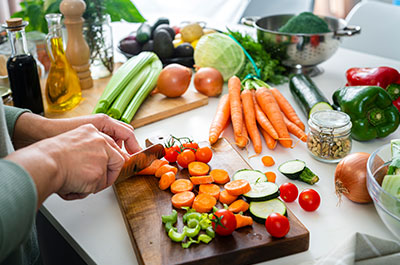
- Eating vegetables, fruits and whole grains. DASH recommends four to five servings each of vegetables and fruits per day, and six to eight servings of whole grains.
- Consuming two to three fat-free or low-fat dairy products per day.
- Including fish, poultry, beans, nuts and vegetable oils (6 ounces or less servings per day of fish or poultry; 2-3 teaspoons fats or oils per day; 3-4 one-fourth cup servings of nuts, seeds or legumes per week).
- Severely limiting foods that are high in saturated fat, such as fatty meats, full-fat dairy products and tropical oils such as coconut, palm kernel, and palm oils.
- Limiting sweets and sugar-sweetened beverages to five or less servings per week.
- Limiting sodium to 2,300 mg per day.
“The DASH diet focuses on a lot of high fiber foods such as whole grains, vegetables and fruits, which will fill you up while keeping calories low,” Thayer says. “You can potentially eat more food than you were before but consume smaller amounts of calories.”
Getting Started On The DASH Diet
Here are five ways Thayer recommends starting to incorporate DASH into your daily eating habits:
- Add at least two servings of vegetables and fruit into your day. The DASH overall goal is four to five servings each of vegetables and fruits. The typical American diet includes a serving or two. So start small; add a serving to each meal or replace one snack. Along with providing fiber, eating more produce also adds potassium, a natural diuretic, triggering your body to remove extra fluid – and extra sodium along with it.
- Check labels for sodium. DASH recommends less than 2,300 mg of sodium per day. And don’t be fooled by misleading labels, Thayer says. “Watch out for items that say low sodium, reduced sodium or light. The best practice is to always look at the label to find the amount of sodium per serving.”
- Start a food journal. Food journals allow you to really see what and how much you are eating, making it easier to spot opportunities to make healthier choices.
- Stop skipping meals and enjoy them with DASH-friendly foods. Take the extra time and plan ahead to help reduce your sodium intake. It’s also important to try to have 3 meals a day with most of those meals being made at home.
- Limit sweets to five or fewer servings per week. The DASH diet suggests any sweets consumed should be low in fat. The easiest way to start eliminating sweets is to limit your access to them. If you do not buy sweet treats at the grocery store or keep them in your house, you’re less likely to eat them.
Reviewed by Bethany Thayer, MS, RDN, director of the Henry Ford Center for Health Promotion and Disease Prevention.