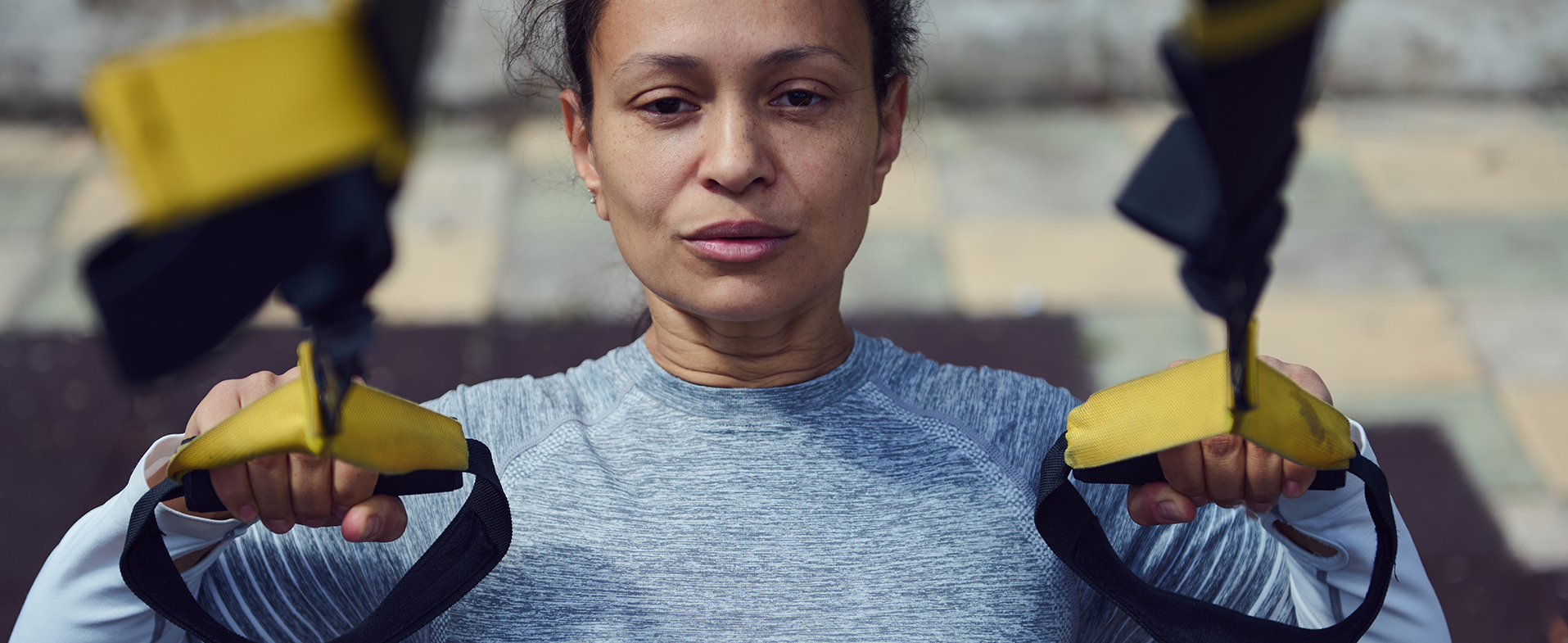
It might not be something you think about often, but having a strong grip is essential for everyday tasks like opening jars and doors. For older people who use canes and handrails for balance, a strong grip is also important to prevent falls.
What’s more, studies show grip strength can be a marker of your overall health, as a weak grip is associated with a higher likelihood of conditions like type 2 diabetes, cardiovascular disease and depression. Plus, it can be a predictor of mortality.
“The confounding factor here is exercise,” says Anton Khlopas, M.D., an orthopedic surgeon at Henry Ford Health. “These health conditions are associated with a lack of exercise and people who exercise more often also have stronger grip strength.”
Right along with overall muscle strength, grip strength naturally declines as you age. Women may especially notice a weakening of grip strength during menopause thanks to hormonal changes and decreased bone density.
Signs Of Weak Grip Strength
So, how do you know if you have a weak grip?
“If you’re dropping things and having a hard time opening jars and doors, tell your doctor,” says Dr. Khlopas. “To test grip strength, I’ll ask patients to squeeze their hands together or spread out their fingers. There’s also a device we use called a hand grip dynamometer, which can scientifically measure grip strength. Sometimes we use it for patients post-surgery, because grip strength can be a sign of how well you are recovering.”

Hand and Wrist Care at Henry Ford Health
When A Weak Grip Is A Sign Of A Neurologic Or Nerve Issue
In some cases, a weak grip can be due to issues like a neurologic condition or nerve injury.
“It’s important to identify grip weakness early, especially if it’s due to a nerve compression,” says Dr. Khlopas. “This causes a lack of blood supply to the nerve and so you’ll also experience tingling or numbness in your hands. There will be some shrinking of your muscles. If we wait too long to treat a nerve compression, you can have permanent numbness and weakness.”
Hand braces, over-the-counter anti-inflammatory medications, occupational therapy to strengthen the hand, steroid injections and surgery to release pressure from the nerve can be used as treatment options for a neurologic or nerve issue.
How To Increase Your Grip Strength
Resistant exercises – like using weights, resistance bands or strengthening balls – are great ways to increase grip strength.
“Resistance exercises are especially important in your 30s and 40s,” says Dr. Khlopas. “At that time, you can still build bone density that will help maintain your grip strength and prevent future issues like osteoporosis, fractures and injuries. After our 40s, our bone density declines.”
That said, no matter your age, you should stay active and strength train to maintain or increase your grip strength. Realistically, strength training a few times a week is sufficient, says Dr. Khlopas, with each session lasting 30 to 45 minutes.
And while you focus on exercise, don’t forget about nutrition – it’s also an essential component of overall strength. “Sometimes a lack of vitamins, for example vitamin B12, can predispose you to weakness,” says Dr. Khlopas. “A well-rounded diet is so important.”
Reviewed by Anton Khlopas, M.D., an orthopedic surgeon who specializes in hand, shoulder and upper extremities. He sees patients at Henry Ford Medical Center – Templin.