
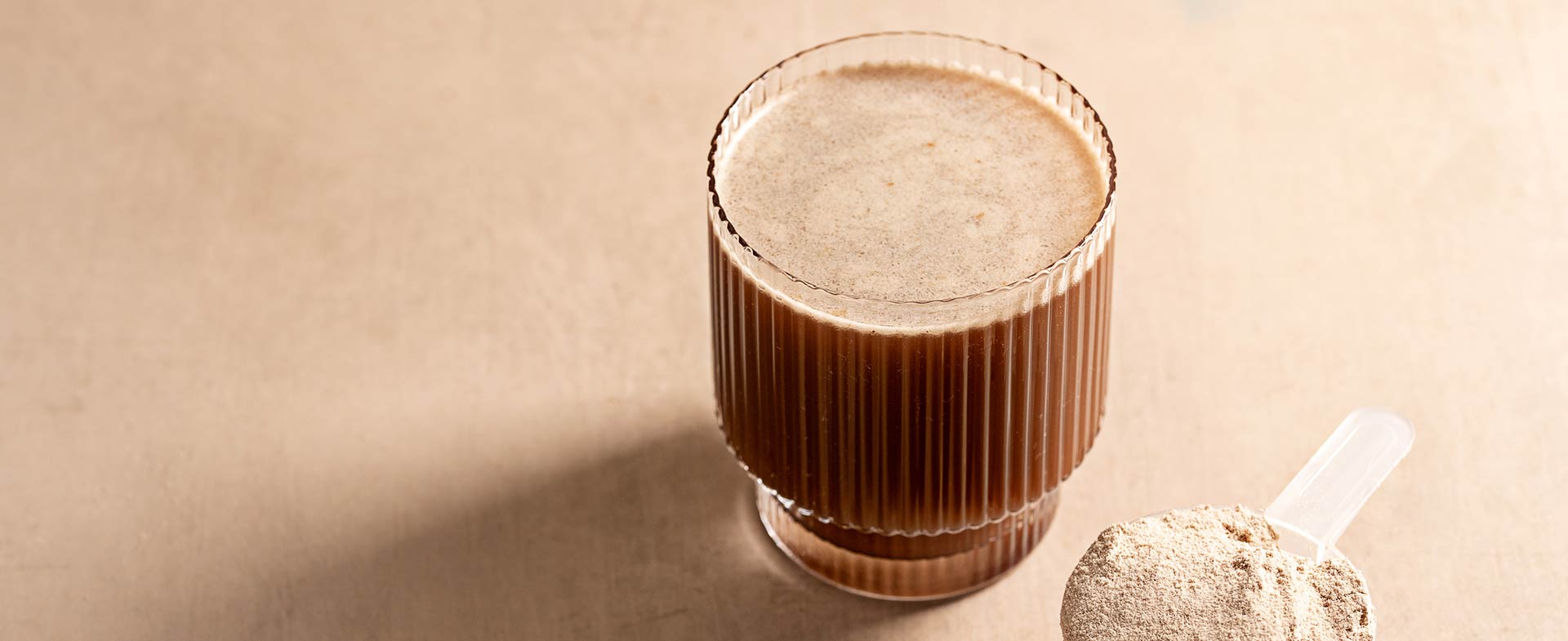
Given the current obsession that many Americans have with protein-packed foods, it is no surprise that more food and beverage products are being recreated and manufactured differently to accommodate. And your favorite coffee drinks are no different. Proffee, or high protein coffee, is the latest health trend embraced by everyone from wellness influencers to mainstream coffeeshop lovers. Here, Bethany Thayer, RDN, a dietitian at Henry Ford Health, answers some top questions about high protein diets and the rise of protein-forward coffee drinks.
Common Questions About Proffee
What are some things to consider with high-protein coffee drinks?
Thayer: Individuals should first consider if they really need the extra protein. While some people have high protein needs and may struggle to get enough protein, most are getting all they need already through whole foods, the preferred way to get your protein.
If you do need the extra protein and would like to try proffee, consider how add-ins contribute to the overall nutritional makeup of the drink. While a typical small cup of black coffee is very low in calories, anything you are adding to your coffee – whether that be different milks, sweeteners or protein powders – can impact the calorie, sugar, sodium and fat content of your morning beverage (without adding nutrients your body needs such as vitamins and minerals).
Additionally, not all protein add-ins are created equal. While powders are often a top choice for adding protein into your diet (and now your coffee), many of these products contain added sweeteners and have even been found to include traces of lead. Using whole foods such as dairy milk, Greek yogurt or cottage cheese instead would offer additional nutrients.

Is there such thing as too much protein?
Thayer: Yes. Our bodies can only process so much protein at a time (30-40 grams to be exact). Unlike carbohydrates and fat, additional protein cannot be stored. So your body will process it to eliminate it. This may lead to an increased risk of kidney stones and kidney damage. If you are trying to get more protein in at the start of your day by drinking a large protein coffee and having a high-protein breakfast or morning snack on the go, you might be consuming more than your body can handle.
Can a higher protein coffee drink be part of a balanced diet?
Thayer: Maybe. It is always best to get your protein from sources of whole foods like lean meats, dairy products, beans, nuts and whole grains. High protein coffee drinks might be all the rage, but coffee shouldn’t be seen as a meal replacement just because you’ve upped the protein content. You are better off leaving the protein out of your coffee and enjoying a high-protein breakfast instead.
Reviewed by Bethany Thayer, MS, RDN, director of the Henry Ford Center for Health Promotion and Disease Prevention.

