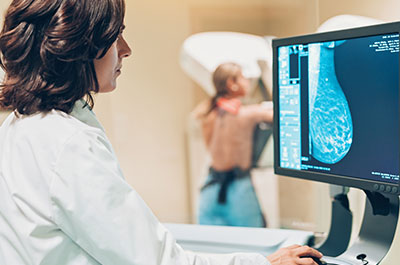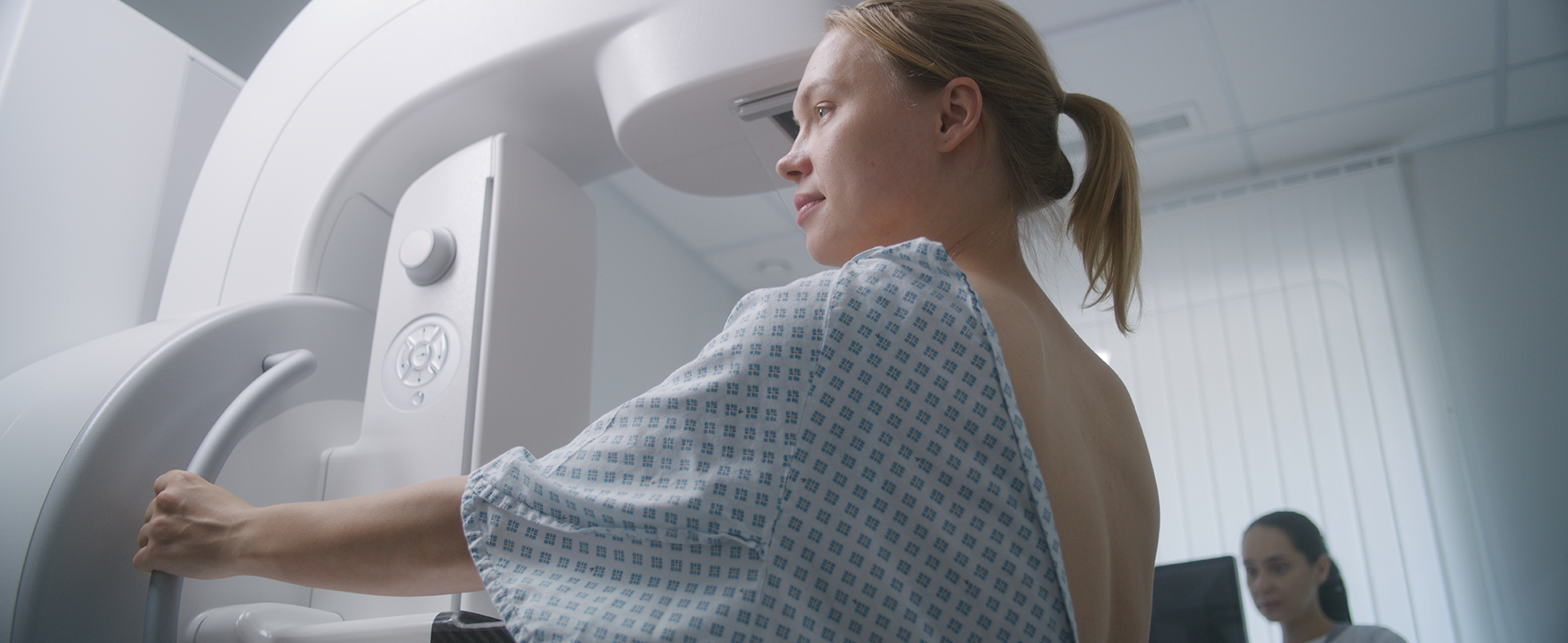
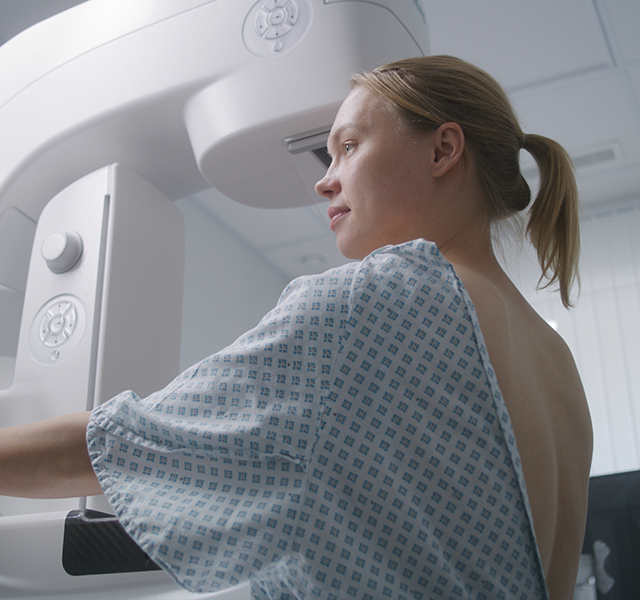
A recent study found that women who don’t get their initial screening mammogram are 40% more likely to die of breast cancer than those who do. The incidence of breast cancer was about the same in both groups – about 7.7%. Women who skipped their initial screening mammogram were more likely to be diagnosed with breast cancer at advanced stages 3 and 4.
“What they theorized from this study was that if a woman misses her first screening mammogram, she’s more likely to miss future mammograms,” says Sabala Mandava, M.D., a breast imager and chair of radiology at Henry Ford Health. “So if you develop breast cancer at any point, you’re more likely to be diagnosed at a later stage when it’s harder to treat, versus those who are getting annual mammograms and catching cancer early, before they have symptoms.”
The Importance Of A Baseline Screening Mammogram
For those at average risk of breast cancer, it’s recommended to start annual screening mammograms at age 40. Your initial screening – your baseline mammogram – is so important because it acts as a helpful comparison tool for future mammograms.

“Every woman has a specific pattern to her breast tissue,” says Dr. Mandava. “We compare current mammograms to past mammograms, looking at the pattern of someone’s breast tissue. If nothing changes and that pattern remains stable over time – aside from the fact that breast tissue gets fattier and less dense as you get older – then we know your breasts are healthy. If a small cancer is starting to develop, you can see the slight change in pattern from prior mammograms. The more prior mammograms we have, the easier it is to interpret current mammograms and find subtle changes that could indicate cancer.”
Staying Vigilant About Your Breast Health
While self-exams don’t replace annual mammograms, it’s also a good idea to do them monthly, in addition to your yearly mammogram. “Self-exams are great because every woman knows her breasts best,” says Dr. Mandava. “Your physician can do an annual exam but you know what your breast composition feels like. The key is not doing it too often – not every day or every week, but every month. If you do it too often, it’s hard to discern any differences. When you do it once a month, you can more easily perceive a difference in your breast tissue, if there is one.”
And getting a mammogram is easier than ever. With new technology, it doesn’t take as long to capture the images needed so it’s a faster process.
“Women are also sometimes afraid of the pain, but we always do our best to minimize it – and they say it wasn’t as bad as they thought it was going to be,” Dr. Mandava says. “Our technologists and physicians are there to help you get through it quickly. It takes 10 minutes and it can make the difference between saving a life and not.”
Reviewed by Sabala Mandava, MD, FACR, a breast imager and chair of radiology at Henry Ford Health.