
Seven out of ten people live five years after a cancer diagnosis – a record-breaking number, reports the American Cancer Society. The five-year mark is used to measure cancer survival because for most cancers, if they haven’t recurred in five years, there’s a reasonable chance the person has been cured. As patients are living longer, however, survival may be measured in both five- and ten-year increments, says Shirish Gadgeel, M.D., a medical oncologist at Henry Ford Health.
Even historically tough cancers to treat – like lung cancer – are making strides in survival.
“When I started treating lung cancer in 2000, the average survival of advanced stage disease was eight months,” Dr. Gadgeel says. “There was no standard lung cancer screening and chemotherapy was the only treatment. But I had a patient who was diagnosed with stage 4 lung cancer more than 10 years ago. He enrolled in an immunotherapy clinical trial and now has no evidence of cancer. I cannot tell you how amazing it is to see a patient doing so well.”
While Dr. Gadgeel says this outcome is still a minority of patients with advanced stage lung cancer, it shows what the future could look like for many people.
Factors That Have Increased The Five-Year Cancer Survival Rate
Dr. Gadgeel says there are a few reasons why cancer survival has improved over the years:
1. Increased cancer screenings.
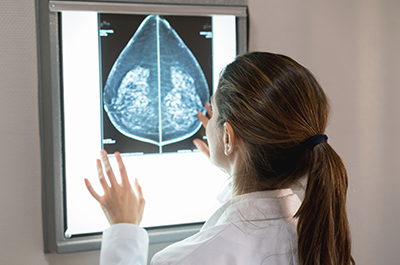
The earlier cancer is found, the easier it is to treat. Getting routine screenings is the best way to do this. Right now, five cancers have standardized screening guidelines: breast, colorectal, lung, cervical and prostate. Don’t forget to get your cancer screenings – they can save your life. To continue to improve the cancer survival rate, it’s important that all individuals who are candidates for cancer screenings can access them, without barriers to cost.
2. A better understanding of tumor biology.
“We know much more about how different cancers grow and spread,” says Dr. Gadgeel. “And based on that understanding, we now have targeted therapy and immunotherapy. Apart from being far more effective than chemotherapy, these drugs allow cancer doctors to tailor treatment to each person’s individual tumor.”
Dr. Gadgeel says this is all thanks to research: “It’s important to ensure research continues to be supported. The benefits of cancer research today will likely yield even greater benefits than they did ten years ago because of all of the advances that have occurred within recent years.”
3. More clinical trials.
“To be FDA-approved and used on a large scale, new treatments have to be tested in patients,” says Dr. Gadgeel. “Participating in a clinical trial – like the lung cancer patient I mentioned – can benefit both the individual patient and cancer research in general.
“We’re doing a good job of enrolling patients in clinical trials, but still only a minority of patients – around 10 to 15 % – are enrolled. If more patients participated in clinical trials, advances in cancer treatment may occur even more rapidly.”

Cancer Treatment at Henry Ford Health
Looking at Cancer Differently In The Long-Term
Because people are living longer after a cancer diagnosis, more focus is being placed on quality of life and overall health – how to mitigate side effects of cancer treatment and ways to better someone’s mental and physical health during and after cancer.
Integrative Treatments for Cancer
Right alongside cancer treatment, holistic and integrative services are important to heal cancer patients and survivors.
“In the long-term, patients may experience other health issues – along with mental health difficulties – because it’s not easy to go through cancer treatment or live constantly with the fear of recurrence,” says Dr. Gadgeel. “We need to ensure we are taking care of the entire patient and not just the cancer.”
At Henry Ford Health, supportive services for cancer patients and survivors are widespread, from nutrition, exercise and mental health counseling to palliative care, art and music therapy classes – and more.
Cancer Treatments with Reduced Side Effects
Not everyone who lives years after a cancer diagnosis is cured. Today, thanks to effective medications, cancer can sometimes be a chronic condition like heart disease or diabetes where medicine must be taken to manage it over a long period of time.
“It’s important to control the cancer in a way where the treatment doesn’t become more of a problem for the patient than the cancer itself,” says Dr. Gadgeel. “We don’t want to make treatment such a dominant factor in someone’s life that it becomes all-consuming. On a day-to-day basis, we want them to be able to do most of the things they want to do.”
Much of cancer research is focused on finding more effective treatments with reduced side effects. Certain integrative services can also help mitigate side effects like acupuncture for neuropathy, or experiencing a tingling/numbness in the extremities.
Disparities In Cancer Diagnosis and Outcomes
While the overall cancer survival rate is increasing, the Black and Native American communities are still being diagnosed with and dying from cancer at the highest rates. This is likely overwhelmingly due to disparities in healthcare, such as limited access to care – whether because of cost or lack of transportation.
“There’s always a concern that scientific advances may actually worsen these disparities if they are difficult to access because of limited resources,” says Dr. Gadgeel. “If populations are treated the same way with state-of-the-art technology and treatments, there are no differences in cancer outcomes. So we need to ensure every patient who is a candidate for a cancer screening test or a particular cancer treatment can access it. As patients are doing better – but we still have the experience of certain patients not doing well – it becomes very motivating to continue our efforts so everyone can have these long-term outcomes.”
Reviewed by Shirish Gadgeel, M.D., a medical oncologist who specializes in lung and thoracic cancer. He is the Associate Chief for Academics in the Division of Hematology and Oncology, and Professor of Internal Medicine at Michigan State University, Lansing. He sees patients at the Henry Ford Cancer in Detroit and Henry Ford Medical Center in Novi.