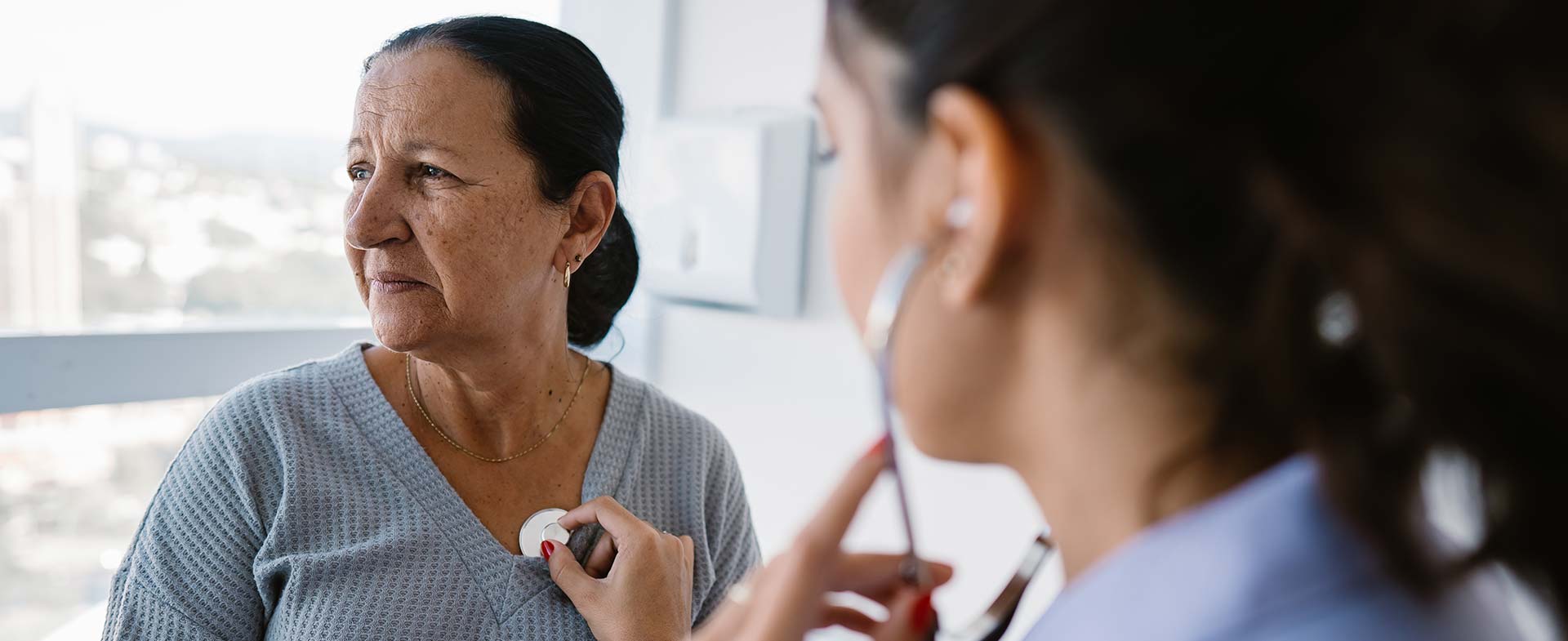

So often the focus of heart attack recovery is on the physical journey – getting back to exercise and getting your heart rate up safely again. However, not everyone thinks about the possibility of a psychological reaction following this type of life event. Here, Kelly Bryce, PhD, a health psychologist at Henry Ford Health, explains the toll a heart attack can have on your mental health.
“After a heart attack, many people don’t trust their heart anymore,” says Dr. Bryce. “People often have to face the fears of recurrence that may limit them from pursing exercise, hobbies, work and other responsibilities.”
According to Dr. Bryce, these are completely normal feelings to have – they just aren’t talked about as much. But anxiety, depression and even post-traumatic stress disorder (PTSD) may come out after the initial cardiac event has occurred.
“These mental health changes affect everyone differently,” says Dr. Bryce. “For some people they are hit with the anxiety right away as their body kicks into survival mode after a heart attack. For others, these feelings may creep in over time.”
The biggest concern? Long-term stress and mental health changes can increase your risk for an additional heart episode. Fortunately, the journey to getting back to your regular routine isn’t something you have to figure out on your own.
Getting Back To Life After A Heart Attack

Here, Dr. Bryce shares her recommendations for easing back into a place where you are feeling more mentally and physically healthy after your heart attack:
- Build a partnership with your cardiologist. Your recovery is heavily dependent on trusting in your provider to help you manage your symptoms. “When patients establish trust with their provider, then they can learn to trust in their body again,” says Dr. Bryce.
- Strengthen your heart with cardiac rehab. Cardiac rehabilitation programs are specifically designed to help you feel comfortable exercising and getting your heart pumping safely after a heart attack. Following through with regular appointments will make it easier for you to feel confident getting back into your day-to-day routine.
- Boost confidence by doing what feels right for you. Reintroducing your normal activities is one of the best steps toward recovery. If you are still working to build up your strength and endurance, focus your time on hobbies or activities that you can still enjoy. These little things can add up to help you feel more comfortable post-heart attack.
- Keep up with heart healthy practices. From eating healthily and getting enough sleep to monitoring your heart health at home and avoiding risky behaviors like smoking and drinking, making lifestyle choices that promote a healthy heart will aid in your recovery.
- See mental health services if you are struggling with your recovery. When you recognize symptoms of anxiety, depression or notice that you are struggling with your recovery, don’t hesitant to reach out to a mental health provider that specializes in this area. “Cognitive behavioral therapy, mindfulness practices, support groups and psychiatric medications are all tools that can be used to help you get back to feeling more like yourself,” says Dr. Bryce.
Reviewed by Dr. Kelly Bryce, a health psychologist who sees patients within transplant at Henry Ford Hospital in Detroit.