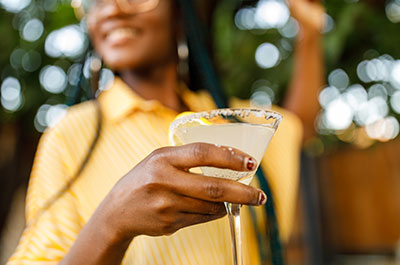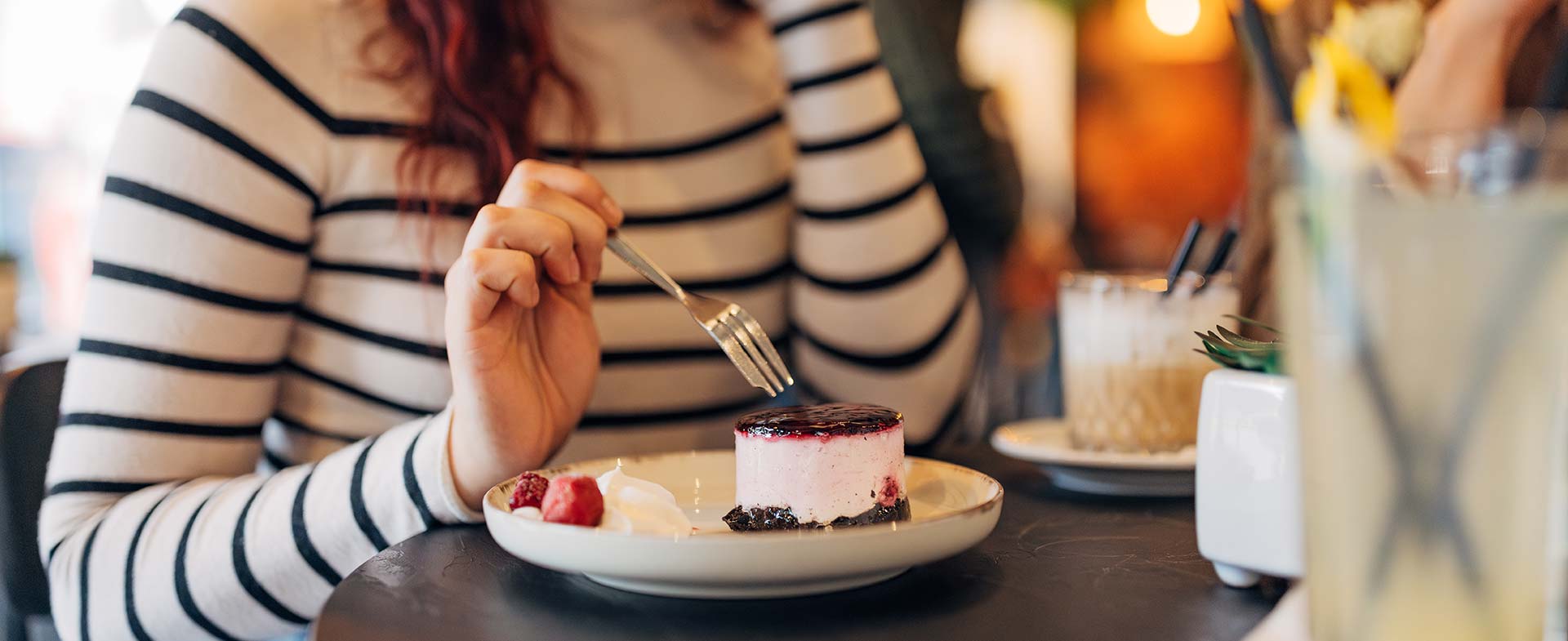

After the excesses of the holiday season, Dry January—a month without alcohol—can be a great way to hit refresh on your habits. But many people find that when they cut out their post-work pint or evening cocktail, their sweet tooth goes into overdrive.
“Sweet cravings are really common when you cut out alcohol,” says Chris Nixon, LMSW, an addiction medicine specialist at Henry Ford Health.
What’s behind that need for sugar? Should you swap drinks for desserts—or is that just replacing one bad habit with another? Nixon explains what’s going on in your body and brain when you crave sugar, and how to manage your Dry January sweet tooth.
The Link Between Quitting Alcohol and Sweet Cravings
Many alcoholic beverages contain a lot of sugar and carbohydrates—but the link between alcohol and sugar cravings runs deeper. There are several reasons that cutting out cocktails has you daydreaming about candy and ice cream, experts say.
For one thing, drinking causes an instability in blood sugar levels. “Alcohol contributes to blood sugar spikes and crashes, which lead to cravings,” Nixon says. Blood sugar instability can continue when someone quits drinking, especially for heavier drinkers. Those ups and downs lead to irritability and big-time cravings.
The brain’s reward system is also to blame. “Both sugar and alcohol produce dopamine, which activates reward pathways in the brain,” Nixon says. They also both affect serotonin, a brain chemical that plays a role in mood. When you stop activating those pathways with alcohol, the brain looks for other ways to be rewarded and cheered up. Like a hot fudge sundae, for example.
Is Replacing Alcohol With Sugar a Good Idea?
It might seem like a fair trade: Just swap your nightly glass of wine for a bag of gummy bears, at least temporarily. You can always cut out the sugar later…right?
Unfortunately, it’s not quite that simple. Eating sweets (and other ultra-processed foods) can cause spikes in blood sugar. When the sugar high wears off, you’re more likely to feel irritable and experience more cravings. Indeed, one study of people in recovery for alcohol use disorder found that those who ate sweets early in the day were more likely to crave alcohol later.
“Eating sweets can actually increase the urge to drink,” Nixon confirms. “So replacing alcohol with sweets is really a double-edged sword.”
A healthy diet rich in proteins and whole grains, on the other hand, can stabilize blood sugar levels, helping you feel steadier and less irritable. “Often, giving up sugar and alcohol at the same time is the best opportunity for a healthy reset,” Nixon says.
That said, it’s not the end of the world to indulge in occasional sweet treats. If you’re committed to staying alcohol-free, a square of dark chocolate or a slice of cake at a birthday party won’t undo your progress. “Just try to keep sugar on the low side,” Nixon says.
Coping Tips for the Sober Curious
What if you’re sober curious but wary of sugar cravings? Putting a plan in place for healthy coping strategies can help you stay on track as you establish new habits.
- Map your meals: Try creating a healthy meal plan before you quit drinking. It may help to consult with a nutritionist or your healthcare provider for advice. “They can help you design an eating plan that provides the nutrition you need and includes things like protein that can help reduce cravings,” Nixon says.
- Stay hydrated: Drink plenty of water to feel full and manage cravings.
- Get busy: Exercise is a great way to give your body a shot of dopamine and endorphins to engage the brain’s reward system and boost your mood. “Research clearly shows that exercise can help people manage alcohol cravings,” Nixon says.
- Find sober fun: Early on in your sobriety journey, it’s often easier to not be around alcohol. Reach out to sober friends or plan activities that don’t revolve around drinking. Instead of meeting up for drinks, invite friends to go for a hike or see a movie. (Just order popcorn instead of that extra-large box of chocolate malt balls.)
- Ask for support: There’s no shame in being sober-curious. Let friends and family know you’re trying it out—and ask them to support you as you change up your habits.
- Be patient: In the moment, a craving for alcohol or sugar can feel overwhelming. In fact, cravings usually pass within 3 to 5 minutes, Nixon says. When the urge hits, distract yourself by calling a friend, going for a walk, or engaging in some deep breathing and mindfulness activities.
Benefits of Dry January

See An Addiction Specialist
If you’re thinking about trying Dry January, you might be wondering if it’s worth the trouble. Cravings are temporary and manageable, Nixon says—and the rewards of a month without drinking can be significant. “Dry January is a great way for anyone to reexamine their relationship with alcohol, no matter how much they drink,” he says.
“As we learn more, we’re finding that even moderate drinkers who don’t meet the criteria for alcohol use disorder can have liver disease or liver damage,” he adds. “Quitting can allow the liver to heal, and has many other benefits like improved mood, better sleep, more energy and an overall sense of increased well-being.”
It’s always important to speak with your doctor before you alter your drinking habits, especially if you have health conditions like diabetes, liver disease, or kidney problems. For heavy drinkers—including people who engage in binge drinking or other high-intensity drinking—quitting suddenly can be dangerous, so don’t try to go it alone.
“Talk to your doctor or a specialist if you need support,” Nixon says. “This is an opportunity to reset your habits for a healthier life.”
Reviewed by Chris Nixon, LMSW, CAADC, Administrative Director of Addiction Medicine at Henry Ford Health.