.svg?iar=0&hash=F6049510E33E4E6D8196C26CCC0A64A4)

/hfh-logo-main--white.svg?iar=0&hash=ED491CBFADFB7670FAE94559C98D7798)
BPA: An Alternative Procedure for Some CTEPH Cases
Balloon pulmonary angioplasty (BPA) is a minimally invasive procedure performed in our cardiac catheterization lab.
We are one of few centers in the U.S. who can treat CTEPH, a rare, potentially life-threatening condition.
Pulmonary embolism (PE), a blood clot in the lungs, may be treated when the clot first appears. However, if left untreated, pulmonary embolism can lead to chronic pulmonary embolism and ultimately to chronic thromboembolic pulmonary hypertension (CTEPH), a rare type of pulmonary hypertension that can be debilitating and life-threatening. CTEPH may go undiagnosed, given that the symptoms can mimic other conditions.
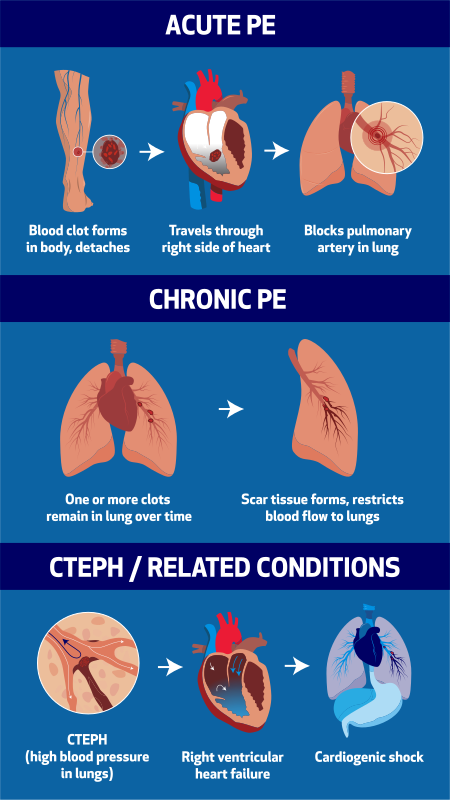
Typically, an acute PE forms when a new blood clot forms somewhere else in the body. One of the most common causes is a deep vein thrombosis (DVT), when a clot forms in one of the deep leg veins. If the clot detaches, it can travel through the veins in the body to the heart. From there, it passes through the right side of the heart and becomes stuck in one of the pulmonary arteries, the large arteries that lead from the heart into the lungs.
If left untreated, then over time the original clot can remain lodged in the lung. In addition, other clots may develop in the body, travel to the lungs and stay there. These can cause scar tissue in the lung’s blood vessels, narrowing them and restricting blood flow from the heart into the lungs.
If left untreated, this can develop into CTEPH (high blood pressure in the lungs). This pressure makes the right side of the heart work harder, which can in turn cause heart failure in the right ventricle (lower chamber). Over time, this can weaken the right side of the heart, making it harder to pump blood into the lungs. Ultimately, without treatment, the heart is unable to pump enough oxygenated blood to the body to meet its needs, which can lead to a lack of oxygen in the body’s tissues and organ failure.

If you have had a pulmonary embolism, this increases your risk for developing chronic PE and CTEPH. Other risk factors include:
A history of deep vein thrombosis
Having a condition known as thrombophilia, which increases the risk of developing blood clots
Having pulmonary hypertension that affects the right side of the heart (also known as pulmonary arterial hypertension)
Symptoms may include:
If you experience any of these symptoms, seek emergency treatment.
One of the first signs that CTEPH has developed may be exercise intolerance, where you notice a decrease in your ability to do exercises or other activities that you were able to do previously without any limitation. However, sometimes this and other symptoms are missed, or written off as something else, such as just being out of shape.
Given this, some patients don’t realize there’s a problem until it becomes an emergency—such as passing out and being rushed to the hospital.
While an acute (sudden) pulmonary embolism is often diagnosed through a heart CT scan, we use a series of tests to diagnose chronic PE and CTEPH, including:
Ventilation perfusion scan (V/Q scan): This nuclear medicine exam consists of two separate tests, which collectively measure the air flow and blood flow in your lungs.
Echocardiogram: This ultrasound of the heart looks at the heart muscle, and specifically the right side. In cases of chronic PE and CTEPH, the right side of the heart can be under stress from blood clots, which can cause muscle weakness or thickness.
Heart CT scan: This is used to confirm the diagnosis after the other two tests. During this test, we inject dye into the lung arteries and take high-definition images that identify blockages such as blood clots and scars from previous clots.
Our pulmonary hypertension team evaluates each patient and includes medical therapy as a central piece of the treatment plan. For patients who need additional treatment for CTEPH, we perform two procedures:
Pulmonary thromboendarterectomy (PTE): During this open-heart procedure, the surgeon removes one or more blood clots directly from the pulmonary arteries in the lungs.
Balloon pulmonary angioplasty (BPA): Some patients with CTEPH may be eligible for this minimally invasive, catheter-based procedure. BPA uses wires and balloons like the ones that we use in similar heart procedures. We inflate these to expand the blocked pulmonary artery, allowing the blood to flow past it—decreasing the pressure that’s building up in the circulation and allowing for more oxygen to get into your blood.
We use cookies to improve your website experience. By using this site, you agree to our Terms of Use. Read our Internet Privacy Statement to learn what information we collect and how we use it.