
Your body contains about 30 trillion human cells—and 38 trillion bacteria. In other words, there are more of them than there are of you. But which are friends, and which are foes? New at-home microbiome tests claim to answer that question.
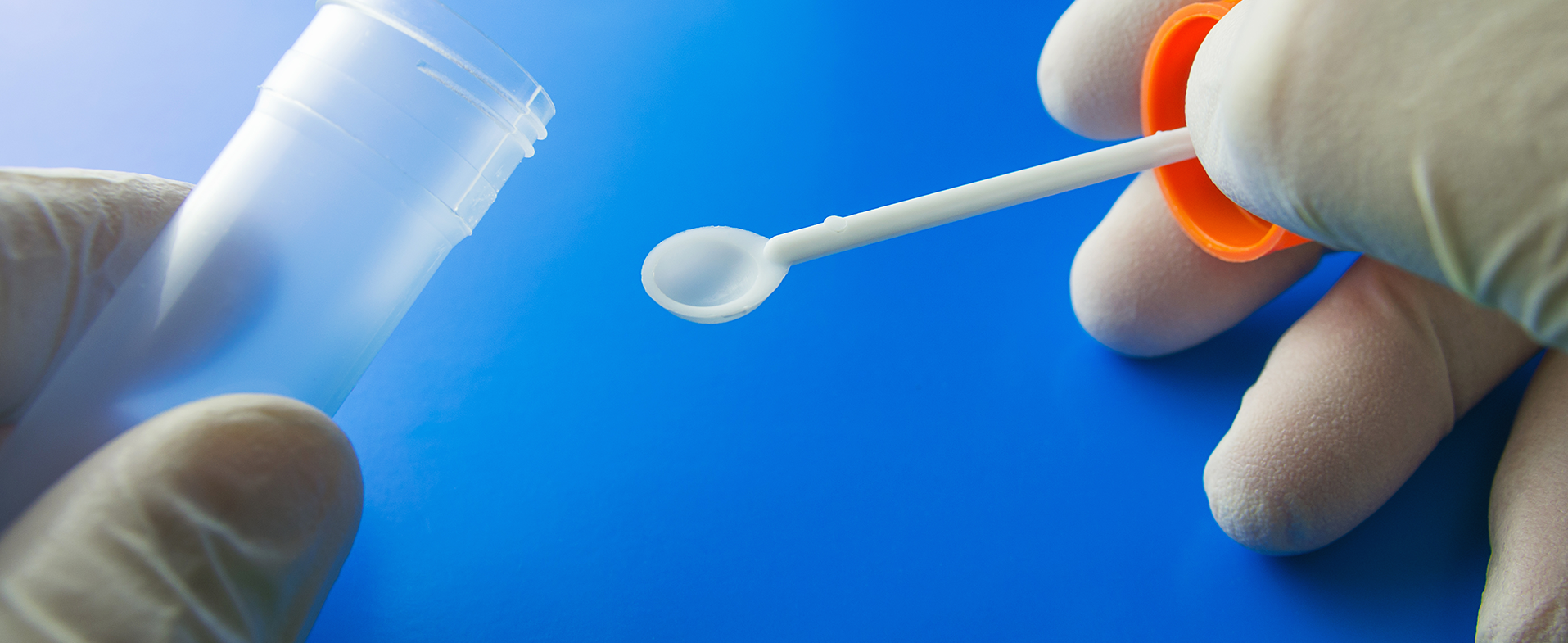
Sold directly to consumers, these tests collect stool samples for analysis in a lab. Companies claim the analysis reveals the diversity and balance of microbes in your gut—collectively known as the microbiome.
According to their manufacturers, the tests offer important insights for your health. Some even claim to tell you what foods you should eat to strike the right bacterial balance. It sounds like a great way to get a healthier microbiome. But can you trust the tests?
Proceed with caution, recommends Najwa El-Nachef, M.D., a gastroenterologist at Henry Ford Health.
“We’ve known about the importance of the microbiome for a very long time. Over the last couple of decades, there’s been a burst of knowledge, and we’re learning a lot about the microbiome’s role in health and illness,” Dr. El-Nachef says. “Unfortunately, we don’t know enough about them yet to change the way we manage health and disease.”
Here’s what to know about microbiome tests—and what else you can do to keep your microbiome healthy.
Are Microbiome Tests Accurate?
Microbes live throughout your body, but they are especially abundant in your gut, Dr. El-Nachef says. There, they do all sorts of important jobs: secreting hormones, making vitamins, keeping inflammation in check and more. But when the population of bacteria gets out of balance, it can lead to problems.
An imbalance in the microbiome has been linked to a wide variety of health problems, including eczema, irritable bowel syndrome (IBS), attention deficit hyperactivity disorder (ADHD) and Type 2 diabetes. “It’s clear the microbiome is important to our health,” Dr. El-Nachef says. But there are still more questions than answers about what a healthy microbiome looks like.

Meet With A Gastroenterologist
Some groups of bacteria tend to be associated with good health, and others are more likely to show up when someone has poor gut health. But within those broad patterns, there is wide variation.
Patterns of gut bacteria differ by race and ethnicity, and even day-to-day. If you were to analyze someone’s microbiome every day for a week, you might get seven different results, Dr. El-Nachef says. “There’s no one specific pattern that says, ‘This is what a healthy microbiome looks like,’” she adds.
And so far, there’s no evidence that microbiome tests provide any useful guidance about diet or disease. “Unfortunately, there aren’t tests that are clinically proven or detailed enough to inform the way we manage an individual’s health,” she says.
Tips for Healthy Gut Bacteria
While at-home microbiome tests aren’t likely to be helpful, there are other things you can do to improve your gut health and keep your gut bacteria happy.
- Eat more fiber. High-fiber foods are important for digestion and gastrointestinal health—and there’s evidence they can promote a healthy gut microbiome, too. Nutrition experts recommend getting fiber from whole foods like fruits, vegetables, legumes and whole grains.
- Drink more water. Food moves through your gut more easily when you’re well hydrated, supporting digestion and gut health.
- Avoid processed foods. What’s good for overall health is good for the microbiome. There’s some evidence that ultra-processed foods high in sugar and salt can harm the beneficial bacteria in your belly.
- Approach probiotics with caution. Research on probiotic supplements shows mixed results, Dr. El-Nachef says. “There have been some studies that show probiotics could have unintended effects—such as making it harder for a healthy microbiome to recover after taking antibiotics,” she says. If you’re taking probiotics and find them helpful, there’s probably no reason to stop. But she doesn’t think everyone needs to seek them out. A better approach might be to eat foods that contain natural probiotics, such as kimchi, kombucha or yogurt.
Dr. El-Nachef is hopeful that in time, researchers will learn enough about our gut bacteria that such tests will be useful for guiding decisions about diet medicine. “I think microbiome tests are likely to be valuable in the future. But we’re not there yet,” she says.
Reviewed by Najwa El-Nachef, M.D., a gastroenterologist who sees patients at Henry Ford Hospital and Henry Ford Medical Center – Columbus.

