If you or your child plays sports or participates in physically risky activities, wearing a helmet could be lifesaving. While no helmet is concussion-proof, wearing one can help reduce the risk of serious head injuries.
"Helmets are made with materials that help reduce impact to the head, protecting the brain and skull from damage," says Christopher Clark, M.D., an emergency medicine physician at Henry Ford Health. "You should be wearing a helmet whether you're playing a contact sport or riding something on a hard surface, such as a bike, scooter, skateboard or rollerblades."
Head Injury Prevention 101: Helmet Buying Basics
All helmets are certified at the same level for multi-use recreational activities. So there's no need to search for a specific seal or rating. Instead, when you're purchasing a helmet — or getting one second-hand — focus on these four factors:
1. How will you use the helmet?
Pay attention to the risks involved with the activity you're doing. If you're biking, skiing or snowboarding, for example, you're wearing a helmet in case you get hit, not because you'll get hit.
There are two types of helmets: single-impact and multiple-impact. Single-impact helmets are made with foam materials that break down when hit as part of their force mitigating strategy. These helmets work well for bicycling, skateboarding, skiing or snowboarding. Multiple-impact helmets, such as those designed for sports like football, hockey and lacrosse, can withstand many hits over an entire season. The materials in these helmets don't break down but rather compress and regain their original form.
"It is important to pay attention to the type of helmet you are purchasing," says Dr. Clark. "For single-impact use, after striking your head you will need to replace the helmet to prevent future injuries. Regarding contact sports, please check with your organization's recommendations for helmet type, as it varies by sport."
2. How does the helmet fit?
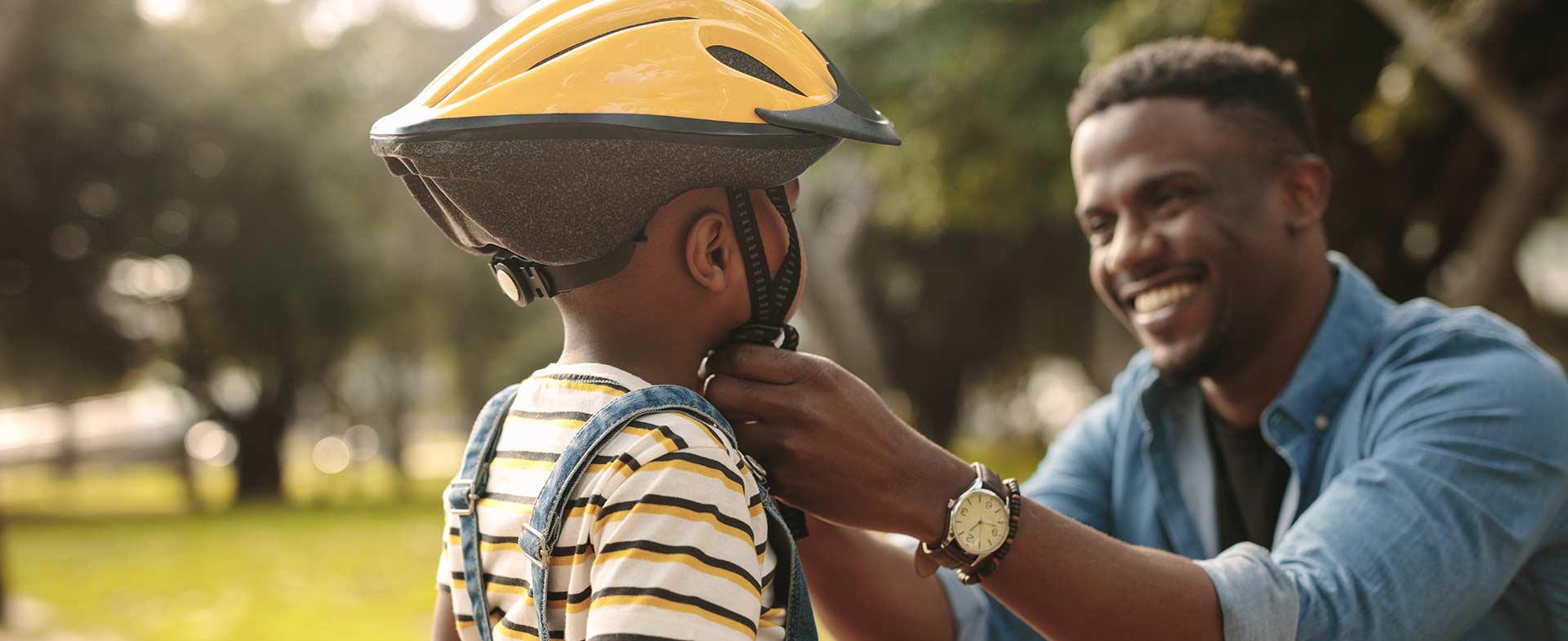
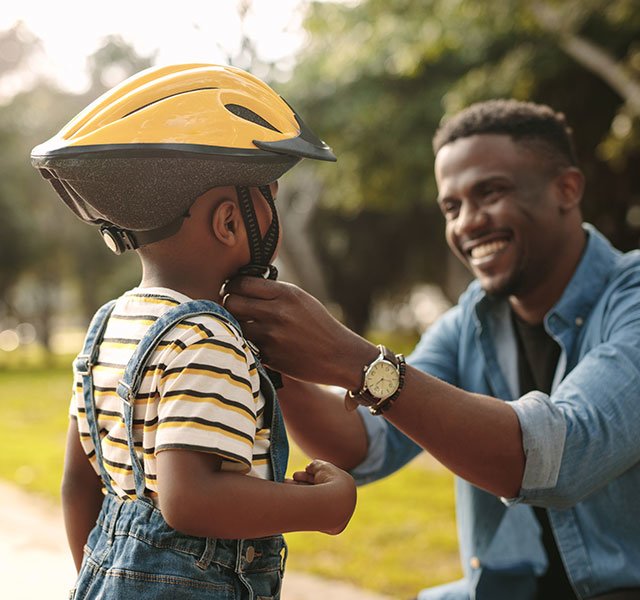
Helmets fit differently depending on the make, style and type of sport they’re made for. "The key is making sure the helmet covers the entire skull and doesn't move around when in use," Dr. Clark says. The helmet should sit on the head without falling forward or backward. If you're relying only on a chinstrap to keep it in place, you don't have the right fit.
3. How comfortable is the helmet?
Not all helmet brands fit every head. Helmet designs vary just like running shoes do. When you're shopping for a helmet, make sure it's snug, but not tight or uncomfortable. Comfort is critical, especially for kids. "We want to encourage kids to wear helmets and that's easier when they are comfortable," Dr. Clark says.

4. What condition is the helmet in?
To get the most protection, your helmet should be in top condition. Do not wear a cracked or broken helmet, or one that has been involved in a crash or similar event (unless it's a multiple-impact design). An impact can crush foam materials. And don't allow the helmet to get too hot or cold — that can cause the materials to break down over time.
Get The Best Helmet Fit For Your Head
Properly wearing a helmet provides the greatest defense against injury — more than any style or brand. To make sure your helmet is secure, follow these rules:
- Measure head circumference: Every helmet brand provides a size chart, along with instructions about how to select the best fit. To get the best measurement, use a cloth tape to measure your head circumference. Place the tape about an inch above the eyebrows, keeping it level from front to back. If the measurement falls between sizes, select the smaller size.
- Pay attention to hairstyles: Make sure to try the helmet on with the hairstyle you'll have during the activity. A long-haired bike rider who gets a short haircut may require a helmet adjustment.
- Watch your vision: The helmet should not block your vision. You should be able to see straight ahead and side to side.
Playing It Safe When A Helmet Is Optional
There are several sports that don't require wearing a helmet. But if you or your child is involved in rugby or soccer, or another sport where helmets are optional, that doesn’t mean you're in the clear.
"Depending upon your medical history, sometimes a helmet may be a good idea," says Dr. Clark. "When in doubt, discuss this with either your primary care or sports medicine physician."
Unsure whether you're at risk of sustaining a head injury? Get a brain health baseline evaluation. Proper consideration of your brain health includes a physical examination, along with a personal and family medical and neurological history. It also offers you an opportunity to learn how to best protect your head.
Reviewed by Christopher Clark, M.D., an emergency medicine physician who sees patients at Henry Ford Hospital and Henry Ford West Bloomfield Hospital.