Summer camp is a rite of passage—a chance for kids to make new friends, learn new skills and have a ton of fun. But parents often stress a little about how their kids will fare away from home.
Whether your child is headed to day camp or preparing to spend the summer at sleepaway camp, you can take steps to boost the odds of a healthy, happy experience. Shalini Sethi, M.D., a pediatrician at Henry Ford Health, shares her advice for a healthy summer camp adventure.
Summer Camp Health Tips
For a good camp experience, the first step is research. “Every kid is different, and it’s important to consider whether a camp will be the right experience for your child,” she says. A kid who hates sports probably won’t love soccer camp. And some kids might thrive in day camps but aren’t quite ready for overnight camps. “It’s important to do the research and consider options that are a good fit for your unique kid,” she adds.
Get to know the camp you’re considering. Are they licensed and well-reviewed? What health and safety procedures do they follow? Are they prepared to care for kids with health conditions like asthma, Type 1 diabetes or allergies to peanuts or other foods?
If your child does have special health considerations, Dr. Sethi recommends creating a health action plan with your pediatrician to share with the camp ahead of time. “For example, an asthma action plan would list your child’s asthma triggers and describe what steps to follow if he starts having an asthma attack,” she says. “Sharing action plans allows camp staff to get familiar with your child’s special health needs and can give you peace of mind that a plan is in place.”
Most camps also request an updated physical exam to make sure campers are healthy enough to participate, Dr. Sethi adds. That’s a great time to make sure all of your child’s vaccines are up to date and talk to your doctor about any concerns you have regarding your child’s health.
Packing and Prepping for Summer Camp Safety
Where kids go, cuts, scrapes and germs are sure to follow. But a little planning can reduce the chance of illness and injury. Here’s what to pack, and what to talk about with your child before they head to camp.
What to pack: infections
Infections like pinkeye, stomach bugs and colds can spread from child to child easily in a crowded cabin. Send them off with some basics that offer protection:
- Hand sanitizer
- Name labels to tag personal belongings
- Flip-flops to wear in the shower (to avoid the spread of fungal infections or plantar warts)
What to talk about before camp
- Don’t share. Remind kids to keep water bottles, towels, hairbrushes and other personal items to themselves to avoid spreading germs.
- Encourage kids to wash hands often with soap and water, especially after using the bathroom and before eating. When a sink isn’t available, reach for hand sanitizer.
- Tell the counselor right away if you feel signs of illness.
What to pack: injuries
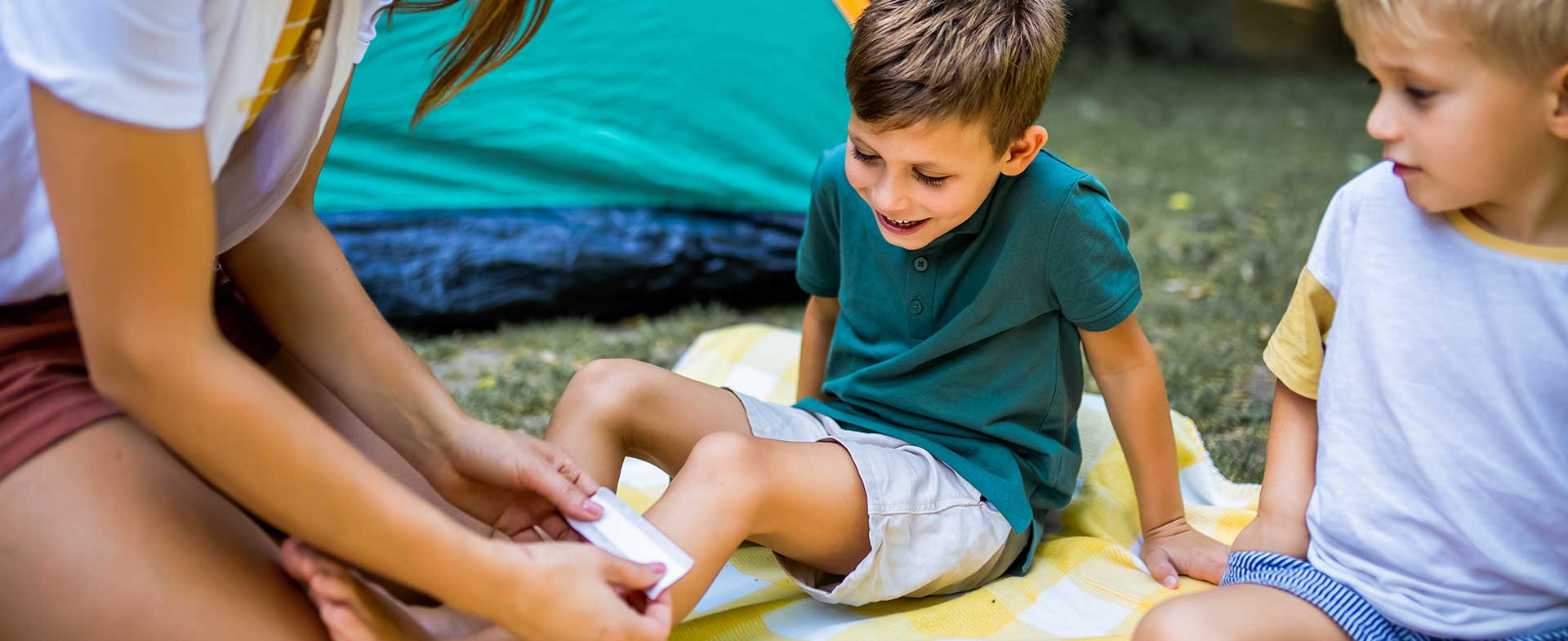
Camp staff are trained to keep kids safe, and most camp injuries are minor. Still, a little planning can reduce the risk. Make sure your child’s camp duffel contains:
- Supportive, well-fitting shoes for daily activities
- Water shoes to protect feet while swimming
- A basic first aid kit with items like bandages and antibiotic ointment
What to talk about before camp
- If your child doesn’t get much exercise and is going to an active camp, consider some preconditioning, Dr. Sethi says. “Start going for walks and doing some light exercise for two weeks before camp starts so they’re ready to run around and be active.”
- Remind your camper to tell a counselor if they get hurt—even if they think it’s no big deal. “You don’t want something small to turn into something big, so encourage your child to keep camp staff informed,” she says.
What to pack: dehydration and heat illness
When kids are running around sweating under the summer sun, it’s easy to get overheated or dehydrated. Make sure your child has a sturdy water bottle that they can keep with them throughout hot, active days.
What to talk about before camp
- Remind your child to carry water with them and sip often to stay hydrated.
- Share the signs of heat illness and encourage your child to speak up if they feel overheated.
- Don’t be afraid to talk about pee, Dr. Sethi says. “Tell your kids that their urine should be pale like lemonade, not dark like apple juice. That’s an easy clue for them to see whether they are drinking enough water,” she adds.
What to pack: bug bites and rashes
Camp and nature often go hand in hand. But you can guard against nature’s worst side. Arm your children with (and teach them to use):
- Bug spray
- Anti-itch ointment or calamine lotion (to soothe itchy skin)
- Gear like long pants and tall socks for hiking in areas where ticks are present
What to talk about before camp
- Help your child learn to recognize plants like poison ivy or poison sumac that can cause skin irritation.
- Teach your child to do a tick check every night. It takes hours for ticks to transmit infections like Lyme disease, so removing ticks quickly is the best way to prevent infections. “Check closely in folds and creases like under the arms and behind the knees,” Dr. Sethi says.
What to pack: sunburns
Spending a day in the sun can be damaging to the skin, no matter your skin tone. Prevention is the best strategy when it comes to sun damage, so pack a summer’s worth of:
- Water-resistant sunscreen
- Aloe vera gel (for soothing minor sunburns)
- Sun protective clothes like hats and long-sleeved rash guards
What to talk about before camp
Remind your kiddo that sunscreen should be reapplied throughout the day, especially after swimming.

Need A Pediatrician?
What to pack: homesickness
Missing home is an all-to-common phenomenon when kids are away, but it usually passes quickly. Here’s how to deal in the meantime:
- Stamps and stationery for sending letters home
- Familiar lovey, like a blanket or stuffed animal
What to talk about before camp
- Explain that homesickness is normal, but that the camp staff is there to make sure kids are safe and cared for.
- Talk about what to expect: Look at photos or videos of the camp and discuss the types of things they’ll be doing each day.
- Don’t promise to pick them up if they get homesick. Experts say that makes kids feel less confident about their ability to cope. Instead, make sure they know that you know they can handle it.
A little planning can go a long way toward making a good camp experience even better. “So many people look back on their camp experiences as the best parts of summer,” Dr. Sethi says.
Reviewed by Shalini Sethi, M.D., a pediatrician at Henry Ford Medical Center – Beck Road in Plymouth.