
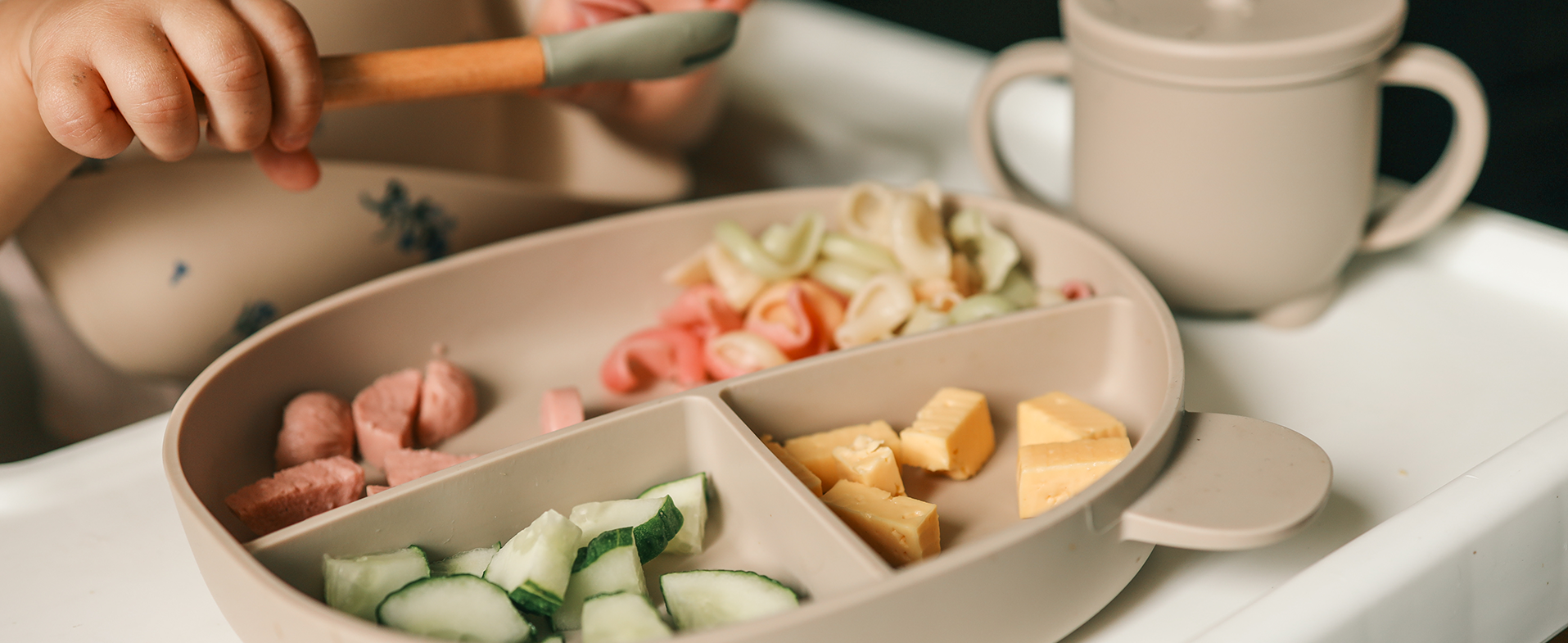
Toddlers can be notoriously picky eaters. Many parents find that their little ones prefer highly palatable, processed foods like crackers and hot dogs to broccoli and grilled chicken.
If you’re struggling to get your child to eat nutritious foods, you’re not alone. Henry Ford Health registered dietitian Allegra Picano, MS, RD, offers realistic strategies to help your toddler get the nutrients they need.
Why Is My Toddler So Picky?
Mealtime battles are enough to make any parent feel frustrated and defeated. But understanding the “why” behind picky eating can help you get through this phase.
“Toddlers are in a developmental stage where they’re gaining independence and seeking control over their environment,” says Picano. “Food becomes one of the primary areas where they can exercise that control. They’re learning to assert themselves and make their own choices.”
As your kiddo flexes this newfound developmental skill, new foods might make them feel uncomfortable. “Think about when you taste a completely new food, even as an adult,” Picano says. “You have to process the flavor and texture, and it’s an unfamiliar experience.”
And for young palates, consistency wins. “Frozen chicken nuggets taste the same every time,” Picano says. “Fruits and vegetables, on the other hand, often have natural variation. As adults, we often enjoy the variety, but for young kids, it may be the opposite.”
So if your little one turns their nose up to those green beans, know that this is normal behavior. And it’s also something they will most likely grow out of.
The Importance of Repeated Exposures
One of the most crucial concepts for picky toddlers is food acceptance. And this process might take longer than you’d expect.
“Research shows it can take 10 to 15 exposures to a new food before a child accepts it,” Picano explains. “But many parents offer a food two or three times, see rejection and give up. That’s understandable, but it’s often too soon.”
“Exposure” doesn’t mean your child has to eat the food. “Simply having it on their plate, seeing you eat it or even just being in the same room with it counts as exposure,” says Picano. “The goal is familiarity, not immediate consumption.”
She recommends a low-pressure approach: “Keep offering nutritious foods like vegetables alongside foods you know they’ll eat. Don’t make a big deal about it. Over weeks and months, many children will eventually accept foods they initially refused.”
This strategy requires patience, but the results are worth it. “I’ve seen many families where a child who wouldn’t touch broccoli at 2 years old is happily eating it at 3 or 4, simply because parents kept offering it without pressure,” Picano says.
 Subscribe To Our E-Newsletter
When Less Nutritious Foods Are Acceptable
Picano emphasizes that context matters. “If your toddler eats a balanced breakfast and lunch but only wants crackers for dinner, that’s different from a child who eats only processed foods, day in and day out. The overall pattern of eating throughout the day and week is more important than any single meal.”
She also points out that “less nutritious” doesn’t mean “no nutrition.” Many foods parents worry about still provide calories, some protein and fortified vitamins. “A child eating buttered noodles is getting carbohydrates for energy and some fat. It’s not ideal, but it’s not nothing,” Picano says.
How Much Should My Toddler Eat?
It’s easy to look at the tiny portions of your 2-year-old and assume they need more. But even a small portion is often enough for little ones.
“For toddlers, a quarter cup of fruit or two tablespoons of ground meat count as one serving,” says Picano. “It’s easy to forget that toddler portions don’t look like those of older kids.”
And don’t compare your child’s plate to those of their cousins or friends. “Every child has slightly different nutritional needs,” Picano says. “Don’t worry about measuring everything they eat. If your child is growing well and has energy, occasional meals of less nutritious foods aren’t going to cause harm.”
If you do have concerns, your child’s pediatrician is a great resource. “Talk about your child’s food and drink intake at well visits,” says Picano. “And don’t be afraid to contact them if you think your child isn’t getting enough nutrients. If needed, they can refer you to a pediatric registered dietitian to provide additional guidance.”
Practical Strategies for Improving Toddler Nutrition
Accepting your toddler’s current eating habits is helpful, but that doesn’t mean you have to stay stuck in this phase. Try these strategies to gently encourage a healthier diet:
- Maintain a consistent meal schedule. “Toddlers do better with routine,” Picano says. “Regular meal and snack times help regulate appetite and reduce grazing on less nutritious foods throughout the day.”
- Create a low-stress eating environment. Pressure, bribing or battles over food often backfire. “When mealtimes become stressful, children may develop negative associations with eating or certain foods,” Picano notes. Instead, offer foods without commentary and let your child decide what and how much to eat from what you provided.
- Include at least one “safe food” at each meal. This ensures your child won’t go hungry while still being exposed to other options. “If you know they’ll eat bread, include bread with the meal. Then they have something familiar while you offer new or less-preferred foods alongside it,” Picano suggests.
- Consider a multivitamin. For persistently picky eaters, Picano often recommends a children’s multivitamin. “It’s not a substitute for whole foods, but it can provide peace of mind and fill nutritional gaps while you continue working on expanding their diet,” she says.
Picky Eating: This Too Shall Pass
“Remember that toddlerhood is a phase,” Picano says. “Most children who are picky eaters at 2 or 3 become more adventurous eaters as they get older, especially if parents continue offering varied foods without pressure.”
The goal isn’t perfection at every meal but rather establishing healthy patterns over time while keeping mealtimes positive. “Your job is to offer nutritious foods regularly and create a pleasant eating environment,” Picano says. “Your toddler’s job is to decide what and how much to eat. When you can accept that division of responsibility, mealtimes become much less stressful for everyone.”
Reviewed by Allegra Picano, MS, RD, a registered dietitian-nutritionist at Henry Ford Health.

