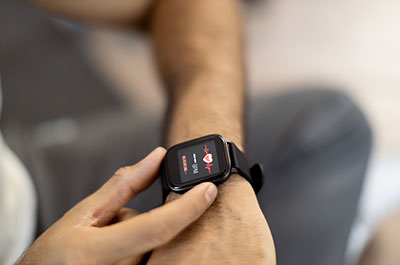
You’ve probably heard of a heart monitor before, but what comes to mind is likely the steady beeping of a hospital heart monitor. The truth is heart monitors aren’t only used to assess someone’s heart rhythm while they are in the hospital. They are also a valuable tool your doctor can use to help diagnose a variety of heart rhythm problems. While these instruments were once a bulky mess of wires, they are now compact and convenient to use.
Often, heart rhythm issues can be evaluated at a doctor’s visit where a careful history, examination and electrocardiogram (EKG) can provide a diagnosis. Common symptoms include:
- Heart palpitations, including racing or skipped heartbeats
- An uncomfortable awareness of heartbeats
- Lightheadedness or passing out
“There are also cases where patients may experience symptoms that don’t happen regularly or at the time of their appointment,” says Nathan Foster, M.D., a cardiac electrophysiologist at Henry Ford Health. “In these cases, we can use heart monitors to get a better understanding of their symptoms over time.”
Common Types of Heart Monitors
Heart monitors are designed to gather data on your heart rate, rhythm, pauses and arrhythmias. This information is then compiled into a report for your doctor. While an office EKG provides an excellent snapshot of your heart rhythm, it is limited to just a few seconds of data. A heart monitor has the advantage of collecting data over longer periods of time.
“Early versions of heart monitors used cassette tapes to monitor heart activity over a 24-48 period – using the tape to record the heart activity,” says Dr. Foster. “Now, heart monitor testing technology is simplified and much more comfortable for patients to wear.”
There are now three different types of monitors used:
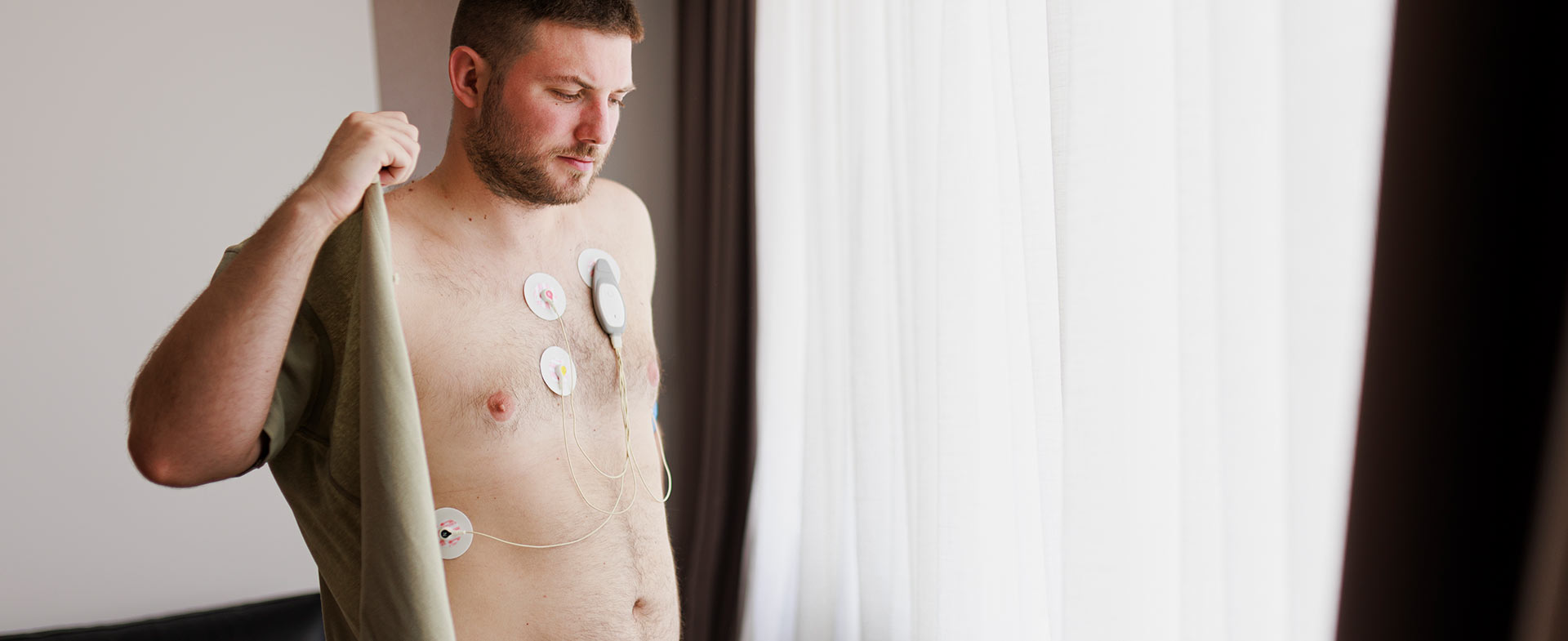
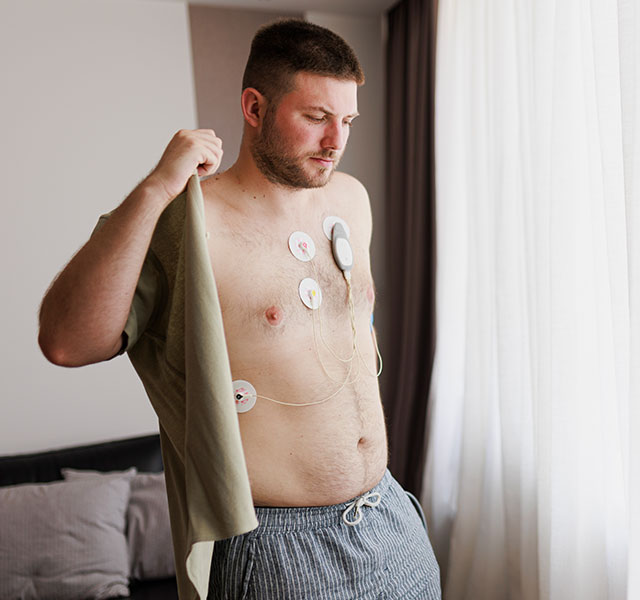
- Holter monitors. This wearable, battery-operated device is used for assessing symptoms that are occurring on a regular basis. These monitors are typically used for 24-48-hour monitoring periods.
- Cardiac event monitors. When symptoms are less frequent, an event recorder can provide an option for monitoring ranging from a few weeks to a month. These devices can automatically detect abnormalities and have an option for recording symptoms as they occur.
- Implantable loop recorders. In cases of infrequent events or when prolonged arrythmia monitoring is needed, an implantable loop recorder may be a solution. This small device is implanted under the skin of your chest and can monitor your heart rhythm for up to three years. In some cases, these devices may be helpful at identifying certain conditions in patients with unexplained strokes.

How Your Provider Assesses Your Need For A Heart Monitor
When you go to the doctor because you are experiencing heart symptoms, the first thing your provider will want to do is get a complete picture of your medical history. From there, it is about defining your palpitations and trying to develop a better understanding of the symptoms you are experiencing.
“We ask questions about how patients might describe their symptoms and try to understand if any activities make the symptoms better or worse – such as laying down or exercising,” says Dr. Foster. “Often times, your doctor may be able to diagnose your condition based on your symptoms and history alone. If a heart monitor is required, then you have many options.”
Reviewed by Dr. Nathan Foster, an electrophysiologist who sees patients in Ferndale, Farmington Hills and Novi.