
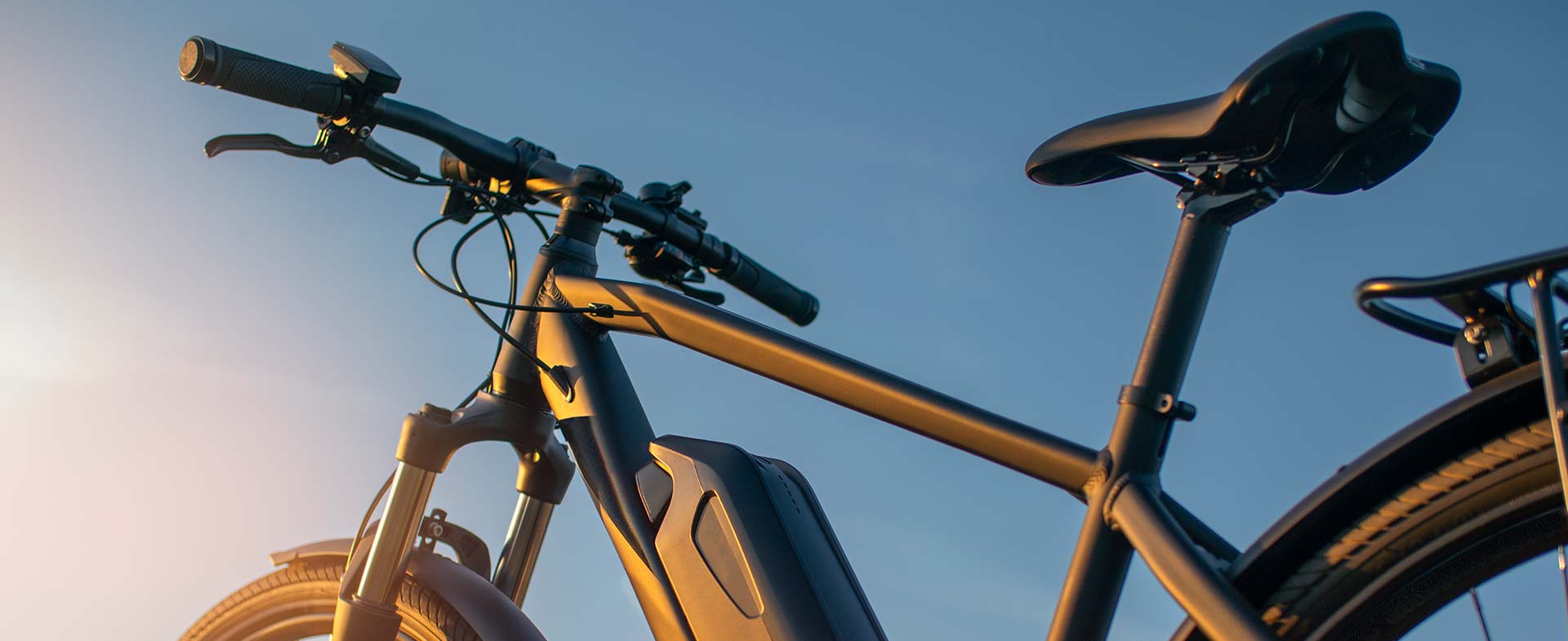
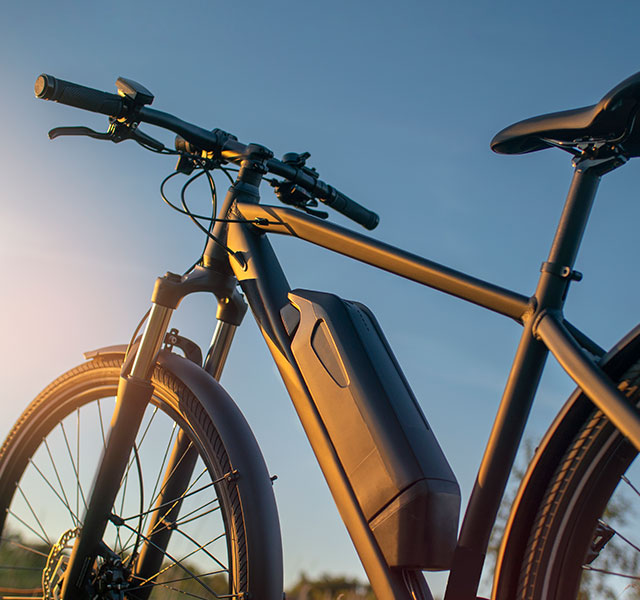
No longer just a trend, electric bikes are everywhere—zipping down city streets and zooming up hilly trails. But as e-bikes become more popular, the rate of related injuries is increasing every year.
Just how risky are e-bikes? Are they safe enough for kids and teens? Peter Vajda, M.D., a pediatric emergency medicine doctor at Henry Ford Health, shares what to know about powered bikes and whether they’re safe for your young rider.
Types of E-Bikes
There are many different types of electric bikes, with different features—and varying risks. “If you’re thinking about an e-bike, you should do your homework,” Dr. Vajda says.
Electric bikes fall into three classes:
- Class 1 e-bikes: These are also known as pedal-assist bikes because the electric motor only kicks in when you’re pedaling. The motor can give you a boost and make pedaling much easier, but it won’t allow you to go more than 20 miles per hour (mph).
- Class 2 e-bikes: These bikes also top out at a maximum speed of 20 mph. But the bike can be operated by motor alone, without pedaling—similar to a motorbike or motorcycle.
- Class 3 e-bikes: These pedal-assist bikes go faster, up to 28 mph.
Rules about riding e-bikes vary from place to place. Some state laws set a minimum age for using any kind of e-bike. Some have passed such laws only for class 3 e-bikes. (In Michigan, for example, class 1 and class 2 e-bikes are allowed at any age, but class 3 riders must be at least 14.)
Understanding E-Bike Risks
As an avid biker, Dr. Vajda says he’s a fan of e-bikes. They can be great for commuters pedaling long distances to work. They can also give riders a boost on hilly terrain, making it more fun to explore new places—especially when riding as a family. “Family members who don’t have as much strength or stamina can use the power assist for a boost up hills so they can keep up with the others,” he says.
But e-bikes aren’t without risks. “Speed is the number one difference when riding e-bikes,” Dr. Vajda says. “If a child doesn’t know how to handle that speed, it can increase the risk that they’ll fall, skid or crash if the bike behaves unexpectedly.”
Bike accidents can cause injuries such as:
- Broken bones
- Concussions or other head injuries
- Facial injuries (such as chipped teeth, broken nose or eye injuries)
- Road rash, cuts and bruises
- Soft-tissue injuries like sprains, strains or torn ligaments
Such injuries can occur with any type of bike, powered or not. But there’s evidence that higher speeds might increase the risk of more serious injuries. In one study, for example, researchers compared accidents between e-bike riders and bicycle riders. They found that the e-bike riders were more likely to experience traumatic brain injuries, even though they were more likely to wear helmets.
Reducing E-Bike Risks
Given the potential risks, e-bikes aren’t for everyone. Dr. Vajda shares his personal advice for families considering whether powered bikes are right for them.
Consider age
In general, Dr. Vajda recommends steering clear of e-bikes until children are at least 13. “Bike riding is a great activity for kids,” he says. “But they should learn the basics of bike riding and the basic rules of the street before graduating from a standard bicycle to an e-bike.”
Assess maturity
Younger teens might be ready for an e-bike—but it depends on the kid. If they have little experience biking, it probably makes more sense to start with a standard bicycle first. If they’re a daredevil, you might want to wait a bit before giving them a power boost.
Consider your child, their responsibility level and how they’re likely to use a bike. Parents should also supervise their children when they start using an e-bike.

Subscribe To Our E-Newsletter
Start small
For teens, Dr. Vajda recommends starting with pedal-assist class 1 bikes. “Some of the powered bikes with a throttle are more like motorcycles than bikes,” he says. “Class 1 bikes provide plenty of extra assist without the extra risk.”
Get the gear
A helmet is a must for bike riders, especially kids and teens. Also make sure kids are properly dressed for biking, including supportive footwear (not flip-flops). “You might also consider elbow and knee pads, especially for young riders who are still learning,” Dr. Vajda says.
Know your basics
Whether your child is riding an e-bike or an old-fashioned muscle-powered bike, it’s important that they learn basic bike safety, including rules for biking on the street. Families should also research local bike laws, including rules around the age and appropriate use of e-bikes. Some communities don’t allow powered bikes on certain trails, for example.
Ask the experts
If you’re in the market for an e-bike, Dr. Vajda recommends visiting a bike shop instead of buying online. Sales staff can help you understand different bike features and make sure you buy a bike that’s a good fit for your rider’s needs.
Bike riding is a fun way to get in shape and can also help reduce the number of cars on city streets, Dr. Vajda says. By taking smart precautions, you can minimize the risks while you and your family enjoy the benefits of moving on two wheels.
Reviewed by Peter Vajda, M.D., a pediatric emergency medicine doctor at Henry Ford Health.

