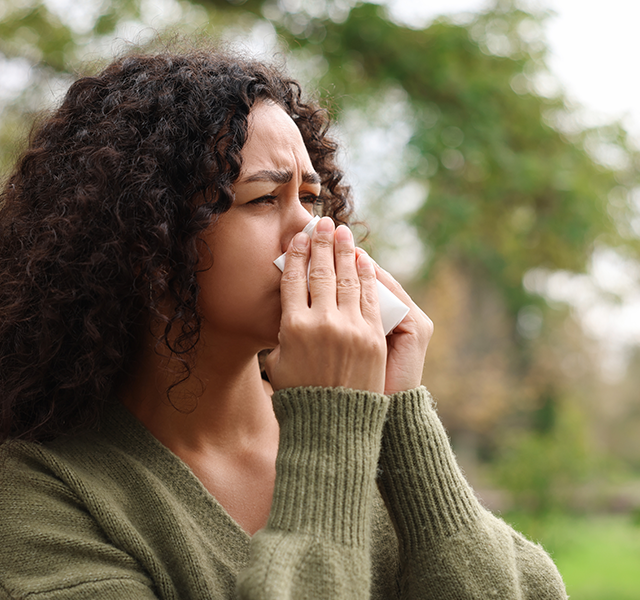
Last spring was a rough one for many people with seasonal allergies. That has lots of people wondering: Just how bad will the sneezing, runny nose and itchy eyes be this fall season?
Unfortunately, signs point to another tough allergy season, says Erica Ridley, M.D., an allergist at Henry Ford Health.
“Because of changes in climate, the weather is warming up earlier in spring and staying warm for longer stretches in the fall,” Dr. Ridley says. “That means longer growing seasons for plants, so we can probably expect a longer allergy season, too.”
Luckily, there are a lot of things a person can do to minimize the impact of pollen and other seasonal allergens. Here’s how to prepare now to get through sneeze season as smoothly as possible.
What Causes Fall Allergies?
Plant pollen is the prime driver of seasonal allergies. Symptoms often peak in the spring when plants first start blooming, then spike again in autumn when the late bloomers release their pollen into the air. Fall allergies are usually caused by weedy plants like the infamous ragweed, which sends out copious amounts of pollen until the first frost.
Pollen isn’t the only fall allergen, however. Mold that collects on fallen leaves can also trigger the allergy symptoms you know and (don’t) love—sneezing, congestion, a tickly throat and watery, itchy eyes.
A longer, warmer fall means both pollen and leaf mold can linger in the air. “In addition, smoke from recent wildfires continues to be a problem in many areas,” Dr. Ridley says. “That wildfire smoke is irritating to the airways. Add allergies on top of that, and it can really worsen symptoms for people.”
For most people, allergies aren’t dangerous—just annoying. But for people with asthma, allergies can trigger asthma attacks. “For those people, it’s especially important to take steps to minimize exposure to pollen and other allergens,” Dr. Ridley says.
How to Prevent Fall Allergies
Allergens are hard to avoid completely, but there are a lot of things you can do to reduce their impact.

- Keep allergens out: As tempting as it is to enjoy the fall breeze, opening windows is like rolling out the red carpet for pollen and leaf mold. Keep windows shut in your home and in your car, Dr. Ridley advises.
- Change it up: “After spending time outside, take a shower and change your clothes to get rid of the pollen you’ve brought inside with you,” Dr. Ridley recommends. She also suggests taking your shoes off at the door so you don’t track allergens throughout your home.
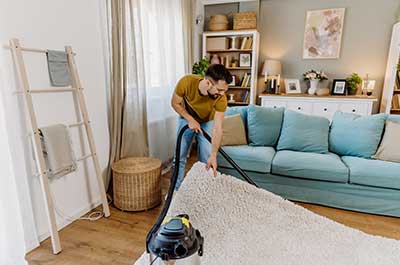
- Use filters: Even when you shut windows and change clothes, tiny pollen grains can sneak inside. “That’s when high-efficiency particulate air filters, also known as HEPA filters, can be really helpful,” Dr. Ridley says. Consider running an air purifier to remove allergens from the air, and regularly run a vacuum equipped with a HEPA filter.
- Rinse your nose: Sinus rinses and neti pots can help flush allergens out of your nose and down the drain. These rinses use sterilized water, not medications, so you can use them as often as you need to.
- Dress for success: If you’re outside raking leaves or working in the garden, a mask can help prevent you from inhaling allergens. Masks designed to protect against viruses, like N95 masks, are your best bet for trapping tiny pollen grains. But standard medical masks can also reduce exposure, Dr. Ridley says. And if you experience a lot of eye symptoms from allergies, wearing goggles when doing yard work can help.
Treating Seasonal Allergies
Still sneezing, despite your best efforts to avoid the onslaught of pollen? Various medications are available to help you find some relief. Dr. Ridley breaks down what to look for.
- Nasal sprays: Over-the-counter nasal allergy sprays are helpful for symptoms such as a runny, stuffy nose and postnasal drip. “Most of these sprays have to be taken for a week or two before they start to work,” Dr. Ridley says. “If you know you suffer from seasonal allergies, I recommend you start taking them before fall allergy season begins.”
- Antihistamine allergy pills: A variety of oral medications are available without a prescription. These tend to work best for symptoms like sneezing and itching.
- Allergy eye drops: These over-the-counter drops can soothe red, itchy, watery eyes.
- Prescription medications: “If over-the-counter medications aren’t helping, ask your primary care doctor or an allergist about prescription medicines,” Dr. Ridley says. Prescription sprays, pills and eye drops can be helpful.
- Allergy shots: Getting regular injections of tiny amounts of allergens can help train your immune system to better fight them, reducing allergy symptoms over time. “Allergy shots are very effective and can be a great option for people who are still suffering after trying other treatments, or for people who don’t like taking medications regularly,” Dr. Ridley says. “Getting the shots is a time commitment, but they offer a more permanent solution for allergies.”
With so many options available, you don’t have to suffer through autumn. “If you’re bothered by allergies, talk to your primary care doctor or an allergist. We can help you find ways to manage,” Dr. Ridley says.
Reviewed by Erica Ridley, M.D., an allergist who sees patients at Henry Ford Medical Center – Fairlane and Henry Ford Medical Center – Livonia.