
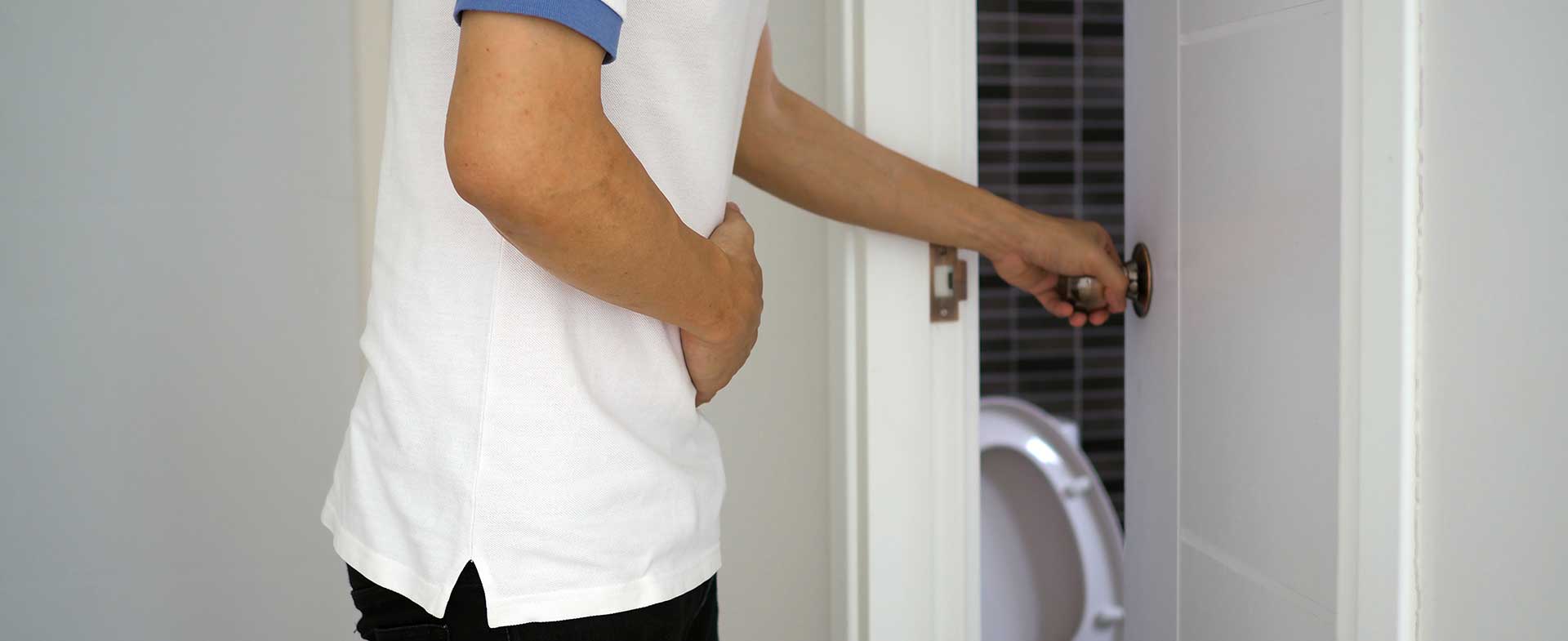
Nearly everyone has some trouble pooping now and again. Traveling, eating different foods or taking a new medication can all throw you off your normal schedule.
But sometimes, not going can become an ongoing issue. “Constipation is incredibly common and affects most of the population at one time or another,” says Susanne Shokoohi, M.D., a gastroenterologist at Henry Ford Health. “If constipation lasts more than a few weeks, it’s time to figure out why.”
How Often Should I Poop?
It’s true that everybody poops. But it’s also true that not everyone poops on the same schedule. “When we define what’s ‘normal’ for bowel movements, it can mean going as much as three times a day or as little as every three days,” says Dr. Shokoohi.
If you know what’s normal for you, then you likely also recognize when that’s changed. Maybe you’re going less often. Maybe you find yourself straining to go or feeling bloated all the time. These are signs that you are now outside of what’s normal for you.
What Causes Chronic Constipation?
There are many reasons why you might not be pooping regularly. Common causes of constipation can include:
- Medications: Taking pain medications (including opioids), weight loss drugs (like GLP-1s), antidepressants, iron supplements and other drugs can increase your risk of constipation.
- Physical conditions: People with diabetes, thyroid disease, neurological conditions (like Parkinson’s or spinal cord injury) and digestive issues (like irritable bowel syndrome) may have difficulty staying regular.
- Lifestyle factors: Not getting enough fiber, water and exercise all contribute to constipation.
When to See Your Doctor About Constipation

Meet With A Gastroenterologist
Although constipation is a common problem, it can sometimes be a symptom of something more serious. “If you are chronically constipated and having any alarming symptoms, you shouldn’t ignore it,” says Dr. Shokoohi.
More serious symptoms you want to bring to your doctor’s attention include:
- Abdominal pain
- Anemia
- Fatigue
- Rectal bleeding
- Unexplained weight loss
Seeing your primary care doctor is a good place to start. If needed, they can refer you to a gastroenterologist who can perform a colonoscopy or other tests to rule out conditions such as irritable bowel syndrome or colorectal cancer.
How to Treat Constipation
It’s generally considered safe to self-treat occasional constipation with over-the-counter medications. These include stool softeners, supplemental fiber and stimulant laxatives.
“Taking these for a couple of weeks to treat occasional constipation is no big deal,” says Dr. Shokoohi. “But if you need them daily, you should talk to your doctor.”
If constipation is the result of an underlying medical issue, your doctor can adjust your medications or prescribe other treatment.
Lifestyle Changes for Constipation Relief
“The first line of defense for treating constipation should be lifestyle changes,” says Dr. Shokoohi. These can be especially important if constipation is the result of a new medication you need to take.
Changes you can make that will have a big impact on your bowel habits include:
- Being more active: “The less you move, the less your colon moves,” says Dr. Shokoohi. Incorporating more physical activity into your daily routine helps keep your digestive system functioning the way it should.
- Eating plenty of fiber: Fiber-rich foods (such as beans, seeds, whole grains, berries and vegetables) help make your poop easier to pass.
- Staying well-hydrated: Drinking lots of water is essential—especially when you’re increasing fiber intake. Before fiber can bulk up your poop, it needs to absorb lots of water. If you’re dehydrated, that extra fiber in your diet can actually make your constipation symptoms worse.
Don’t suffer silently with chronic constipation. Changing up your diet, getting more movement and seeing your doctor for additional testing can help get your digestive system moving more smoothly.
Reviewed by Susanne Shokoohi, M.D., a gastroenterologist who sees patients at Henry Ford Hospital and Henry Ford Medical Center-Royal Oak.

