
Earlier this month, a swine exhibitor at the Kent County Youth Fair in Michigan tested positive for swine flu (variant influenza). It was found that pigs at the fair had swine flu and transferred it to the exhibitor. As of now, there have been no other confirmed human cases in Michigan. So do we have to worry about it spreading?
“The risk to the public is low,” says Anita Shallal, M.D., an infectious disease specialist at Henry Ford Health. “The infected person was in direct contact with pigs. We’re more than 10 days out from when the diagnosis occurred and we haven’t discovered any other cases. I think this is an isolated incident due to animal exposure.”
Here, Dr. Shallal shares what to know about swine flu.
How does swine flu spread?
Dr. Shallal: Swine flu spreads among pigs, and sometimes from pigs to humans. The last swine flu pandemic was in 2009, initially recognized in Veracruz, Mexico, and likely related to persons becoming infected from pigs. As the virus mutated, person-to-person spread increased and became a pandemic, spreading through symptomatic travelers.
Swine flu spreads similarly to how other flu viruses spread: via droplets when an animal or person coughs or sneezes. You can’t get it through food, including consumption of pork products.
How long does it take to develop symptoms after exposed to swine flu?
Dr. Shallal: The incubation period is 10 days, but the average is three.

Primary Care at Henry Ford
Make an appointment and learn about our services.
Read more
Does swine flu cause more serious illness than the seasonal flu?
Dr. Shallal: For most people, swine flu is similar in severity to the flu. Those who are immunocompromised or who have underlying health conditions like diabetes, asthma, heart disease and neurological or neurodevelopmental conditions are at risk for hospitalization.
Children under age 5, people over 65 and pregnant people are also at higher risk of developing a severe illness from swine flu.
What are the symptoms of swine flu?
Dr. Shallal: Symptoms of swine flu are similar to symptoms of the seasonal flu: fever, cough, runny nose, body aches, vomiting and diarrhea.
How can you protect yourself from swine flu?
Dr. Shallal: The most important way to prevent swine flu is by washing your hands frequently. Don’t touch your eyes, nose and mouth, avoid contact with sick people and avoid contact with pigs. If you are visiting livestock, don’t eat or drink in the barns. You can also get your flu shot, as the annual flu shot can offer some level of protection.
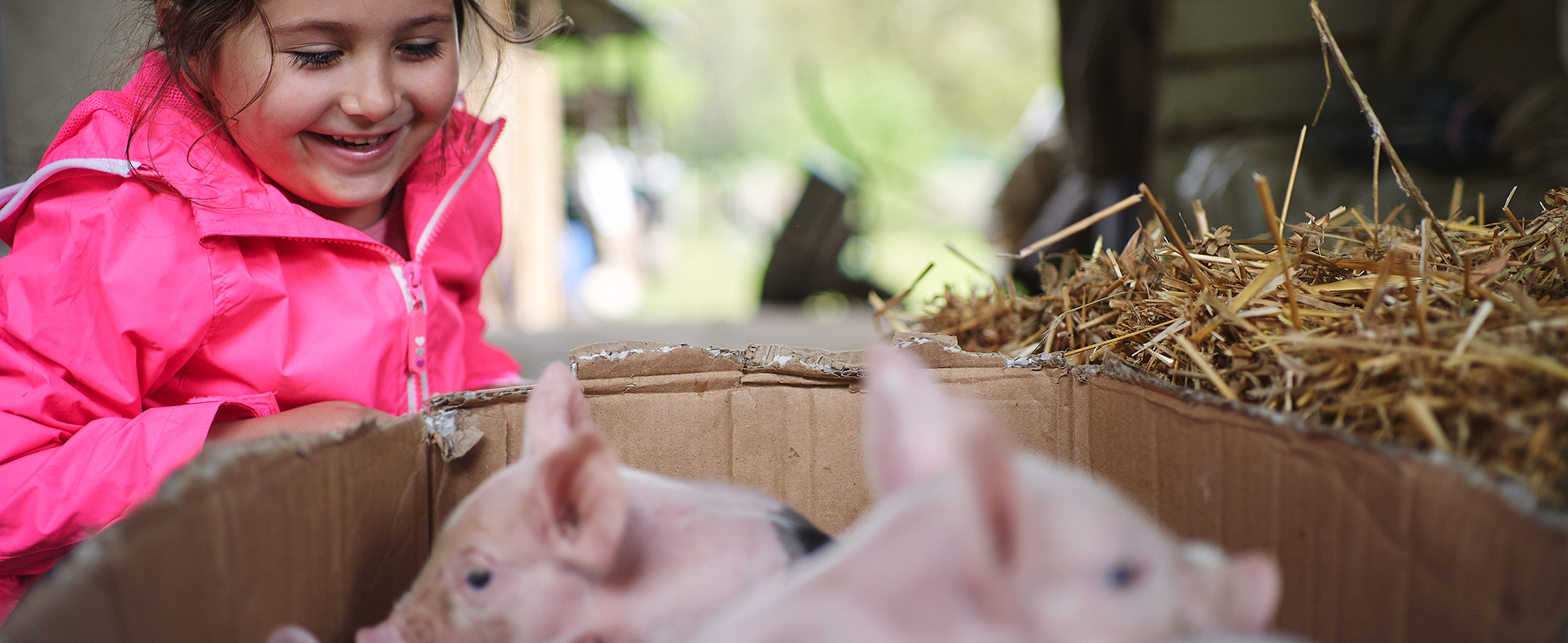
If you choose to take your kids to the petting zoo, make sure they don’t bring toys or pacifiers into that area - those would need to be washed. Have them wash their hands and avoid touching their faces, as well.
What should you do if you think you have swine flu?
Dr. Shallal: Reach out to your primary care doctor and notify them if you have been exposed to symptomatic pigs.
Reviewed by Anita Shallal, M.D., medical director of infection prevention and control at Henry Ford Hospital.

