
Getting a tattoo is an exciting way to express yourself. Whether you have an arm full of ink or are considering your first, make sure to do your homework so that you can take steps to ensure the process is safe and your tattoo stays looking great for years to come.
Here, Natalie Matthews, M.D., a dermatologist at Henry Ford Health, advises on some things to think about before getting your tattoo and how to care of it as it heals.
Things To Consider Before Getting A Tattoo
Think about the long-term commitment
Tattoos are considered permanent. While removal is possible, it is often expensive, time-consuming and may not be effective at completely erasing the tattoo.
Dr. Matthews emphasizes that patients should also understand that tattoos come with some risks, including infection, allergic reactions to tattoo pigments and risk of scarring in some individuals.
Choose a licensed tattoo artist
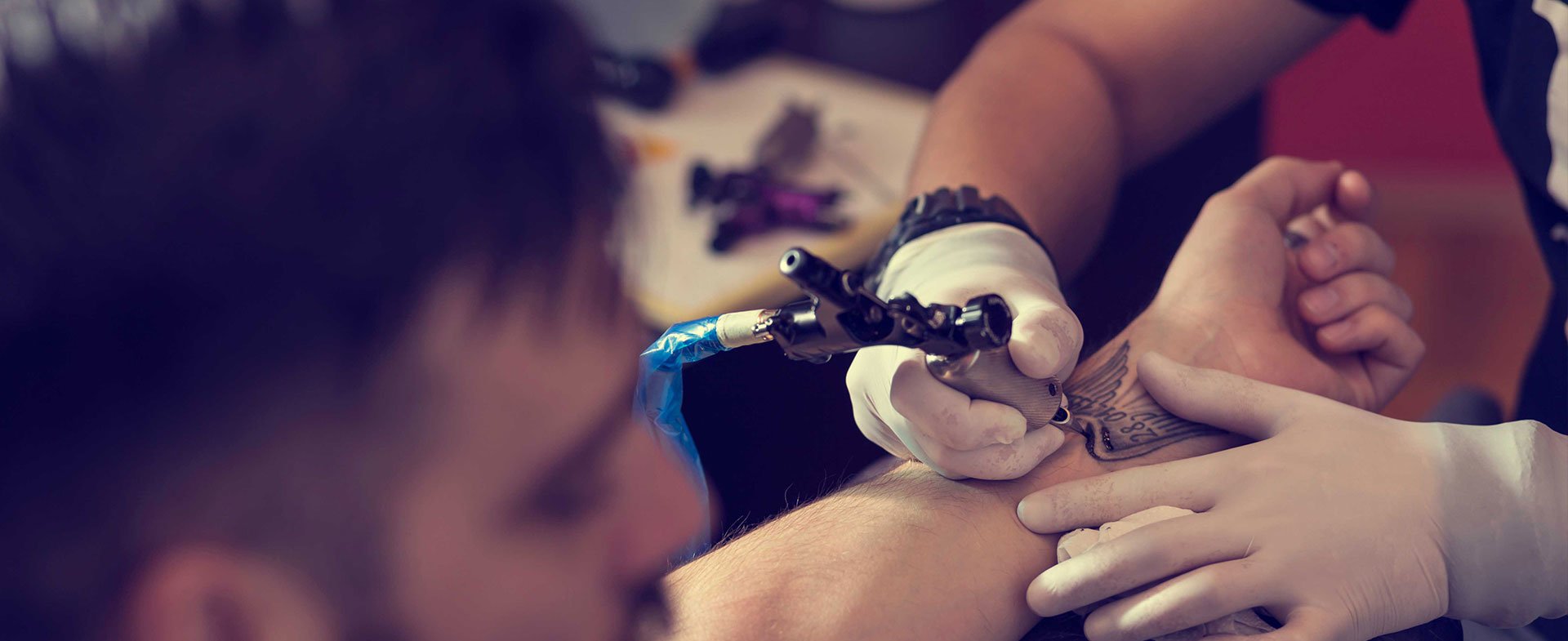
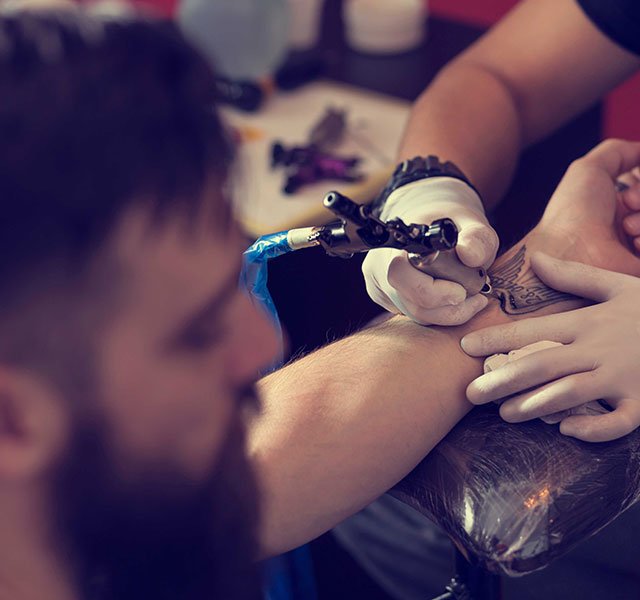
While you’re probably considering a tattoo artist based on their portfolio and artistic abilities, it's important to remember that getting a tattoo is a procedure that involves repeatedly puncturing the skin.
“Think of a tattoo both as an artistic decision and a skin procedure,” states Dr. Matthews. “Choosing a licensed and reputable artist is just as important as choosing the right design.”
Before getting a tattoo, Dr. Matthews encourages patients to do their homework to choose a licensed, reputable tattoo artist who follows strict hygiene and infection-control practices. This means using sterile needles, fresh gloves and properly cleaned equipment at all times.
Consider the placement
Deciding where to get tattoos isn’t just about how much it may or may not hurt or how long it will take to heal – you also have to think about placement related to known health conditions.
"I encourage patients to avoid tattooing over moles or other pigmented spots,” says Dr. Matthews. “Tattoos can make it harder to monitor changes in the skin over time, which may delay the detection of skin cancers such as melanoma."
If you have a history of keloids, be wary of tattooing on keloid-prone areas of the body such as the chest, shoulders and upper back.
Additionally, people with diabetes, poor circulation, or a history of slow wound healing should be particularly cautious about getting tattoos on their lower legs, ankles and feet. Tattoos in these areas may take longer to heal and increase your risk of possible infection if you have any of these health conditions.
Consult with your dermatologist
If you have any underlying skin conditions such as eczema, psoriasis, a history of keloids, or a history of skin cancer, make sure to discuss your plans to get a tattoo with your dermatologist beforehand. These conditions (and any medication that you take to manage them) may affect your immune system – which could impact the tattoo healing process.
Tattoo Aftercare For Best Results
A fresh tattoo should be treated like a wound to the skin – meaning caring for it is important to ensure proper healing and avoid infection. While your tattoo artist can give you more insight on what to expect from the healing process depending on where you got the tattoo, its size and the tattooing methods used, Dr. Matthews encourages patients to follow these tips for optimal healing:
Follow the provided aftercare instructions
Most tattoo artists will provide you with detailed aftercare instructions including when to remove the tattoo’s initial covering and how to properly care for tattooed skin. The goal is to keep this area clean and moisturized while the skin heals.
In general, it is recommended to cleanse the area with soap and water before applying a gentle moisturizer. With any damage to the skin’s barrier, avoid scratching or picking at any irritated or peeling skin during the healing process.
Keep the tattooed area protected
Protecting your tattoo can help avoid additional skin irritation. Important measures must be taken depending on the location of your tattoo to avoid any friction to the area. Opt for loose-fitting clothing and be aware of how sweat or movement may impact your new ink. For tatted areas that are regularly exposed to the sun, be consistent with applying sunscreen (that goes for even after the tattoo is healed as the sun can cause tattoo ink to fade with time).

Dermatology At Henry Ford
Know how to spot signs of infection
Being diligent with your tattoo aftercare should help you avoid infection, but it is best to know when to seek care from your dermatologist. While redness, skin sensitivity, itching and peeling of the skin can be normal during the healing process, seek medical attention if you begin experiencing:
- Spreading redness or swelling
- Worsening pain
- Red streaks around the tattooed area
- Pus or blisters
- A rash or bumps on the skin
- Fever
Reviewed by Natalie Matthews, M.D., M.Phil., a board-certified dermatologist who sees patients at Henry Ford Medical Center – New Center One and Henry Ford Medical Center – Plymouth.

