
Over the last ten to 15 years, joint replacement surgeries have become increasingly popular. As new technology is allowing joint replacements to last longer, people with joint pain are more aggressively seeking out surgery.
But when you get surgery depends upon a variety of factors, like your age, your physiological health, how debilitating your pain is and, of course, your comfort level. If you aren’t yet sure whether surgery is right for you, there are several ways you can lessen your joint pain in the meantime.
“From exercise to holistic therapies and over-the-counter treatments, there are ways to help you feel more comfortable,” says Tammy Krozal, RN, an orthopedic nurse manager at Henry Ford Health. “But whichever changes you decide to implement, it’s best to first work with your doctor to ensure you’re taking the proper steps for you.”
Non-Surgical Ways To Help Relieve Joint Pain
Here, Krozal shares eight non-surgical ways to ease your joint pain.
1. Exercise.
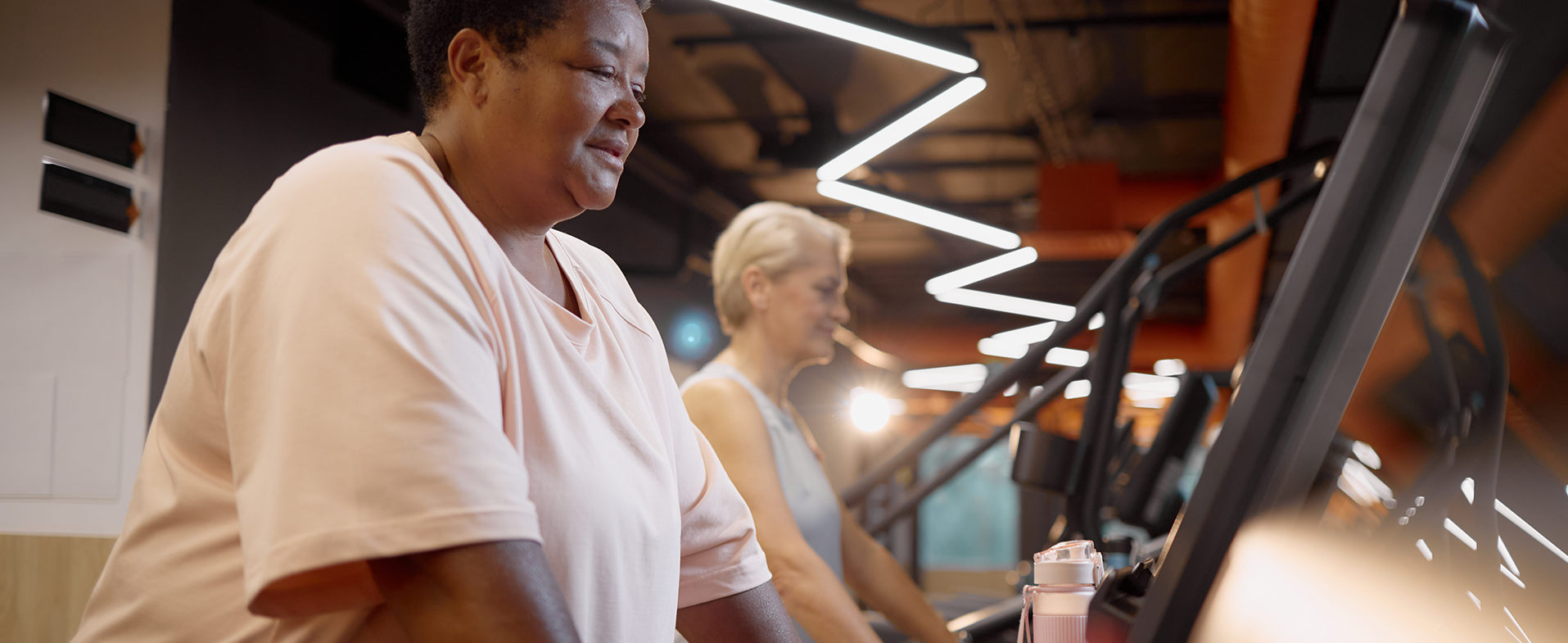
Exercise can be beneficial for joint pain, but if you have chronic arthritis, working out can be hard. “Many people are told to exercise more, but how can they when it hurts to walk?” Krozal says. “Just try moving more. Go slowly and increase your steps daily to increase movement. There are devices like seated ellipticals that can help you ease into it. You can even work out with resistance bands in a seated position.”
If you have an exercise bike or treadmill at home, you could also start off walking for five minutes and work up to longer times. “Give yourself credit,” Krozal says. “You didn’t get the pain overnight, so it will take some time for your body to readjust to moving again.”
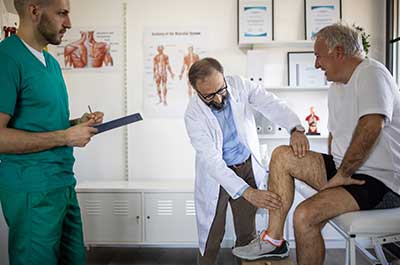
2. Go to physical therapy.
Traditional physical therapy provides therapeutic exercises tailored to managing your joint pain. It often helps to ease symptoms by stabilizing the joint, strengthening and stretching the muscles and helping with balance.
3. Try holistic therapies like therapeutic massage, acupuncture, chiropractic care or magnetic therapy.
Massage therapy helps to reduce pain and stress on the joints. The ancient Chinese technique of acupuncture can also alleviate pain and stiffness. Thin needles are strategically placed on the body, and they react with brain chemicals to reduce pain.
Chiropractic care focuses on corrective alignment of the musculoskeletal system and relieves joint restriction, improves movement and restores balance.
Magnetic therapy also helps relieve pain. “The exact mechanism of how it works is not fully understood, but there is a patented technology that makes some magnets better for health conditions – not the magnets we use on our refrigerators,” Krozal says. “The strength and configuration of the magnetic field has been significantly researched outside of the United States and magnetic therapy has been used for centuries in other cultures.”
 Joint Care At Henry Ford Health
4. Take warm showers in the morning.
The hot water will “warm up” your joints and reduce stiffness. Applying heat and/or cold to the painful joint can also help.
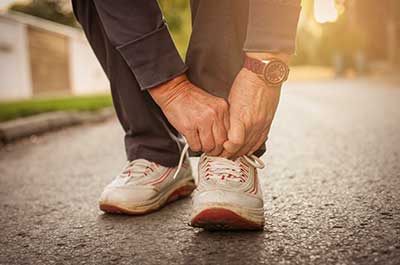
5. Wear supportive shoes.
Look for shoes with cushioning and arch support. “There are recovery sandals, walking shoes and a plethora of brands that are designed to be supportive and help with hip, knee or ankle pain,” Krozal says.
6. Use a walking aid.
Using a cane takes about 50% of the force away from your joints. Hold the cane in the opposite hand of the joint that’s painful. (For people who have joint pain but might not want to use a cane, braces that help stabilize the joint can reduce swelling.)
7. Try over-the-counter or prescription topical creams, lotions, pads, or sprays.
“Topical treatments are absorbed through the skin and can deliver NSAIDs (nonsteroidal anti-inflammatory drugs) or other active ingredients to the joint,” Krozal says. “Topical treatments may have to be used regularly to achieve maximum effectiveness. Use with caution and discuss with your doctor to make sure they won’t irritate any existing skin conditions or cause flare ups if you have sensitive skin. Make sure to wash your hands thoroughly after application so you don’t transfer the topical to other areas of the body that will react more severely, like your eyes, mouth and any cuts or scrapes on the skin.”
8. Lose weight.
A loss of 10 pounds is a loss of pressure on the knees by 50 pounds. If you can reduce that extra pressure on the knees, hopefully it will decrease the pain. “Most of us know when we need to lose weight, and we also know the stress on our joints will decrease when we lose pounds,” Krozal says. “There is never a quick fix. The key to weight loss is exercising more and eating less. You can achieve success by starting slowly with exercise and making dietary changes slowly, as well. Work smarter and not harder to achieve a successful balance to improve your joint pain now and ensure your success when you do have surgery.”
Reviewed by Tammy Krozal, RN, BSN, MBA, an orthopedic nurse manager at Henry Ford Hospital in Detroit.