upplements are a multi-billion-dollar industry in the United States. A trip through any pharmacy or grocery store reveals hundreds of supplements promising all sorts of health benefits.
Among these, you’ll likely find licorice root, also known by its scientific name, glycyrrhiza glabra (sweet root). Its current popularity stems from its potential to ease inflammation and improve digestive issues.
“Licorice root supplements have been used for many years in Ayurvedic and Chinese medicine,” says Shalini Modi, M.D., a cardiologist at Henry Ford Health. “But it can cause serious side effects for people with high blood pressure and other heart conditions.”
What Is Licorice Root?
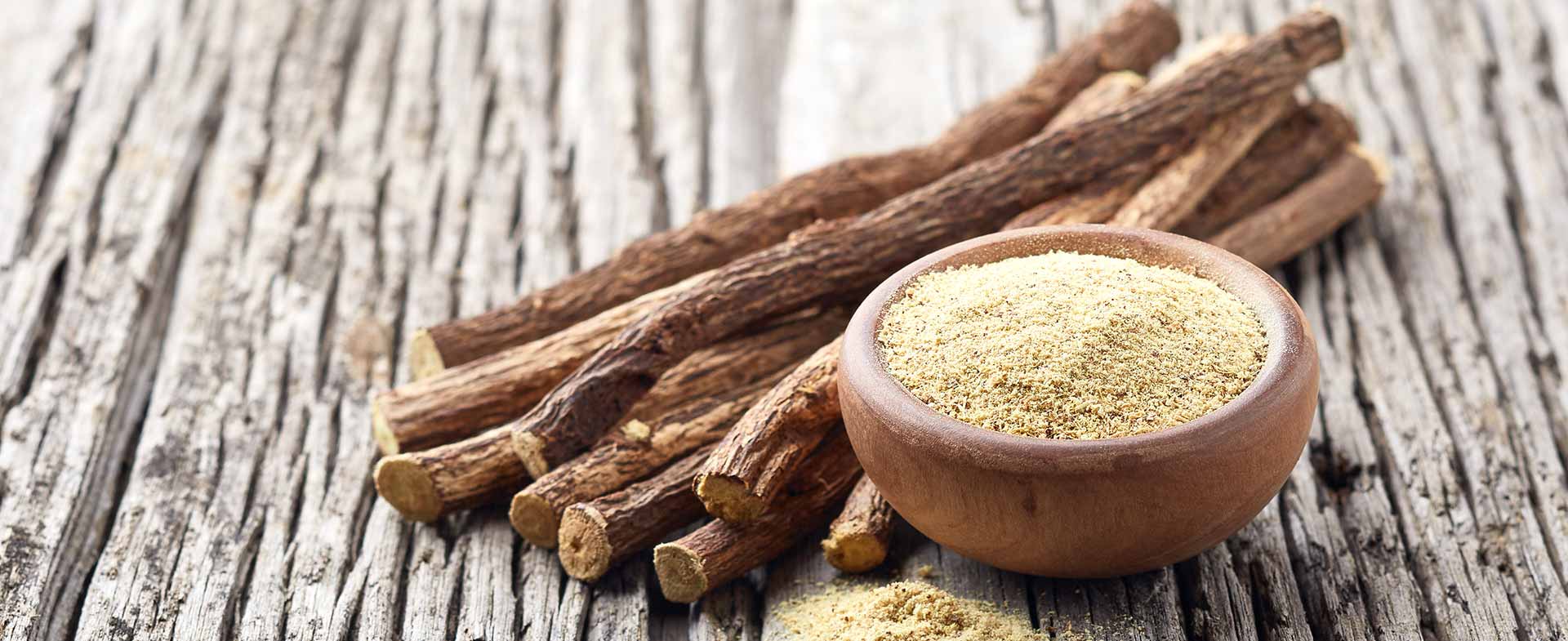
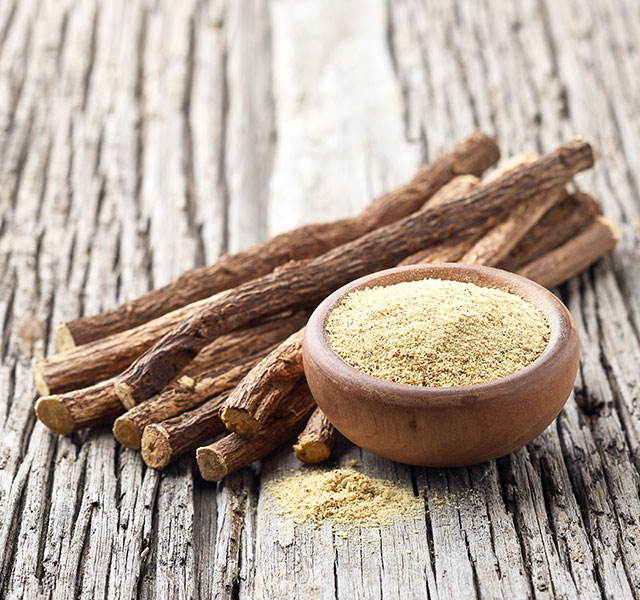
Licorice is an herb. The root of the plant is typically used in supplements. Some authentic black licorice candies also use the root as a main ingredient. But most licorice candies sold in the US use anise oil to provide the same black licorice flavor.
The licorice plant root contains a compound called glycyrrhiza, which is the active ingredient in most supplements labeled as licorice root. You’ll find it in topical creams, mouth rinses, pills and teas.
What Are the Benefits of Licorice Root?
It’s important to note that, while licorice root has been used in traditional medicine for a long time, it has not been widely studied. “None of the supposed benefits have been validated in scientific, clinical trials,” says Dr. Modi. Most evidence of benefits is either anecdotal or comes from small, less rigorous studies.
Despite the of lack of strong evidence, many believe the supplement can have some health benefits. These include:
- Anti-inflammatory effect
- Canker sore healing (when used as a mouth rinse)
- Eczema relief (when applied to the skin)
- Reduction in GERD and acid reflux symptoms
Dr. Modi urges caution when taking licorice root or any other dietary supplements, because they are not tightly regulated by the FDA. “No matter how positive the benefits may sound, remember that marketing a product is not the same as having scientific evidence,” she says. “Your doctor isn’t a marketer, so they use evidence-based medicine.”
How Does Licorice Root Affect Blood Pressure?

The effectiveness of licorice root supplements for other health conditions is still up for debate. But there is strong evidence on the potentially serious side effects licorice root can have for those with high blood pressure.
“The main component, glycyrrhizic acid, is what causes mischief that affects the blood pressure,” explains Dr. Modi. “It blocks an enzyme in the kidney, mimicking an excess of aldosterone hormone.” Because it makes the body think aldosterone levels are high, blood pressures increases and potassium levels decrease. “That can make it difficult to control high blood pressure, even if you’re on medication.”
One study found that taking just 100 milligrams of glycyrrhizic acid per day can significantly raise blood pressure. “And with long-term use, it can build up in the system,” warns Dr. Modi.
Should I Avoid Licorice Root if I Have High Blood Pressure?
“I would tell my patients with high blood pressure or other heart conditions that they absolutely should not take licorice root,” says Dr. Modi. “It leads to elevated, uncontrolled blood pressure and potentially dangerously low potassium levels.”
People with arrhythmias (especially those with a low heart rate) should also avoid licorice root supplements. “Low potassium levels can slow your heart rhythm to dangerous levels,” she says.
Even if you don’t have high blood pressure or other cardiac issues, it’s important to talk to your doctor before trying licorice root supplements. “Your doctor needs to know about any supplements you’re taking or plan to take,” says Dr. Modi. They can help you understand potential risks and how the supplements may interact with other medications you’re taking.
Reviewed Shalini Modi, M.D., a cardiologist who sees patients at Henry Ford Cardiovascular Medicine, West Bloomfield Hospital.