For years, sweet, fruity-flavored vapes have not been authorized by the U.S. Food and Drug Administration (FDA). And while you could still find dessert-like flavors for sale at some vape shops or online, none of those products are technically approved to be on the market.
“Some are on the market illegally, but there hasn’t been good enforcement of taking them off store shelves,” says Amanda L. Holm, MPH, who manages the Tobacco Treatment Service at Henry Ford Health.
That changed this year when the FDA granted an “approved for market” designation to four flavors of vapes (mango, blueberry and two types of menthol) sold by a company called Glas Inc. The news has gotten both proponents and critics of e-cigarettes buzzing.
What Are Fruit-Flavored E-cigarettes?
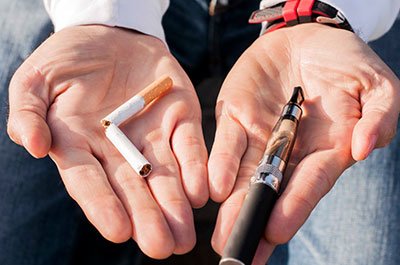
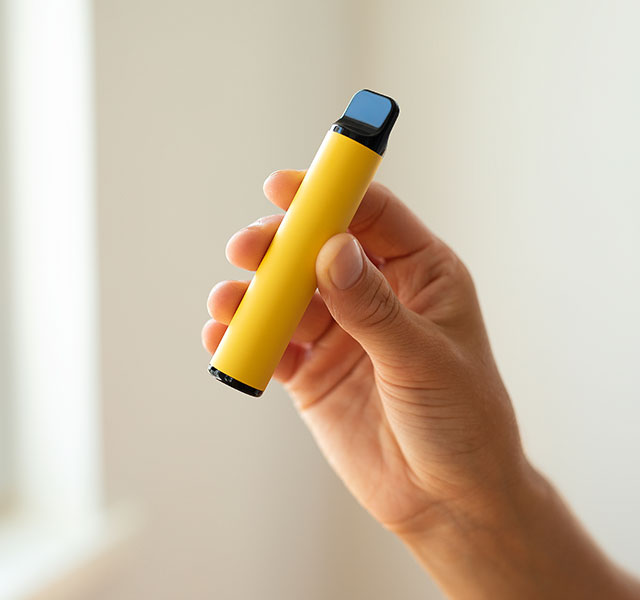
Electronic cigarettes (e-cigarettes), also called vapes, are smokeless, battery-powered devices that heat liquid until it turns into an aerosol that the user inhales. Vape pens or e-cigarettes use pods or cartridges to hold the liquid. The liquid typically contains nicotine along with a variety of other chemicals, heavy metals and flavorings.
Fruit-flavored vapes add inviting flavors to the mix, creating a product that tastes more like eating dessert than smoking a cigarette.
Why Did the FDA Approve Fruit-Flavored Vapes?
Proponents of e-cigarettes have long maintained that the products help people stop smoking. “But none of these products are approved as quitting devices,” says Holm. “And there isn’t strong evidence to prove that they are safe and effective for quitting.”
The FDA calls these electronic nicotine delivery systems (ENDS) a “less harmful alternative for smokers” because they don’t involve smoke made by burning tobacco. And their approval of the fruit- and menthol-flavored vapes was contingent on the company’s use of so-called “age-gating” technology.
This technology requires the e-cigarette user to pair the vaping device with their smartphone. The app then verifies the user’s age using a government-issued driver’s license or ID. Once you’ve registered your vaping device, it won’t work unless it’s paired with your phone.
The Dangers of Flavored E-cigarettes

Henry Ford Tobacco Treatment Services
“It’s a big change to the landscape that they’ve approved these fruity flavors, and it’s a disappointment from a public health standpoint,” says Holm. “Do we really want a highly addictive drug like nicotine to be so enticing?”
People like to think that e-cigarettes are safer than regular cigarettes. And it’s true that trading combustible cigarettes for vapes does spare your lungs from exposure to tobacco smoke, with its dozens of known carcinogens. Holm emphasizes that this is true only if you switch over completely. “Anyone using both products is still at higher risk for diseases associated with smoking,” she says.
E-cigarettes do deliver just as much—and in some cases even more—nicotine. According to the World Health Organization, 86 million adults and 15 million teens worldwide use e-cigarettes. That is fueling high levels of nicotine addiction.
“Nicotine is highly addictive and people who use it regularly develop a tolerance for it,” explains Holm. “Over time, they need more of it just to maintain a normal mood and mental equilibrium and stave off withdrawal symptoms.”
The FDA expressed confidence in the age-gating system for the newly approved fruity and menthol vapes. But addiction specialists worry these products will still make it into the hands of children and teens. “Getting a flavor hit along with a nicotine buzz is going to be appealing to both adults and young people,” says Holm.
If You Want to Quit Smoking or Vaping
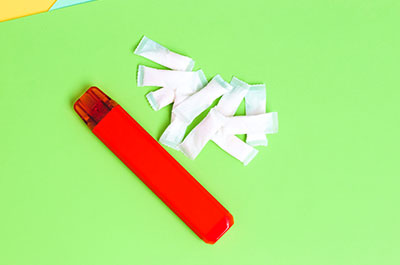
Getting off any type of nicotine product is a healthy choice. But quitting an addictive drug isn’t easy. Holm recommends talking to your doctor about effective quitting strategies. These might include gums, patches, lozenges and nasal sprays that deliver smaller doses of slowly absorbed nicotine.
A tobacco or nicotine treatment program is also a great place to turn. It can help you quit by providing support from both treatment specialists and your peers.
“I don’t recommend turning to flavored e-cigarettes to help you quit,” Holm says. “You may just be swapping one addiction for another.”
Reviewed by Amanda L. Holm, MPH, who manages the Tobacco Treatment Service at Henry Ford Health.