While everyone has their own genetic risk level for developing cancer, it’s well-known that certain factors in our environment also contribute to the development of cancer. There are other things, however, that are loosely linked with – but not proven – to cause the disease.
Here, Adam Forman, M.D., a medical oncologist at Henry Ford Health, shares what we know causes cancer, what may cause cancer in high quantities, and what factors—at this point, at least—have no conclusive evidence as being carcinogenic.
Factors Proven To Cause Cancer
1. Cigarette smoke
“Smoking doesn’t just cause lung cancer—it can also lead to throat cancer, esophagus cancer, bladder cancer and more,” says Dr. Forman. “Toxins from smoke travel through the bloodstream and are excreted through urine and bile. Smoking can cause cancer almost anywhere in the body. It’s not just tobacco that’s carcinogenic. Toxins also come from burning organic material and inhaling it.”
2. Ultraviolet rays
“Whether from the sun or tanning booth, ultraviolet rays cause cancer,” says Dr. Forman. “Melanoma is one of the fastest-growing cancers. When you go outside, wear sun-protective clothing, sunscreen and hats.”
3. Preserved meats
“I call cold cuts and hot dogs ‘franken-meats’ because they’re meats that died many months ago but are still edible,” says Dr. Forman. “It’s not just the nitrates and preservatives that cause cancer (specifically colon cancer) but the chemicals that develop when the meat is being preserved.”
4. Charred meat
“A bit of burn on a piece of toast isn’t really a threat, but if you burn fats, like on a piece of steak, that’s a different story,” Dr. Forman says. “It turns into carcinogenic chemicals.”
5. Excess body weight
“Fatty tissue is a major source of estrogen, and breast cancer is associated with estrogen exposure,” says Dr. Forman. There’s also an increased risk of colon cancer with increased weight, he adds, but that might be related to why you’re overweight (i.e., what you’re eating) not because you’re overweight.
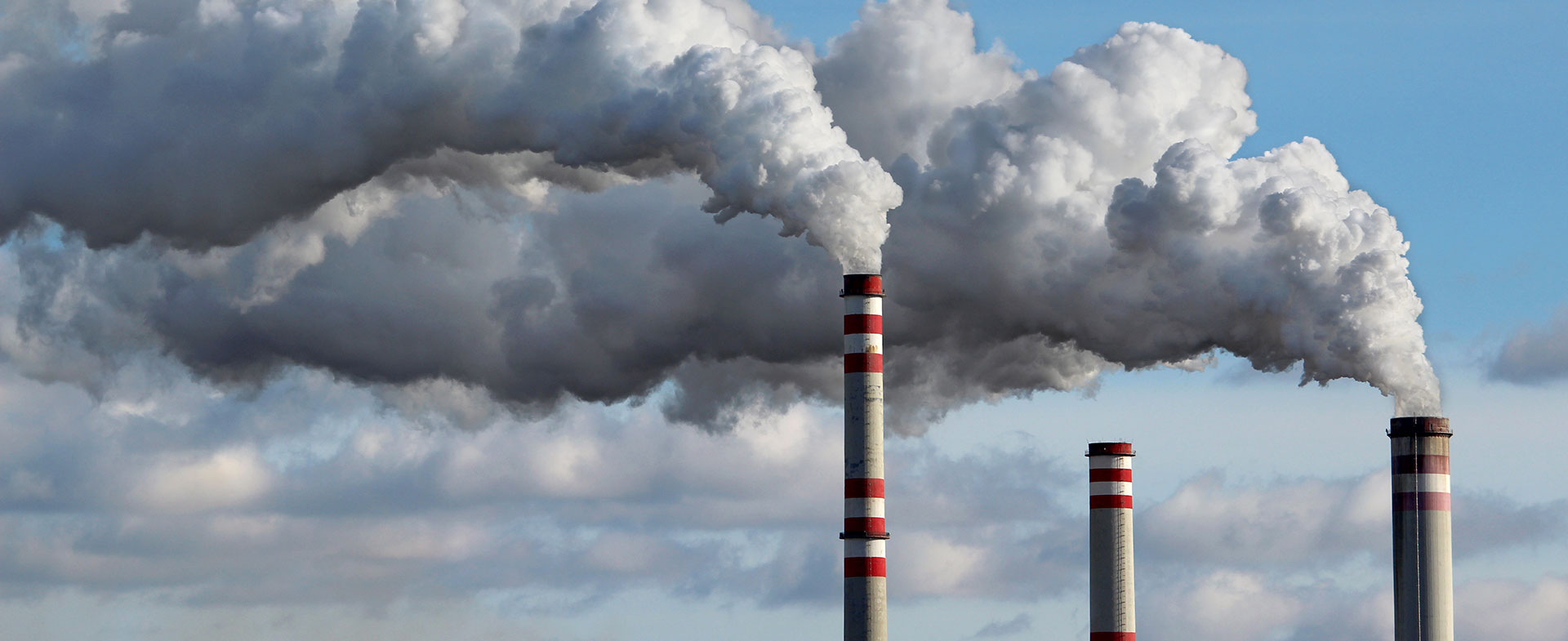
6. Pollution
“Hydrocarbons from fuel combustion are clearly associated with lymphoma and leukemia,” says Dr. Forman. “Unless you can go back to the 18th century, pollution is almost impossible to avoid. Social activism is most important for this one--support the people who try to support the environment.”
7. Alcohol
It’s not just binge drinking that can raise your risk for cancer: research shows less than one alcoholic drink per day can increase your risk for certain cancers like breast, mouth and throat cancers. And more than that is linked to colorectal cancer, esophageal cancer and liver cancer. After tobacco and obesity, alcohol is the third leading preventable cause of cancer in the United States. Your best bet? If you drink alcohol, keep it for special occasions instead of a weekly ritual.
Factors That May Cause Cancer In High Quantities
1. PFAS
PFAS are commonly known as “forever chemicals” because they don’t degrade easily. They’re in everything from non-stick cookware to cleaning and personal care products, stain- and water-resistant fabrics, product packaging and even dental floss. Because PFAS are so prevalent, they’re also found in the soil, water and air – and the bloodstreams of humans and animals.
They’ve been linked to a variety of health problems like cancer, reproductive issues and developmental delays in children, but it’s likely that those exposed to PFAS in higher quantities – such as people who work in chemical plants where products containing PFAs are made – are at highest risk. If you are unsure whether a particular item contains PFAS, certain websites can help you determine the likelihood of PFAS exposure.
2. Artificial sweeteners
“There are a lot of animal studies that show a correlation between artificial sweeteners and cancer, but there’s no clear human correlation,” says Dr. Forman. “The problem with animal studies is that you can’t correlate the dose well. In other words, we may not be exposed to the same high levels of doses that animals are. Just minimize your exposure to them.”
 Cancer Care at Henry Ford Health
3. Pesticides
“If you’re a farmer inhaling pesticides while spreading them on your crops, it’s more likely that you’ll develop cancer,” says Dr. Forman. “But there’s no conclusive evidence that residual pesticides from fruits and vegetables cause cancer. Nevertheless, wash them well before eating. It’s difficult to say everyone should be eating organic, because that's limiting. If you’re able to buy organic, go ahead, but I don’t think that’s the only type of food you can eat.”
Factors That Haven’t Been Proven To Cause Cancer
1. Genetically Modified Organisms (GMOs)
When food has been genetically modified, genes from one species have been inserted into another species to create a better product. There’s a theory that changing the DNA of a particular food can increase someone’s cancer risk, but Dr. Forman says there is no proof. “Just because I don’t have proof right now doesn’t mean I won’t find out later that it doesn’t cause cancer,” he says. “Absence of proof is not proof of absence.”
2. Microwaves
“There aren’t any studies that correlate microwaves with cancer,” Dr. Forman says. “The food you cook in the microwave isn’t associated with cancer, having a microwave in the house is not associated with cancer. Don’t use a microwave that looks defective, don’t stand too close to the machine. As long as you’re using it appropriately, it should be fine.”
3. Cell phones
“Cell phones have been studied very widely,” says Dr. Forman. “At the present time, there’s no correlation between radio frequency waves from cell phones and brain tumors.”
4. Wireless headphones
While we’re at it, there isn’t a correlation between AirPods – or any other wireless headphones – and cancer, either. Myths have been circulating online that the radiation used in Bluetooth technology could cause brain tumors, but the radiation in wireless headphones is even significantly less than what's used in cellphones and X-rays.
5. Aluminum antiperspirant
There’s a difference between antiperspirant and deodorant: antiperspirant contains aluminum to prevent pores from releasing sweat, while deodorant masks body odor. Aluminum antiperspirant has come under fire for potentially causing breast cancer, but the evidence is inconclusive. “Avoid antiperspirant if you can, but I can’t say definitively that you shouldn’t use it,” Dr. Forman says.
At the end of the day, leading an overall healthy lifestyle—eating plenty of fruits and vegetables, exercising regularly, getting enough sleep, decreasing stress—is important. While we can’t control everything in our environment, these are some habits we can control to promote a healthy mind and body.
Reviewed by Adam Forman, M.D., a medical oncologist who sees patients at Henry Ford Cancer Multidisciplinary Clinic - Foster Winter Dr and Henry Ford Cancer Multidisciplinary Clinic - Novi.