Age-related hearing loss and dementia are both common conditions later in life. Nearly two-thirds of adults over 70 in the United States—as many as 21.5 million people—are living with hearing loss. At the same time, an estimated 6.7 million older adults have Alzheimer’s disease.
Often, those conditions overlap—sometimes in confusing ways. Hearing problems might be misdiagnosed as worsening dementia symptoms, but there is also evidence that hearing and brain health are related.
“Getting hearing aids is one more tool in the toolbox you can use to help keep your brain healthy,” says Erica Bennett, Au.D., Ph.D., an audiologist at Henry Ford Health.
Here’s why it’s so important not to ignore signs of a hearing problem.
Signs of Hearing Loss in People With Cognitive Decline
Hearing loss can develop and worsen gradually, so people don’t always realize they are missing things. When someone has dementia or symptoms of cognitive decline, it might be even harder for them to recognize—or tell you about—their hearing loss. But there are signs to look for in a family member with dementia.
“The most obvious clue is often that someone is listening to the TV at louder volumes,” Dr. Bennett says. Another warning sign is that they ask “what?” more often.
\“We tend to lose hearing in higher pitches first, and those pitches give us clarity of sound, while low pitches give the volume,” she says. “When people start to lose their hearing, they can hear you said something—but can’t understand what it was that you said.”
The easiest way to know for sure if there’s hearing loss? Get tested.
Dr. Bennett suggests using a simple online hearing screening to see if you or a loved one might need a professional hearing test. Regardless of the results, she recommends older adults get their hearing tested by an audiologist every two or three years. Audiologists can also help to diagnose hearing loss in people with dementia who might have trouble completing the online screening.
Hearing Loss, Alzheimer’s Disease and Cognitive Impairment
In the hearing population, sound is a big part of how people interact with the world around them. When you can’t hear well, you start to miss things. Unfortunately, it isn’t always clear if the confusion is related to hearing loss, or if it might be a sign of cognitive decline.
Some research suggests that the two are often associated. But it’s also possible that hearing problems are making someone’s cognitive health appear worse than it actually is. “If you can’t hear what people are asking when you take the cognitive tests, you’ll perform more poorly than people who can hear well,” Dr. Bennett adds.
At a minimum, hearing aids make it more likely that those cognitive tests provide a true picture of your brain health. And best-case scenario? They may help you stay sharp.
How Hearing Problems Affect Brain Health
Human speech, chirping birds, the hum of traffic—processing all the sounds around us takes a lot of brain power. Some researchers have proposed that the constant stimulation of our auditory system might act like a workout for the brain, helping it stay healthy. “Keeping your brain active is good for overall brain health and for preventing cognitive decline,” Dr. Bennett says.
What’s more, hearing and communication go hand in hand. People with hearing loss are more likely to struggle with communication and avoid social interactions. A lack of social connection is known to increase the risk of health problems, including cognitive decline and dementia. “We know that being isolated, not being engaged in the community around you, has the potential to have a substantial impact on emotional health,” Dr. Bennett says.
The Benefits of Hearing Aids

Hearing aids are a great option for most people with age-related hearing loss. In addition to supporting brain health, hearing aids can improve balance, enhance safety and improve people’s ability to communicate—and to enjoy the people and things that surround them. But a lot of people who could benefit from hearing aids aren’t using them.
“There are a lot of misconceptions about hearing aids. People think about what their grandparents had—they were big and bulky and they squealed all the time,” Dr. Bennett says.
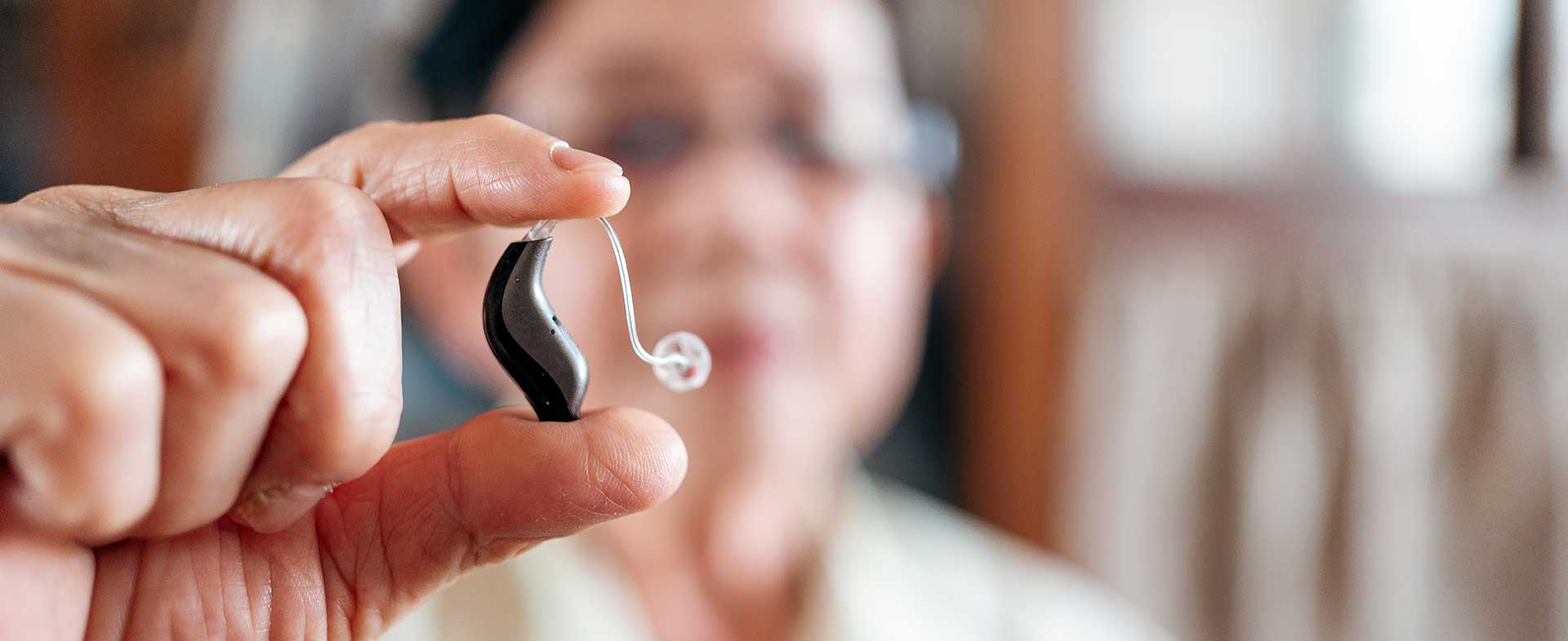
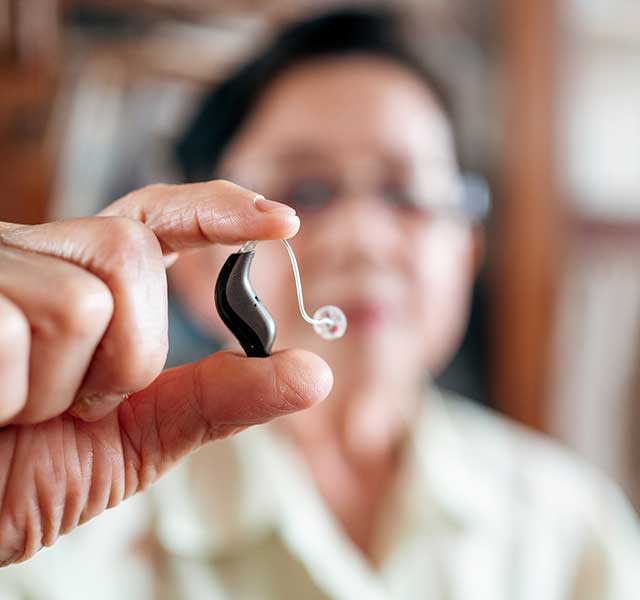
Today’s models weigh about as much as a paper clip. Some offer all sorts of high-tech options, like the ability to connect to your smartphone or TV. Others are basic, no-frills versions that can be a better choice for people who might struggle with complicated apps—including many people who are managing cognitive decline.
Whether you choose a simple option or something with all the bells and whistles, the best time to get hearing aids is as soon as you realize you need them. “The earlier that people get hearing aids, the more likely they are to adapt to using them in their daily life,” Dr. Bennett says. “That’s true for people in the general population as well as people with cognitive impairments.”
Reviewed by Erica Bennett, Au.D., Ph.D., an audiologist who sees patients at Henry Ford Hospital and Henry Ford Medical Center-Fairlane.