
People being treated for cancer often brace themselves for well-known side effects of chemotherapy like nausea and hair loss. But many are caught off guard by another set of common side effects: muddled thinking, forgetfulness and problems with focus.
“Many of the chemotherapy medications used to treat cancer cause cancer-related cognitive impairment, or what is commonly known as ‘chemo brain,’” says Zeyiad Elias, DAOM, LAc, a doctor of acupuncture and oriental medicine specializing in oncology at the Henry Ford Cancer Institute.
Unfortunately, there are no medications to treat chemo brain. But some integrative treatments may help.
What Is Cancer-Related Cognitive Impairment?
Many people with cancer report changes in their thinking, memory and ability to concentrate. It might take longer to finish tasks that used to come easily. Details like names and dates are stuck on the tip of your tongue. And multitasking becomes impossible.
There might be multiple causes, Dr. Elias says. A cancer diagnosis is stressful, which can lead to sleepless nights. Both stress and lack of sleep can affect things like focus and memory. On top of that, cancer treatments are thought to influence brain function.
According to the American Cancer Society, any kind of cancer treatment may cause brain fog. But it seems to be particularly common in people getting chemotherapy treatments or hormonal therapies, Dr. Elias says.
One review of research in breast cancer patients, for example, found that 40% of survivors reported brain fog after chemotherapy. And 1 in 3 had symptoms significant enough that it affected their performance on tests of mental processing.
Acupuncture for Brain Fog
Could integrative medicine help manage chemo brain? There is some evidence in support of acupuncture, Dr. Elias says.
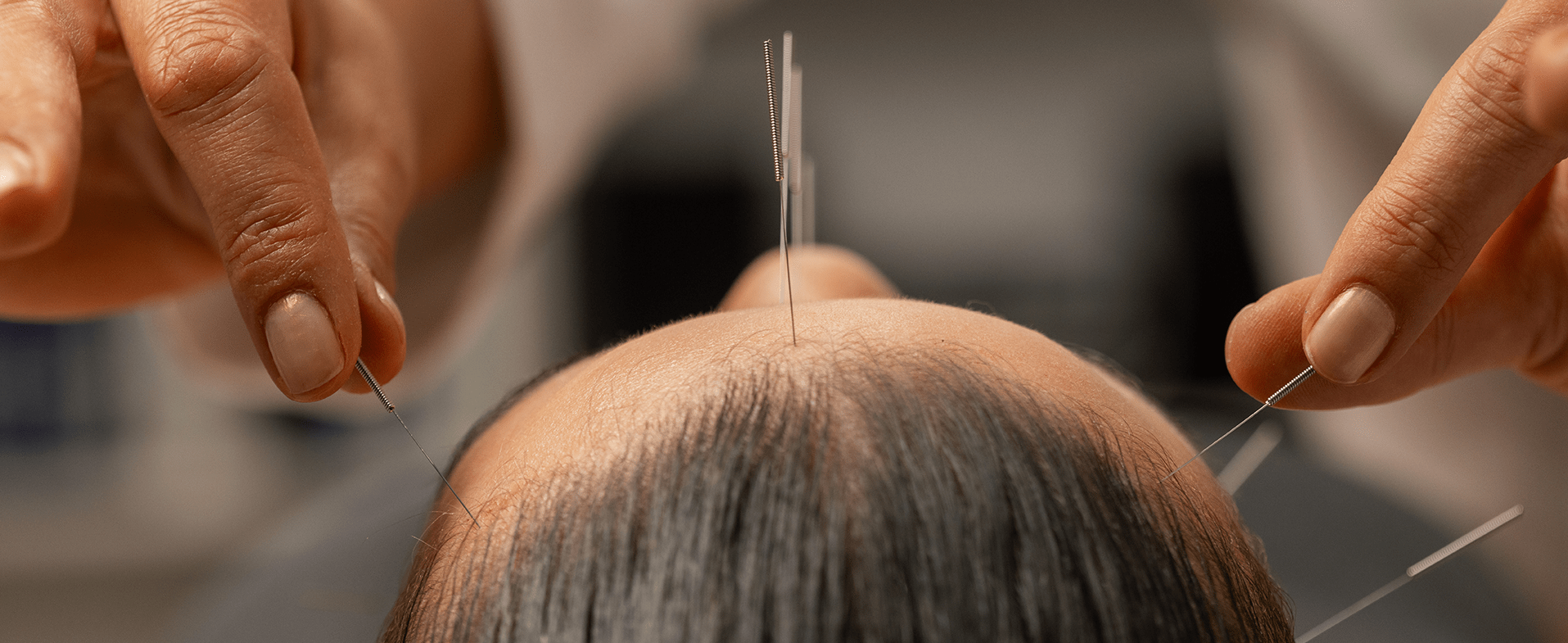
Acupuncture is an important branch of traditional Chinese medicine that involves precisely placing thin needles into the body and stimulating them for a therapeutic purpose. It’s widely used as part of cancer care. “Most major cancer centers incorporate acupuncture as part of comprehensive cancer care,” he says.
Research shows that acupuncture can help treat symptoms such as nausea, hot flashes, pain and neuropathy (tingling, numbness and pain from nerve damage). There’s been less research on acupuncture and brain fog, Dr. Elias notes. But there is emerging evidence that it might help.
One study compared three groups of patients: Some received acupuncture, some received standard care without acupuncture, and a third group received “sham” acupuncture that involved taping needles to the skin instead of inserting them. Patients in the acupuncture and sham acupuncture groups both reported feeling better—perhaps because they benefited from the one-on-one attention and care they received from the provider. But only patients in the true acupuncture group showed improved scores on cognitive tests. The finding suggests that acupuncture may have a real effect on symptoms of chemo brain.
Scientists are still working to understand why. Acupuncture is thought to stimulate the body to release natural chemicals that reduce pain and inflammation. And there’s some early evidence that acupuncture might increase proteins in the brain that play a role in cognitive processing, Dr. Elias says. It may also strengthen connections between brain cells.
However, Dr. Elias stresses, those processes are still being studied. “We’re still exploring acupuncture and brain fog. There’s more work to be done to understand if and how it might help,” he says.

Acupuncture for Side Effects of Chemotherapy
Still, he adds, chemo brain doesn’t occur in isolation. It often goes hand in hand with other things that acupuncture can address. “Acupuncture can help to ease pain, reduce stress and improve sleep—all things that can sap your energy and affect your mental capacity,” he says.
Integrative Medicine for Cancer
Acupuncture isn’t the only treatment that may help chemo brain. Integrative medicine involves a range of evidence-based approaches alongside standard cancer treatments. These include interventions such as meditation, yoga and massage to manage symptoms of cancer and side effects from treatment. They can help with stress relief and pain, and might ease brain fog, too.
In general, Dr. Elias says, such integrative medicine approaches are very safe when done by a properly trained provider. But there are some that can pose risks. While certain herbs and supplements may be helpful in select situations, others could cause side effects or interact with medications in harmful ways. Some can even reduce the effectiveness of chemotherapy. “Natural does not equal safe,” Dr. Elias says.
“Unfortunately, there’s a lot of dubious information online about supplements and herbal medicine,” he adds. “They are not regulated in the same way as medications. There have been countless documented cases of products being contaminated with other substances or not containing what they claim to. You should always err on the side of caution and talk to your doctors before taking any botanicals or supplements.”
It’s also important to talk to your care team before undergoing integrative treatments like acupuncture. While it’s usually a safe procedure, there may occasionally be situations where it is not recommended.
“Integrative approaches can provide significant benefits to patients undergoing cancer treatments and reduce reliance on medications for symptom management, but it’s important to match the right treatments to the right patients,” Dr. Elias adds. “If you’re experiencing troubling symptoms of brain fog, talk to your care team about things that might help.”
Reviewed by Zeyiad Elias, DAOM, LAc, a doctor of acupuncture and oriental medicine and licensed acupuncturist who sees patients at Henry Ford Cancer-Detroit.