
“During the school day, that fuel helps kids function and learn.”
Are School Lunches Healthy?
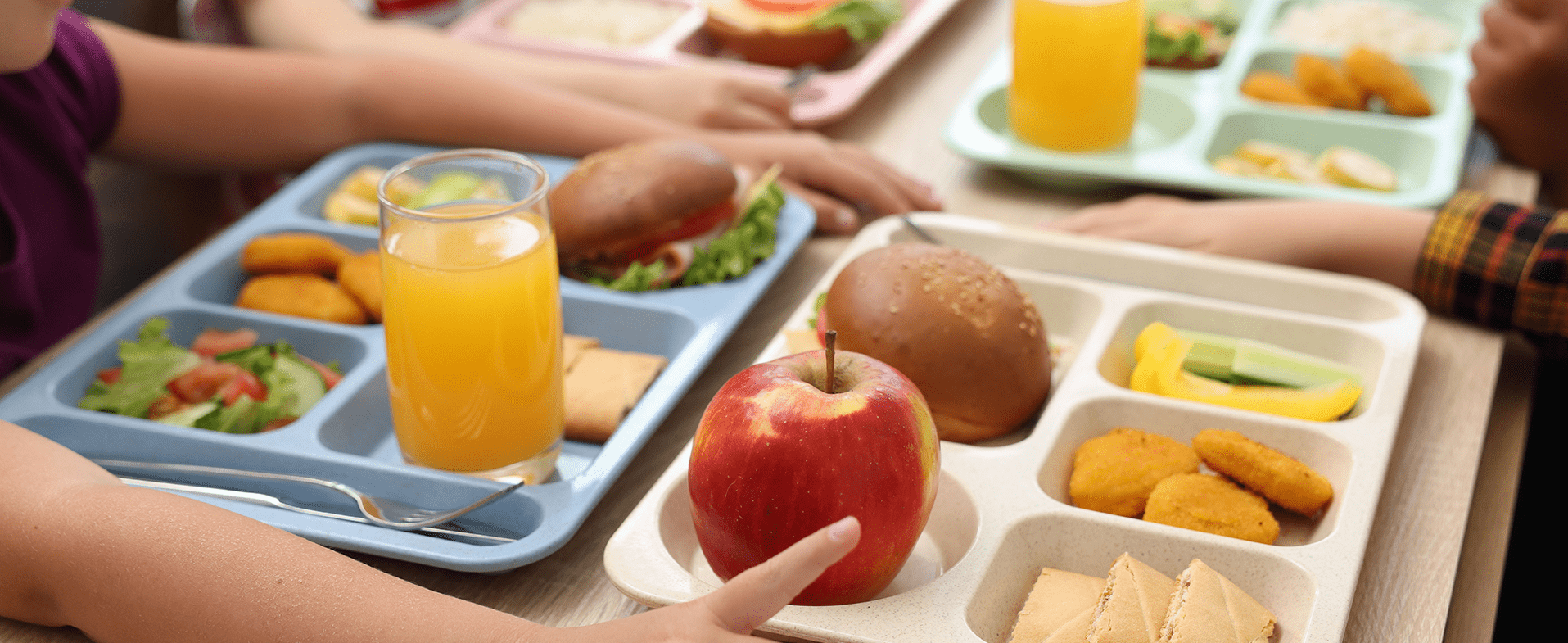
- Fruits
- Vegetables
- Whole grains
- Lean protein
- Fat-free or low-fat milk
On average, school meals actually tend to be healthier than home-packed lunches. Researchers have found that homemade lunches typically have more calories, sugar and saturated fat than school cafeteria offerings.
There’s evidence to show those healthy school options make a difference in children’s overall diets. Research shows that kids who eat school meals consume more fruits, veggies and milk than kids who don’t. They also eat fewer snacks and desserts, on average.
School Lunch Program Benefits
School lunches have also been linked to lower rates of obesity in kids, Picano says. And childhood obesity can increase the risk of a host of other health problems that follow them into adulthood. There’s also evidence that eating healthy meals during the school day improves learning. “Research shows that improving access to school lunches leads to better test scores in subjects like math,” she adds.
Eating meals at school may be especially valuable for families with food insecurity. Schools that offer free and reduced-cost school meals—including lunch and, in many schools, breakfast—help ensure that all kids get the energy they need to grow and learn. In many communities, summer programs at schools, parks and other neighborhood locations offer summer food service programs to provide meals during summer break.
But school lunch can benefit all kids, not only those who might not get enough to eat at home, Picano says. When kids are exposed to a balanced diet, with lunches featuring all the key food groups, they learn what a healthy plate looks like. That lesson can stay with them and inspire them to make nutritious choices into the future.

“If we’re presenting kids with healthy options and giving them autonomy to choose what they eat from a young age, that helps teach healthy habits that can follow them along into adulthood,” Picano says.
Picky Eaters at School
Parents thinking back to their school years might remember cafeteria lunches as less than delicious. But in many schools, lunches have come a long way. “In recent years, there’s been a bigger emphasis on making sure that schools offer high-quality foods and give kids more options,” Picano says.
That trend may be due, in part, to more awareness of the importance of good nutrition. “Both kids and parents today seem to be more knowledgeable about healthy eating, and that’s carried over into school lunches,” she adds.
Still, just because schools offer balanced meals doesn’t mean kids will eat them. Parents can help by having conversations with kids about nutrition. Schools usually post the monthly lunch calendar so families can see what’s on the menu. Caregivers can talk to kids each week about what meals they might try—and offer some gentle suggestions about which vegetables they might consider adding to their tray, for example.
For picky eaters, parents might prefer to pack a lunch—or at least send kids with some favored fruits and veggies to eat alongside the school meal. But even if your child is choosy, it’s worth considering the school lunch option. Kids who would never try a food at home might be tempted by something new at school, especially if all of their friends are eating it.
“Having exposure to different options at school and giving them the opportunity to choose what they eat can actually help them get comfortable with trying new things,” Picano says. “Research shows that one of the best ways to support children with picky eating is to offer structured choices and let them have some control over what and how much they eat.”
Reviewed by Allegra Picano, MS, RD, a registered dietitian specializing in pediatric gastroenterology at Henry Ford Health.

