A stroke can affect people very differently – with some being very mild and others impacting major arteries in the brain that attribute to significant physical or cognitive impairments. Fortunately, inpatient rehabilitation programs allow patients to begin recovering their independence shortly after experiencing stroke.
Here, Najoi Sleiman, PT, MSA, the administrative director of rehabilitation services for Henry Ford Macomb Hospital, breaks down how inpatient stroke rehabilitation works and what patients can expect from these types of programs.
Starting Stroke Recovery Early
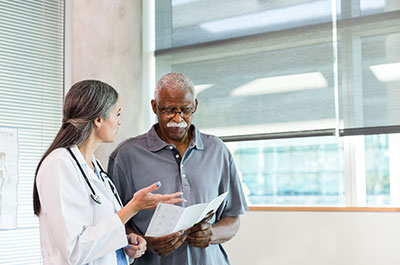
Rehabilitation starts while patients are still receiving acute stroke care. Therapy typically begins within 24 hours after a patient is admitted with a stroke, with physical, occupational and speech therapists assessing the patient to identify impairments that may be affecting their baseline function.
“Patients are evaluated primarily on their strength, coordination and balance abilities – in addition to their ability to swallow and communicate,” says Sleiman. “If we see any sort of weakness in these areas, we can expect other physical or cognitive processes to be affected as well.”
To qualify for an inpatient rehabilitation program, patients must have a need for medical oversight in addition to their rehabilitation needs. For example, pre-existing or newly diagnosed conditions such as high blood sugar, high blood pressure or heart issues may require additional monitoring after a stroke. Patients also need to be able to actively participate in and tolerate the intensity of the program, which includes three hours of therapy each day, five days a week.
What To Expect from Inpatient Stroke Rehabilitation
If a patient qualifies for inpatient rehabilitation, providers will recommend therapies tailored to the patient’s specific needs, with the goal of helping them regain as much independence as possible before discharge. In most cases, the inpatient rehabilitation stay is 10 to 12 days.
“In rehab, the goal is to focus on the repetition of meaningful daily activities you would be doing at home,” says Sleiman. “While therapists work with patients to practice these skills, the goal is not for them to do everything for you, but rather, help you relearn how to do things for yourself.”
Some examples of these activities may include:
Rehabilitation Services At Henry Ford
Occupational therapy
- Brushing teeth
- Combing hair
- Bathing
- Using the bathroom
- Getting fully dressed (including shoes)
Physical therapy
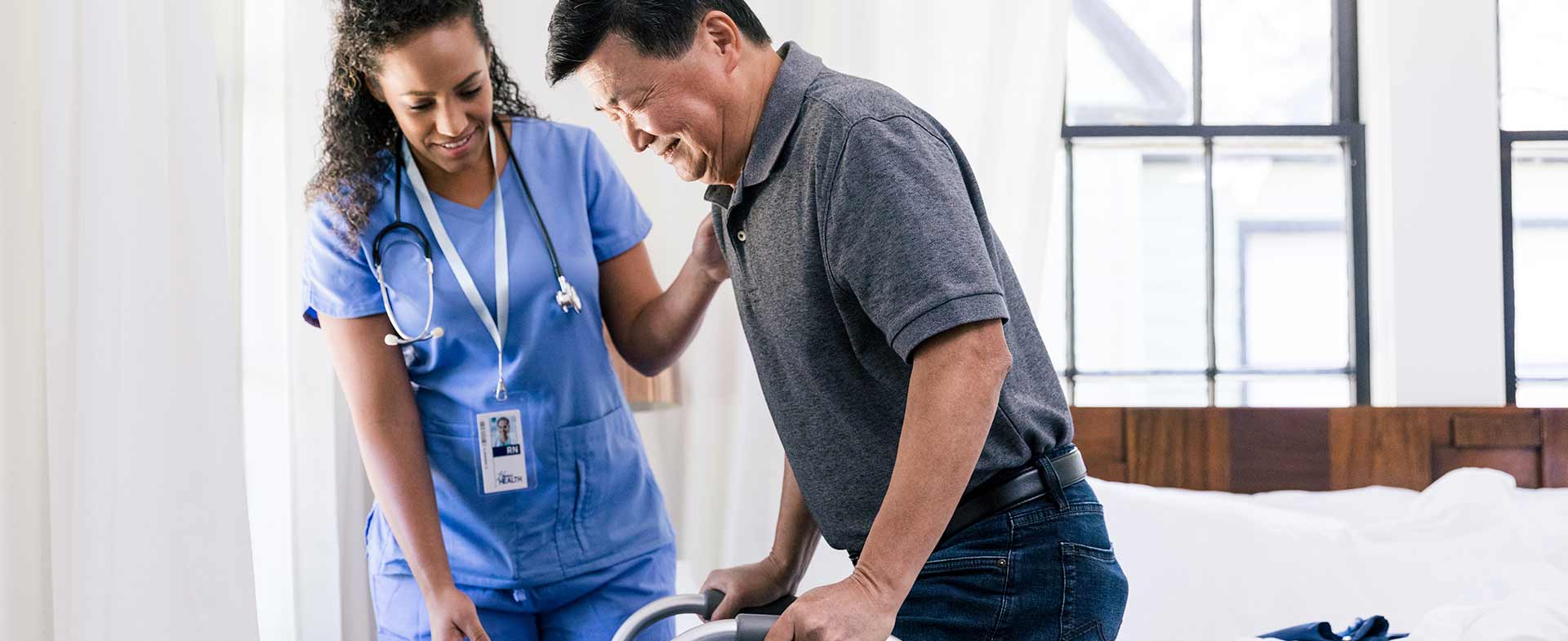
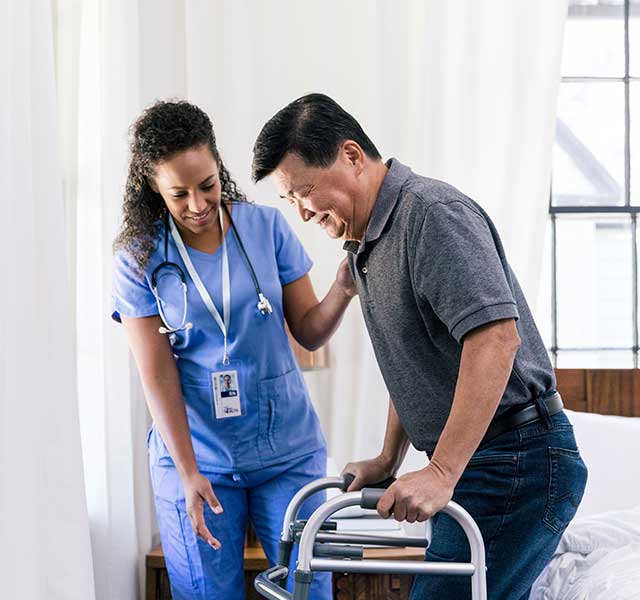
- Getting into and out of bed
- Moving from sitting to standing
- Taking steps with or without assistance
- Getting into and out of a vehicle
- Navigating stairs
- Reachers or grabbers
- Cane/walker
- Shower chair
- Wheelchair
To measure your tolerance for therapy, therapists often monitor your heart rate and blood pressure before and after each session. They also watch for signs of dizziness, shortness of breath or pain to help keep you safe during therapy.
When you aren’t in active therapy sessions, your nursing staff will help to reinforce practicing the skills learned in therapy.
Continuing Your Stroke Rehabilitation After You Are Discharged
According to Sleiman, over 80% of patients achieve a higher level of function allowing them to be discharged home either independently or with continued help and care of family or caregivers.
“Patients go home with an at-home exercise program and education materials for family members to help them continue with their therapy needs,” says Sleiman. “Often, patients will continue their rehabilitation progress at outpatient facilities.”
The journey to recovery after stroke can be a challenge, but fortunately, starting rehabilitation during your inpatient stay can help. Additionally, stroke support groups are a great resource for patients looking to connect with others during their recovery.
Reviewed by Najoi Sleiman, PT, MSA, Administrative Director, Rehabilitation Services at Henry Ford Macomb Hospital.