
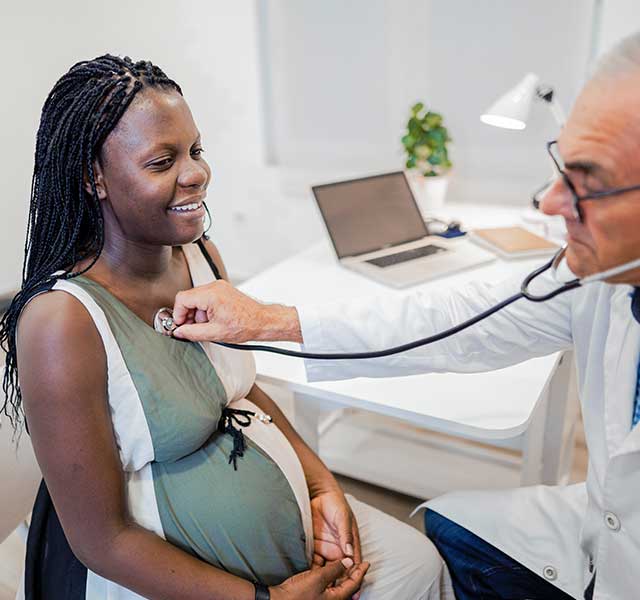
Pregnancy changes your body in numerous ways. As your body adjusts to make room for baby, many normal bodily processes such as digestion and sleep are impacted.
Your heart also undergoes many predictable and necessary changes to help your body meet the increased demand to support you and baby. Here, Carina Fadel, M.D., a cardiologist at Henry Ford Health, explains what changes to expect with your heart’s functioning and how to maintain your heart health as your pregnancy progresses.
Heart Health Changes To Expect During Pregnancy
Your heart will experience some major changes throughout pregnancy including:
- Total blood volume increases by 40-50%
- Increased heart rate (approximately 10-20 beats per minute higher at times)
- Cardiac output, or the rate at which blood flows through the heart, increases by 30-50%
- Blood pressure fluctuations in different trimesters
“We also see a mild remodeling of the heart muscles,” says Dr. Fadel. “They grow stronger to accommodate these changes while preserving overall heart function.”
While these heart changes seem dramatic, they don’t all happen at once. However, you may notice signs they are occurring. As blood volume increases, your body undergoes vascular changes to support a greater heart output. As this occurs, you might notice more visible veins on your legs, abdomen and breasts.

Women's Heart Center
Additionally, it is normal to experience:
- Heart palpitation, or periods where the heart feels like it is fluttering or racing
- Premature ventricular contractions, or extra heart beats
- Edema, or swelling in the legs
- Lightheadedness or dizziness
However, some heart symptoms should be reported to your doctor as they could be a sign of strain on your heart including:
- Shortness of breath that is out of the norm for you during pregnancy
- Chest pain
- Unexplained fainting or loss of consciousness
Avoiding Heart Complications During Your Pregnancy
“The biggest heart risks your provider will want to monitor for during and after your pregnancy are preeclampsia and postpartum cardiomyopathy,” says Dr. Fadel.
- Preeclampsia risks increase if you develop high blood pressure during your pregnancy.
- Postpartum cardiomyopathy is rare but may be the result of your heart not handling strain of addition blood volume, causing a weakening of the heart muscles.
How To Keep Your Heart Healthy During Pregnancy
If you are pregnant, Dr. Fadel recommends these tips to help keep your heart in check:
- Stay hydrated: Many women underestimate the hydration levels that are necessary to maintain the body during pregnancy. Keeping up your fluid intake helps support your body’s increased blood volume.
- Eat regular meals: If you struggle with eating on a normal schedule because of acid reflux or nausea, make a point to eat smaller, more frequent meals throughout the day instead.
- Wear compression stockings: Compression garments aren’t just for travel or people who spend a lot of time on their feet. Wearing compression socks during pregnancy can help improve venous return and avoid edema in your legs.
- Keep up with exercise: Changes in your body might make you inclined to skip out on getting moving, but going for walks or doing stationary body weight exercise can have huge benefits to you and baby.
Reviewed by Dr. Carina Fadel, a cardiologist who sees patients at the Henry Ford Women's Heart Clinic - Southfield Providence Hospital and Henry Ford Consultants in Cardiology - Farmington Hills, Ferndale and Novi.