Chances are, you know what it’s like to stretch your stomach past its limit, perhaps without even realizing it. Maybe you’ve opened a supersized bag of chips and nibbled through the entire package. Or maybe you’ve caved in to your sweet tooth and eaten a whole pint of ice cream.

The drawbacks of such accidental overeating are obvious. Most people overeat foods that are high in fat, sugar and salt, which can have negative effects on your health. Plus, over time, eating solely for enjoyment can override the body’s ability to recognize when we’re satisfied. It could also light up the addiction pathways in the brain and lead to even more overindulging.
Put a Stop to Overeating
Many factors converge to drive us to the refrigerator. It’s not just because we’re hungry or lacking in a certain nutrient. Instead, it’s a combination of visual cues (seeing food either on TV or in real life), emotional needs and feelings, and social or normative cues (it’s noon so it must be time for lunch).
Here are six strategies to help you avoid accidental overindulging:
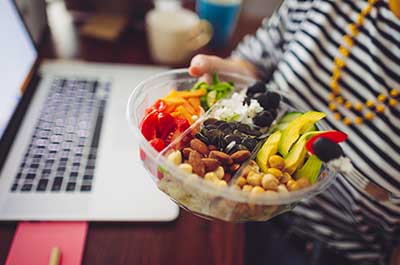
- Keep healthy foods within reach: Store fresh fruits and vegetables in plain sight. Keep a bowl of apples, pears and bananas on the counter or kitchen table. Stock green leafy vegetables, raw carrots, celery, bell peppers and other munchable produce in clear containers in the refrigerator. Put salty snacks and sweets in a high cabinet out of reach. Better yet, eliminate them from your house entirely.
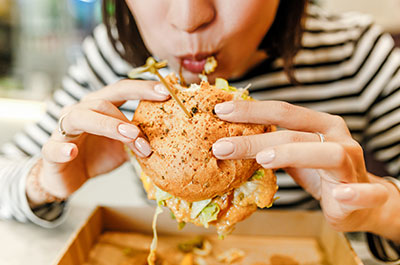
- Reduce distractions: Eating while you work, watch TV or fiddle with your smartphone increases your odds of overeating. When you’re distracted at mealtime, you’re more likely to miss your body’s satiety cues — the messages your body sends that say, “Stop eating. I’m full.”
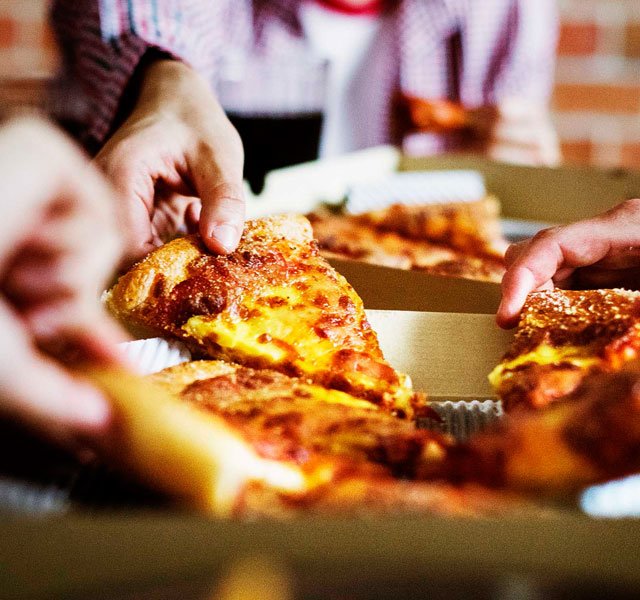
- Keep good company: Eating with other people can help you eat less or lead you to eat more, depending on the situation. When you're surrounded by family and friends during the holidays and have the opportunity to eat foods that you don't have every day, chances are, you'll want to load up on everything — and accidentally overeat. On the flip side, if you’re savoring a leisurely meal with a good friend and sharing a deep conversation, you may eat less.
- Go slow: You should give yourself at least 20 to 30 minutes to eat a full meal. Any less than that and you may be eating too quickly for your body to realize it’s satisfied. To help yourself slow down, focus on your food and mindfully chew each bite. You can also play slow, soothing music in the background and put your utensils down after each bite.
- Eat at a table: Instead of eating breakfast in your car, indulging in dessert in your favorite recliner and noshing on lunch working at your desk, make sure you eat every meal and snack sitting at a table where you can focus on enjoying your food.
- Watch portion sizes: Unfortunately, portion sizes for standard meals and snacks — whether prepared at home or purchased on-the-go — have ballooned in recent decades. When you’re home, consider using smaller plates for meals instead of portioning your food on large entrée plates. When you’re dining out, ask your server to put half of your meal into a to-go bag so you can eat it the next day.
Support Yourself If You Do Overeat
Even with these strategies, you’ll probably overeat from time to time. Don’t beat yourself up. It can be difficult to avoid food traps on a daily basis. Take note of what led you to overindulge and try to steer clear of the trigger next time.
Still struggling to control your calorie intake? Consider scheduling a consultation with a registered dietitian to help you devise a plan that works for your unique circumstances.
Patricia Jurek, RD, MBA, is the manager for Henry Ford Macomb Hospital’s Center for Weight Management. Learn more about Patricia.