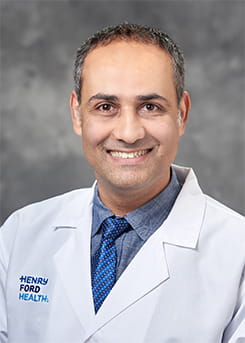
Edward D Boyd, PhD

Specialties: Research
/hfh-logo-main--white.svg?iar=0&w=300&hash=6384A2E70E92039C36CA5CCBA53F8964)
Board Certification and Education
- University of Tehran School of Med, Research, 2014
- University of Illinois at Chicago, Research, IL, 2022
- Henry Ford Hospital, Radiology Neuroradiology, MI, 2017
About Me
Biographical Statement
Edward D. Boyd, PhD, is a neuroscientist, biomedical engineer and neuroimaging researcher who serves as a senior staff scientist in the Department of Neurology Research at Henry Ford Health and an adjunct assistant professor in the Department of Radiology at Michigan State University. His research focuses on developing and applying advanced magnetic resonance imaging (MRI) methods to characterize brain microstructure, cerebrospinal fluid dynamics, glymphatic function, neurovascular health, and epileptogenic brain networks.
His research has also addressed the use of quantitative neuroimaging for the localization and characterization of epilepsy. In collaboration with clinical and imaging researchers, Dr. Boyd has applied multimodal MRI and quantitative image analysis to investigate structural and functional abnormalities associated with temporal lobe epilepsy and other seizure disorders. This work has included evaluating regional brain abnormalities, white matter integrity, network-level alterations, and imaging features that may help identify epileptogenic regions and support presurgical evaluation.
Dr. Boyd’s current research centers on quantitative MRI of the brain’s glymphatic system, a fluid-transport network involved in cerebrospinal fluid circulation and the clearance of metabolic waste from the central nervous system. He has developed mathematical and computational models that use MRI data to map glymphatic pathways and quantify tracer transport, retention, clearance and dysfunction. His work has demonstrated the potential of MRI-based glymphatic measures to detect impaired brain waste clearance associated with diabetes, aging, cerebrovascular disease and neurodegenerative disorders.
His methodological expertise includes structural MRI, diffusion MRI — including diffusion tensor imaging, diffusion kurtosis imaging, q-ball imaging, and hybrid diffusion imaging — functional MRI, electroencephalography, contrast-enhanced MRI, image registration, brain connectivity analysis and computational modeling. He also develops customized image-processing software and quantitative analytical tools that have been used by multidisciplinary collaborators in studies of epilepsy, stroke, diabetes, multiple sclerosis, traumatic brain injury and neurodegenerative disease.
Through collaborations with neurologists, radiologists, neurosurgeons, neuroscientists and imaging researchers, Dr. Boyd seeks to translate advanced neuroimaging methods into clinically useful biomarkers. His ongoing work aims to characterize glymphatic dysfunction in human neurological disease and develop noninvasive imaging approaches for patient stratification and treatment planning. Ultimately, his research is directed toward improving the understanding of brain health and supporting earlier diagnosis and more effective therapeutic strategies for neurological disorders.
Research Interests
- Glymphatic system imaging and modeling
- Quantitative magnetic resonance imaging
- Diffusion MRI and brain microstructure
- Epilepsy localization and presurgical neuroimaging
- Temporal lobe epilepsy
- Brain connectivity and network analysis
- Neuroimaging biomarkers
- Cerebrospinal fluid dynamics
- Brain waste clearance
- Neurovascular dysfunction
- Stroke and diabetes-related brain injury
- Neurodegenerative disease
- White matter integrity and connectivity
- MRI image analysis and computational modeling
Email: eboyd3@hfhs.org
Videos and Articles
-
Videos
-
Blog Posts
Locations

Hospital Privileges
- Henry Ford Hospital