.svg?iar=0&hash=F6049510E33E4E6D8196C26CCC0A64A4)

/hfh-logo-main--white.svg?iar=0&hash=ED491CBFADFB7670FAE94559C98D7798)

How Does Diabetes Affect Your Sleep?
Diabetes and sleep problems often overlap. Find out how high or low blood sugar can interfere with your sleep and how to get the rest you need.
The Diabetes Prevention Program (DPP) helps adults with prediabetes lower their risk of developing type 2 diabetes through healthy lifestyle changes and personalized support.
Learn more about our Diabetes Prevention Program: Call (313) 876-8300.
Here you can learn about program eligibility, what to expect during the year-long program, calculate your risk and how you can get started.
Henry Ford Health's DPP is a program designed to help you make sustainable lifestyle changes that can prevent or delay type 2 diabetes.
Benefits of our program include:
Our Diabetes Prevention Program (DPP) is a nationally recognized lifestyle change program approved by the CDC. Research has shown that healthy eating, increased physical activity and modest weight loss can significantly reduce the risk of developing type 2 diabetes.
Participants work with a trained lifestyle coach and a group of peers to build healthy habits that support long-term wellness.
Learn more about our program, what it offers and who is eligible below:
The Diabetes Prevention Program lasts one year and includes two phases:
Throughout the program, participants learn skills related to:
Learn more about the program with this video:
To participate in the Diabetes Prevention Program, you must meet all the following requirements:
In addition, you must meet at least one of the eligibility criteria outlined below:
Henry Ford Health offers DPP classes for our primary care patients. We are also currently partnering with the National Kidney Foundation of Michigan to offer additional classes, at no cost to you.
Diabetes and sleep problems often overlap. Find out how high or low blood sugar can interfere with your sleep and how to get the rest you need.

Type 2 diabetes is no longer considered an irreversible condition. Some people have put the disease into remission with lifestyle changes. Learn more.
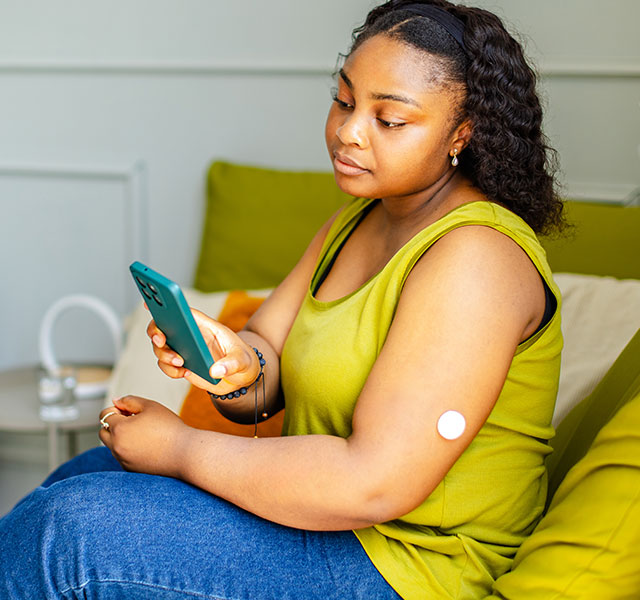
From keeping track of your blood sugar to monitoring insulin (and more!) here are the game-changing devices diabetes patients should know about.
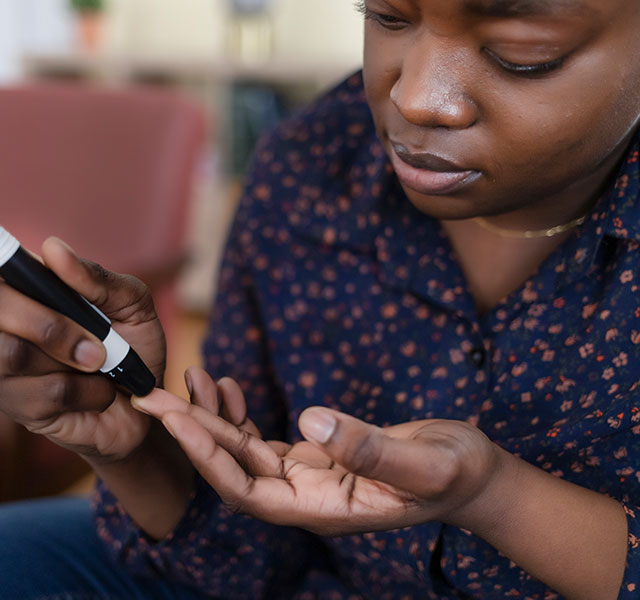
Type 1.5 diabetes often looks like Type 2, but it’s a different condition with different treatment. What is it, and how would you know if you have it?
We use cookies to improve your website experience. By using this site, you agree to our Terms of Use. Read our Internet Privacy Statement to learn what information we collect and how we use it.