.svg?iar=0&hash=F6049510E33E4E6D8196C26CCC0A64A4)

/hfh-logo-main--white.svg?iar=0&hash=ED491CBFADFB7670FAE94559C98D7798)
Chronic Pulmonary Embolism (PE)
We are one of few centers in the U.S. with the resources and experience to manage chronic PE and related conditions.
A chronic (persistent and ongoing) pulmonary embolism (clot in lung) is an advanced form of an acute (sudden onset) PE that either wasn’t diagnosed, or which was not fully treated. When a PE reaches a chronic state, it can lead to related, life-threatening conditions, including chronic thromboembolic pulmonary hypertension (CTEPH), right ventricular heart failure and cardiogenic shock.
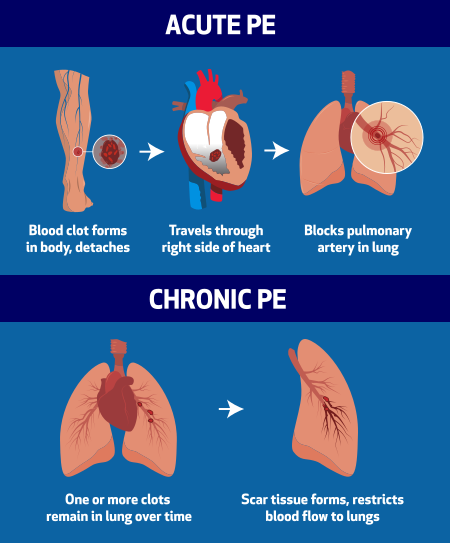
How a chronic pulmonary embolism develops
Acute PE
Typically, an acute PE forms when a new blood clot forms somewhere else in the body. One of the most common causes is a deep vein thrombosis (DVT), when a clot forms in one of the deep leg veins. If the clot detaches, it can travel through the veins in the body to the heart. From there, it passes through the right side of the heart and becomes stuck in one of the pulmonary arteries, the large arteries that lead from the heart into the lungs.
Chronic PE
If left untreated, then over time the original clot can remain lodged in the lung. In addition, other clots may develop in the body, travel to the lungs and stay there. This can cause scar tissue to form in the lung’s blood vessels, narrowing them and restricting blood flow from the heart into the lungs.
Why choose Henry Ford Health for chronic pulmonary embolism treatment?
- Dedicated pulmonary and critical care team: Our critical care doctors specialize in pulmonary care, which gives them deep expertise in caring for patients with lung issues. Our dedicated ICU for lung patients has a specific unit for patients with pulmonary hypertension.
- Expert PE treatment for CTEPH and related conditions: We are one of few centers in the U.S. with the resources and experience to treat chronic thromboembolic pulmonary hypertension (CTEPH), right ventricular heart failure and cardiogenic shock.
- Comprehensive pulmonary rehabilitation program: This supervised exercise program can help you recover from a chronic pulmonary embolism, so you can breathe easier, regain strength and perform daily activities such as walking and climbing stairs. We also educate you about lung disease, including teaching you about medications and other therapies, breathing techniques and more.
- Research into new PE treatment options: As a leader in pulmonary research, we have studied new ways to diagnose and treat pulmonary embolism most effectively. We continue to participate in multiple large pulmonary embolism clinical trials, which affords us access to currently approved therapies and emerging treatment options.
Chronic pulmonary embolism diagnosis
If you have previously been treated for an acute pulmonary embolism, or if we suspect that you have an undiagnosed acute PE that has developed into a chronic pulmonary embolism or CTEPH, we will perform a noninvasive exam called a ventilation perfusion scan (VQ scan). This consists of two separate tests that collectively help identify chronic blockages in the pulmonary arteries in your lungs.
Chronic PE treatment
We personalize treatment for chronic pulmonary embolism based on several factors, including how far the PE has progressed and any other existing health conditions. As with an acute pulmonary embolism, this may include blood thinners, a catheter-based treatment to dissolve or remove the clot, or a surgical procedure.