Call (800) 436-7936
 to find out how our experts can help.

Diabetes Care

The Diabetes Program at Henry Ford Health is one of the largest, most comprehensive programs of its kind in Michigan. We offer every type of diabetes medication and technology available, allowing us to provide you with care that is targeted, personalized and effective.

Take the next step

Find a doctor

Learn more about the types of diabetes we treat, the treatments we offer and what makes our team a top choice for diabetes care.

Why choose Henry Ford Health for diabetes care?

Whether you have a new diagnosis or have been living with diabetes for years, treating this disorder can be complex. At Henry Ford Health, we teach you to self-manage diabetes. We give you the tools and education you need to achieve your best possible health and quality of life.

The Henry Ford Health difference:

  • Full-spectrum treatment: We offer the entire array of diabetes treatments, including every available technology for continuous glucose monitors, insulin pumps, pens and other wearable devices. Offering all of these options allows for exceptional levels of personalized care, so you get the treatment that works best for you.
  • Research-driven care: Our experts don’t just use the latest treatments — we research them for FDA approval. We were a key site of the Diabetes Control and Complications Trial (DCCT), a landmark study evaluating patients with Type 1 diabetes. Today, you may have access to new and promising therapies through participating in clinical trials.
  • Comprehensive education: Our team includes diabetes educators and nurse practitioners with specialized certifications in diabetes care. These team members are well-versed in all diabetes medications and devices, offering robust education to help you live well with diabetes. Find out more about diabetes self-management.
  • Convenient access: We strive to make it as easy as possible for you to get the care you need. We have clinics throughout southeast Michigan and offer virtual visits when appropriate.
  • Multispecialty team: Our care team includes endocrinologists, diabetes-certified nurse practitioners, fellows, diabetes educators, registered nurses and medical assistants. Thanks to the robust network of specialists at Henry Ford Health, you also have easy access to nephrologists, ophthalmologists, neurologists, cardiologists and other experts as needed to manage any diabetes complications.

Our areas of diabetes care

Diabetes occurs when your body can’t break down sugar from food. As a result, too much glucose (sugar) gathers in your bloodstream, which can lead to serious complications such as nerve damage and eye problems.

Skilled experts at Henry Ford Health care for people with all types of diabetes, including:

  • Gestational diabetes, when diabetes develops during pregnancy, usually for no clear reason
  • Prediabetes, when you have high blood sugar, but not high enough for a diabetes diagnosis
  • Type 1 diabetes, when your body doesn’t produce insulin, a hormone necessary for managing blood sugar
  • Type 2 diabetes, when your body doesn’t use insulin properly
  • Diabetes treatments

    Diabetes treatment focuses on managing your blood sugar through lifestyle changes and medication. Our diabetes educators help you make diet and exercise changes to help control your blood sugar and symptoms.

    We also provide the entire range of medical treatments and devices, including:

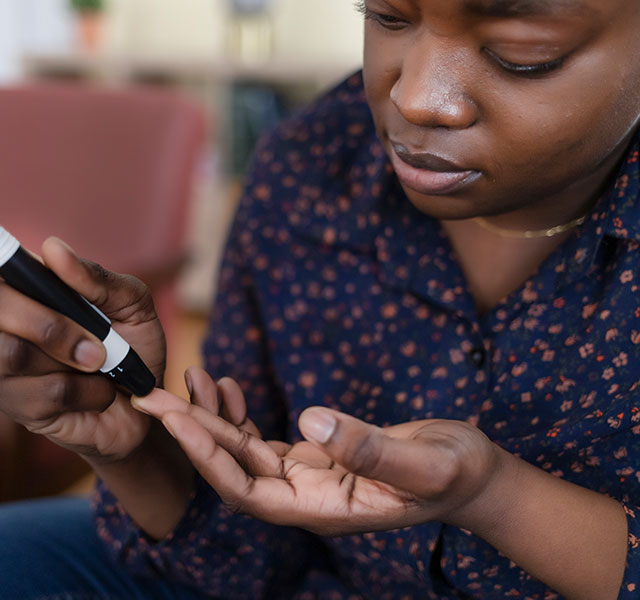
    • Glucose monitoring: Regularly checking blood sugar is a crucial part of diabetes management. The traditional way to monitor glucose involved finger sticks and glucose meters. Newer devices, such as continuous glucose monitors, use sensors beneath the skin to measure blood sugar every few minutes. Closed-loop systems combine continuous glucose monitors with insulin pumps to automatically deliver the right amount of insulin based on your blood sugar levels.
    • Insulin therapy: People with Type 1 diabetes need insulin to survive, because their body doesn’t produce it naturally. People with Type 2 and gestational diabetes often also need to use insulin. There are multiple types of insulin, including short-acting, rapid-acting, long-acting and intermediate types. You may take insulin using a syringe, pen, pump or automated insulin device (AID).
    • Medications: People with Type 2 diabetes often need oral or injectable medications to manage their glucose levels. Our team uses the full range of diabetes medications, matching you with the option that works best for you.
    • Clinical trials: Our team continually participates in clinical research related to new medications and devices. Depending on your eligibility, you may be able to take part in one of these studies.
  • Diabetes care FAQs

    Why should I see a specialist for diabetes treatment?

    Many people with diabetes successfully manage the condition with their primary care provider. However, if you have a new diagnosis, severe symptoms or uncontrolled blood sugar, you may also benefit from seeing a specialist. Our diabetes team is the most experienced in Michigan, helping hundreds of patients manage their diabetes each year.

    What is the best way to control diabetes?

    Managing diabetes often requires a combination of lifestyle changes and medical treatments. Our team offers every available medication and diabetes device, so you can find the option that works best for you.

    What are the signs of diabetes?

    Uncontrolled diabetes leads to high blood sugar, which can cause excessive hunger and thirst, frequent urination, unexplained weight loss, fatigue and blurry vision. In severe cases, it can also lead to tingling and slow-healing sores affecting your feet and hands. It’s also possible that you may not have any symptoms.
  • Diabetes care locations
    We have clinics across Michigan and offer virtual visits when appropriate.
Show me
View All News
reversing type 2 diabetes

Can Type 2 Diabetes Be Reversed?

Type 2 diabetes is no longer considered an irreversible condition. Some people have put the disease into remission with lifestyle changes. Learn more.

type 1.5 diabetes

Could You Have Type 1.5 Diabetes? 

Type 1.5 diabetes often looks like Type 2, but it’s a different condition with different treatment. What is it, and how would you know if you have it?

dummy mobile image

Navigating Skin Changes Related to Diabetes

Diabetes is about more than just your blood sugar. It’s also very common for people with diabetes to experience skin conditions like rashes and infections.

View All Blog Posts

Cookie Consent

We use cookies to improve your website experience. By using this site, you agree to our Terms of Use. Read our Internet Privacy Statement  to learn what information we collect and how we use it.

Accept All
Dismiss