.svg?iar=0&hash=F6049510E33E4E6D8196C26CCC0A64A4)

/hfh-logo-main--white.svg?iar=0&hash=ED491CBFADFB7670FAE94559C98D7798)

‘Stay Home Safe’ Program Reduces Fall-Related Hospital Visits by Nearly 50%
Henry Ford Health and Habitat for Humanity Detroit continue to expand a program that helps make seniors’ homes safer.
The clinicians of the Department of Anesthesiology, Pain Management & Perioperative Medicine at Henry Ford Hospital are equipped with the skills, experience, and motivation necessary to deliver the safest and highest quality care. Our mission is to meet this goal through the advancement of cutting-edge research. The department upholds a culture of mentoring, collaboration and enhanced professional development. This mandate is reflected through our values of collaboration; excellence; integrity; compassion; diversity; and innovation.
In order to meet our core mission of delivering safe, high-quality care for our patients, we closely review the medical records of all patients before they receive anesthesia. Our Surgical Optimization Clinic helps patients stabilize their chronic illnesses before going through surgery, in order to avoid complications afterwards. You'll be in great hands on the day of your procedure.
Every anesthesiologist at Henry Ford is a Board Certified or Board Eligible physician by the American Board of Anesthesiology (ABA). Our faculty members represent every major subspecialty in the field of anesthesiology including:
We follow the best available scientific literature in our treatment plans, including the use of Enhanced Recovery after Surgery (ERAS) pathways where appropriate.
While receiving anesthesia, you’ll have two experienced anesthesia providers watching over you: an anesthesiologist and either a Certified Registered Nurse Anesthetist (CRNA) or anesthesiology resident physician. We are committed to the principle embedded in a High-Reliability Organization, the goal of causing zero harm.
 To deliver safe, high quality care, we actively participate in national patient safety organizations and conduct clinical research trials. As part of the Multicenter Perioperative Outcomes Group (MPOG), we share patient safety data and best practices with other leading anesthesiology departments across the nation. We publish dozens of articles each year in international scientific journals. The department partners with medical device companies to have the most cutting-edge technologies available for our patients.
At Henry Ford Hospital, we educate the next generation of anesthesia providers. Our department trains fifty physicians yearly as they specialize in Anesthesiology and provides advanced training programs for established anesthesiologists as they seek further subspecialty training. We serve as a core training site for the highly ranked Nurse Anesthesia program at the University of Detroit Mercy. Our expertise extends to the classroom as well. Most of our anesthesiologists are clinical faculty with Wayne State University School of Medicine. Currently we are forging a partnership with Michigan State University to establish a new Health Sciences Center on our campus in the city of Detroit.



Online or in person, bullying is never acceptable. Whether your child is a victim, aggressor or bystander, here are steps you can take to stop hurtful behaviors.

Pumpkin-carving injuries are the most common Halloween-related injuries. Our emergency room doctor shares how to carve safely.

A surgical procedure called aquablation can treat an enlarged prostate, helping to ease symptoms like frequent urination.
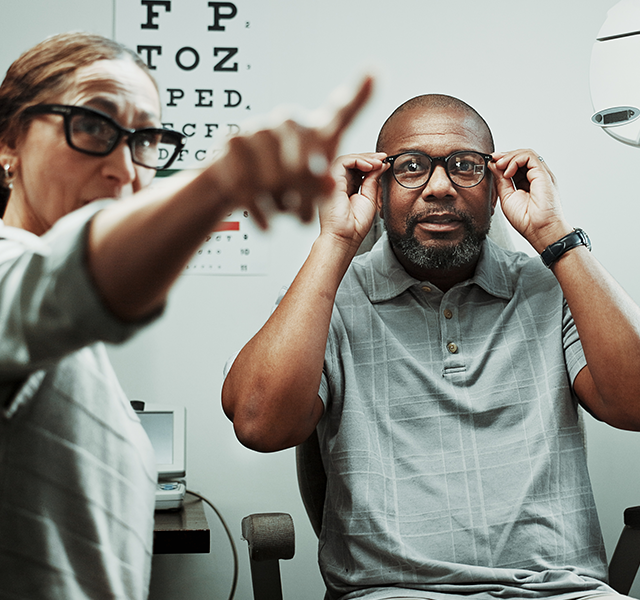
A sudden loss of vision is always a medical emergency. The cause could be an eye stroke. Find out if you're at risk and what to do if an eye stroke occurs.
We use cookies to improve your website experience. By using this site, you agree to our Terms of Use. Read our Internet Privacy Statement to learn what information we collect and how we use it.