.svg?iar=0&hash=F6049510E33E4E6D8196C26CCC0A64A4)

/hfh-logo-main--white.svg?iar=0&hash=ED491CBFADFB7670FAE94559C98D7798)
Cataracts
Cataracts can cloud your vision, impacting your quality of life
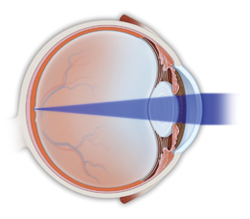
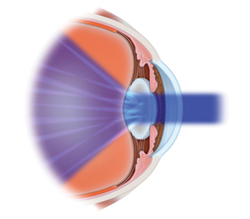
A cataract is a clouding of the eye’s normally clear lens. It most commonly occurs as part of aging, when proteins in the eye clump together, clouding the lens, causing blurred vision and reducing the amount of light that reaches the retina. These and other symptoms can make it difficult to perform everyday activities.
Dr. Paul Baciu explains the basics of cataracts
Cataract symptoms
Cataracts typically develop slowly. Early on, you may not notice vision changes until they progress. Symptoms may include:
- Clouded, blurry or dim vision
- Colors appearing faded, dull or yellow
- Frequent changes in eyeglass or contact lens prescription
- Difficulty seeing at night or in low light
- Increased need for brighter light when reading or performing tasks
- Sensitivity to glare from headlights, lamps or sunlight
- Double vision or multiple images in one eye
- Decreased ability to detect contrast


Who develops cataracts?
Age-related cataracts most often develop after age 60, though some people may begin to notice changes in their 40s or 50s. Additional risk factors include:
- Genetics: A family history of cataracts
- Certain conditions: Including diabetes, hypothyroidism and glaucoma
- Tobacco use: Smoking or smokeless tobacco
- Steroid medications: Long-term use, including prednisone
- Radiation exposure: X-rays or prolonged UV exposure
- Trauma: Injury to the eye
Cataracts can also occur in children as congenital or developmental conditions. They may affect one or both eyes but are not contagious and cannot spread.
How do you treat cataracts?
The Henry Ford cataract program is one of the largest and most experienced in the region, performing more than 6,000 surgeries each year. We offer the latest cataract treatments , including laser cataract surgery .
Modern cataract surgery is an outpatient procedure that typically takes less than 30 minutes and does not require general anesthesia. During surgery, the clouded lens is removed and replaced with an implantable lens .
At Henry Ford, patients come first
The Henry Ford Department of Ophthalmology provides compassionate, personalized care using the most advanced treatments available. We are dedicated to vision research and remain at the forefront of innovation. As one of the largest ophthalmology practices in the United States, we treat more than 55,000 patients each year at 12 locations throughout southeast Michigan. Our team also collaborates across specialties to provide coordinated, multidisciplinary care.