.svg?iar=0&hash=F6049510E33E4E6D8196C26CCC0A64A4)

/hfh-logo-main--white.svg?iar=0&hash=ED491CBFADFB7670FAE94559C98D7798)
Milestones
At Henry Ford, patient care is always first and foremost. Part of our commitment to providing the best possible care has resulted in numerous innovations and firsts for medicine and health care over the past 90 years -- not only for this region, but for Michigan and the nation.
1900 - 1940 | 1941 - 1945 | 1946 - 1970 | 1971 - 1990 | 1991 - Present
1900-1940
|
1914: The first chemical dependency unit in U.S. is established at Henry Ford Hospital. |
|
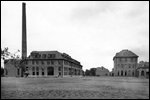 |
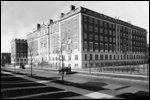
1915: Henry Ford Hospital, located at what was then the edge of the city of Detroit at Hamilton and West Grand Boulevards, opened its doors to patients in October. A Private Patient Building accommodated 48 patients and several other small buildings housed the surgical pavilion, research quarters, kitchens and laundry facilities, the power plant and garage. The hospital was financed and built by automotive pioneer Henry Ford, who organized a closed staff of physicians and surgeons, many of whom came from Johns Hopkins. Within two years, construction of a larger building began on the same 20 acre site. - Henry Ford Hospital is one of the first U.S. hospitals to use a standard fee schedule and favor private or semi-private rooms over large wards. It also is the first hospital in the country to form a closed, salaried medical staff. This group practice model first is scorned by the medical profession but is gradually accepted. Because of founder Henry Ford's concern that tobacco is unhealthy, Henry Ford Hospital is one of the first hospitals in the U.S. to institute a total ban on smoking. |
|
1915: Henry Ford is the first hospital in the country to form a closed, salaried medical staff (Henry Ford Medical Group). |
|
 |
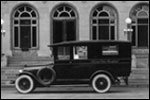
1918: After the United States entered World War I, hospital staff members were recruited or enlisted. As the hospital could not operate on its own, Henry Ford offered it to the U.S. government for use as an Army hospital for the duration of the war. A ceremony on October 26 marked the temporary transfer of the unfinished Henry Ford Hospital to the U.S. Army. For the next eleven months, the Henry Ford Hospital would be known as the U.S. Army General Hospital No. 36. After the war ended on November 11, hospital facilities were needed to care for the hundreds of wounded and ailing American soldiers as they returned home. |
|
1918: Henry Ford Hospital becomes U.S. Army Hospital No. 36, providing recovery and rehabilitation needs for returning WWI soldiers. |
|
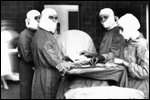 |
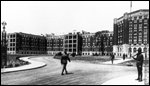
1919: The hospital was returned to Henry Ford by the government on November 1, and the original staff returned from their army service and again opened the hospital. That same month, a second influenza epidemic arrived, and 300 emergency beds were made available for the city. Stricken patients flooded the hospital, all of them seriously ill and many of them dying. Almost 9,000 Detroiters fell victim to the infection. 1921: On December 21, the 50,000-square-foot main hospital opened with a completely equipped diagnostic clinic, staff and 500-bed capacity. With four floors of private inpatient rooms and a six-story central unit, it offered the finest care and hospital surroundings available anywhere in the country. |
|
1921: Henry Ford receives the patent for the first adjustable hospital bed crank. |
|
  |
1923: Under the direction of Dr. Thomas J. Heldt, Henry Ford Hospital is one of the country's first general hospitals to establish a psychiatric unit within its walls. 1925: A 300-room Nurses Home named for Clara Ford was opened to house students of the newly formed Henry Ford Hospital School of Nursing. The diploma school offered training in basic sciences and nursing practice, graduating more than 5,000 students in the ensuing 71 years of its operation. The school was known for its high standards and excellence in education and practice, and "Ford grads" were easily recognized by their unique caps as well as for their skillful care of patients. 1926: The Division of Neurosurgery at Henry Ford Hospital was established by Albert Crawford. 1935: Dr. Roy McClure begins adding iodine to kitchen salt to prevent the development of endemic goiters. Eventually all salt for human use is iodized by law. 1940: Dr. Conrad Lam is the nation's first physician to administer purified heparin to treat clotting of veins. |
|
1925: The Henry Ford Hospital School of Nursing and Hygiene and Clara Ford Nurses Home opens. |
|
|
1928: Henry Ford is among the first to receive funding for research from the new National Institutes of Health (NIH). |
|
|
1940: Dr. Conrad Lam is the nation's first physician to administer purified heparin to treat clotting of veins. |
1941-1945
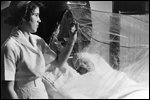 |
1942: Henry Ford Hospital is one of a few U.S. hospitals selected by the National Research Council as a trial site to test penicillin. Drs. Conrad Lam and Edward Quinn treat about 40 medical and surgical patients with the drug. 1943: Henry Ford Hospital’s Dr. Frank Hartman develops the liquid Oxygen Tent. 1944: Henry Ford Hospital becomes the first hospital to use the now-routine technique of multiple lead electrocardiograms introduced by Dr. Robert F. Ziegler. The following year, Dr. Ziegler establishes one of the first cardiology training programs in the United States, as well as initiating the hospital’s first cardiac catheterization studies program. |
|
1942: Henry Ford Hospital joins several medical institutions across the nation as a trial site to test the effectiveness of penicillin. |
|
|
1943: Dr. Frank Hartman develops the first liquid oxygen tent. |
1946-1970
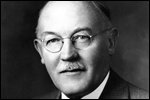 |
1947: The Edsel B. Ford Institute for Medical Research was established as Henry Ford Hospital's formal division of scientific research. The Institute developed over the years and later became a research department with activities involving millions of dollar in research grants annually and projects in many areas of medical and surgical specialization. Ultimately, in 1990, the health system's academic and research activities were brought together under the umbrella of the newly formed Henry Ford Health Sciences Center. |
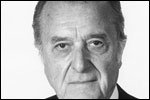 |
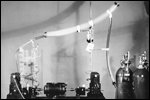
1948: Henry Ford Hospital urologist Dr. John K. Ormond rediscovers retroperitoneal fibrosis, now called Ormond's Disease -- a condition characterized by the development of a plaque-like mass of fibrous tissue in the retroperitoneum. Ormond described two patients with diffuse fibrosis of the retroperitoneal tissues, and established the clinical and pathological entity of idiopathic retroperitoneal fibrosis more clearly. 1951: Drs. Lam and Edward Munnell developed a technique for the correction of mitral valve stenosis, using a special six-finger glove with a knife attached to the sixth mid-palm finger. |
 |
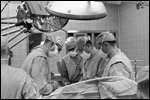
1952: Henry Ford vascular surgeon Dr. D. Emerick Szilagyi performs Michigan's and one of the world's first grafts of an abdominal aortic aneurysm. 1955: The hospital celebrated the opening of a 17-story Clinic Building, which housed 14 specialty outpatient clinics, a 35,000-volume medical library and 20 new operating rooms. The new facility relieved crowding. - Dr. Szilagyi established the first homograft blood vessel bank in the state. Sterilized homografts from human cadavers are used in clinical practice and shared with other institutions. - The initial meeting of what was to become the Six Clinic Conference was held in Detroit in January, and included representatives from Henry Ford Hospital, Ochsner Clinic in New Orleans and the Cleveland Clinic. In March, the group met again in New Orleans, and were joined by representatives from the Mayo Clinic in Rochester, Minnesota, and Lovelace Clinic in Albuquerque, New Mexico. In November a third meeting was held in Cleveland. This one served as the first formal meeting of the group, and included members from the sixth participant, the Lahey Clinic in Boston. For 40 years representatives of the same six institutions met annually, rotating locations among themselves, to compare ideas and activities of their multi-specialty, group practice institutions. 1956: Henry Ford cardiothoracic surgeon Dr. Conrad Lam performs the first successful open heart surgery in Michigan using the heart-lung machine. - Henry Ford’s Dr. James Barron develops the Barron Food Pump, a device used to deliver pureed food through a small nasal gastric tube. 1958: WWJ-TV in Detroit broadcasted a live telecast of a surgical procedure involving the resection of an aorta and its replacement with an artificial Dacron graft. The operation, performed by Drs. D. Emerick Szilagyi and Roger F. Smith in a Henry Ford Hospital operating suite, was described as it proceeded by television newsman James Clark. Commentary was provided by an expert panel including Dr. Henry Bahnson of Johns Hopkins Hospital, Dr. Marion S. Deweese of the University of Michigan and Dr. Eugene Osius of Harper Hospital. The live broadcast, sponsored by the Michigan State Medical Society and the Wayne County Medical Society during the 12th annual Michigan Clinical Institute, was one of the first of its kind in the United States and brought positive acclaim to the hospital and its Department of Surgery. |
|
1952: Dr. D. Emerick Szilagyi performs Michigan's, and one of the world's, first grafts of an abdominal aortic aneurysm. He also establishes the state's first homograft blood vessel bank for use in future surgeries. |
|
|
1955: Henry Ford Department of Urology successfully regenerates a completely removed bladder using a plastic mold around which a new bladder could grow. |
|
|
1956: Henry Ford Hospital is the first in Michigan to perform the first successful open-heart surgery using the heart-lung machine, which takes over the work of the heart and lung during a surgery. |
|
|
1956: Dr. James Barron develops the Barron Food Pump, a device used to deliver pureed food through a small nasal gastric tube. This is also known as a feeding tube. |
|
|
1958: Dr. Harold Frost is the first to link bone density to hormones in women. This is a crucial step in gaining understanding of women's health. |
|
|
1958: Henry Ford is in the news when WWJ-TV does live commentary and explains an aortic resection and graft procedure. |
|
 |
1960: Community Health Association - which later became Health Alliance Plan - becomes Michigan's first non-profit, prepaid group practice health plan. 1966: The Henry Ford Hospital Coronary Care Unit opened. It was one of the first of its kind in Detroit and the largest in Michigan. |
 |
1967: Dr. George Mikhail performs Detroit's first Mohs Micrographic Surgery, a procedure to remove skin cancers. |
 |
1968: The first allogenic kidney transplant is done in Detroit by Drs. D. Emerick Szilagyi, Joseph P. Elliott and Roger F. Smith. 1970: Drs. Charles Jackson, Melvin Block and Martin Miller are among the first in the country to use calcitonin (a hormone) testing for the early detection of medullary thyroid cancers in families. |
|
1970: s Henry Ford expands beyond the city of Detroit and into suburbs, opening outpatient medical centers in Dearborn and West Bloomfield. |
1971-1990
 |
1971 : Henry Ford Hospital opens a satellite center, housing computer operations and clinical activities in Troy. |
|
1971: CHASS – the Community Health and Social Services Center – opens, in partnership with Henry Ford, to create access to healthcare for underserved community members. |
|
 |
1973: The first renal transplant to a diabetic patient in Michigan is performed by Dr. Stanley Dienst at Henry Ford Hospital. |
|
1974: Dr. Isaac Powell is the first African American Resident to graduate from the Henry Ford Urology Residency Program. |
|
 |
1975: Two large new satellite outpatient centers were opened in 1975, one in Dearborn and one in West Bloomfield. Within a short time, many former Henry Ford Hospital patients returned as they found the care they required available closer to their homes. These new centers featured family and pediatric care, dentistry, behavioral services, radiology, and pharmacy services. Thus began the expansion of Henry Ford Hospital services into the Detroit metropolitan area. |
|
1975: Dr. Riad Farah of the Department of Urology performs the first penile implant in Michigan. |
|
 |
1976: Improvements at Henry Ford Hospital continued with the opening of a computed tomographic (CT) scanning center, which featured a $600,000 CT full-body scanner, the first such hospital-based unit in the state, as well as a smaller EMI head scanner. |
|
1976: Henry Ford installs Michigan’s first full-body CT machine to improve diagnosis and treatment. |
|
|
1976: Henry Ford urologists are the first in Michigan to use a microscope to perform vasovasostomy (a vasectomy reversal procedure). |
|
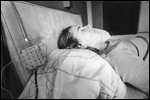 |
1978: Henry Ford Hospital opens the first Sleep Disorders Center in Michigan and the eighth in the country. 1979: Henry Ford Hospital was one of the pioneers in performing coronary angioplasty. This balloon procedure has revolutionized cardiology care for patients with coronary disease. 1980: The Department of Neurology acquired the first Topical Magnetic Resonance (TMR) unit in the nation, providing increased capability of non-invasive exploration of the brain and other organs. The department also achieved a designation as one of 12 Stroke Centers in the United States. - Henry Ford otolaryngologist Dr. Shiro Fujita developed a surgical procedure called uvulopalato-pharyngoplasty to enlarge the oropharyngeal airway in patients with obstructive sleep apnea. The procedure was later adopted nationwide, and the Center for Sleep Disorders incorporated this treatment into their research on blood oxygen levels in sleep apnea patients. - Drs. Fred W. Whitehouse and Dorothy A. Kahkonen were the first physicians in Michigan and the second in the country to administer human insulin to a patient with diabetes. |
|
1979: Henry Ford becomes one of the pioneers in performing coronary angioplasty – when a catheter (a tube) with a balloon is inserted into the blocked artery, then inflated to open it. |
|
|
1980: Henry Ford's Department of Neurology is the first in the nation to acquire the topical magnetic resonance (TMR) unit, allowing clinicians to zero in on a specific area. This advances the capabilities and prestige of the Neurology specialty. |
|
|
1980: Drs. Dorothy A. Kahkonen and Fred W. Whitehouse were the first physicians in Michigan (second in the country) to administer human insulin to a patient with diabetes. |
|
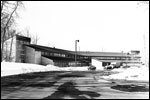 |
1981: Maplegrove was built on a secluded site at the West Bloomfield campus. The 40,000-square-foot, 50-bed center, in its peaceful woodsy setting, opened in February. It featured bedrooms, lounges, a library, examining rooms, therapy and staff areas and recreational areas. A multidisciplinary staff of physicians, nurses, counselors and therapists provided a four-week residential program, a three-phase program for the recovery of adult alcohol-addicted patients, as well as outpatient programs. Betty Ford came to Detroit to dedicate the Center. |
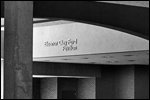 |
1982: A 210,000-square-foot addition called Eleanor Clay Ford Pavilion opened, housing new operating rooms, modern emergency room facilities, intensive care units and radiology facilities. 1983: The Hospital's Board of Trustees reorganized by incorporating a parent organization called the Henry Ford Health Care Corporation to oversee the operations of the hospital and two subsidiaries. During the late 1980s, the hospital affiliated with Cottage, Wyandotte and Kingswood Hospitals, and added an HMO called Health Alliance Plan. |
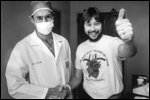 |
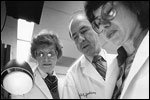
1985: Drs. Fraser Keith and Donald Magilligan performed Detroit's first heart transplant. David Butts, a 38-year-old patient from Portage, Michigan, recovered well from this surgery and his rehabilitation was supervised by hospital cardiology staff. Butts was married and became a father, and was able to live a fairly normal family and work life until his death ten years later. Transplantation surgery continued successfully at the hospital after that first procedure. Additional heart transplants followed (34 in the first year), and in 1986 Blue Cross Blue Shield designated Henry Ford Hospital as an approved heart transplant center. - The first extracorporal shock wave lithotripsy in Michigan is performed at Henry Ford Hospital. This non-invasive procedure breaks kidney stones into sand-like grains which are easily passed from the body. |
 |
1986: The Henry Ford Bone & Joint Center is established. It is the first multidisciplinary medical/surgical department of its type in Michigan. 1987: Dr. Charles Jackson and other Henry Ford and Yale researchers identify the location of a gene on chromosome 10, linked to hereditary medullary thyroid cancer. In 1993, the gene itself is identified. - The first use of iodine radium implant seeds in Michigan is at Henry Ford Hospital. These seeds are used to combat cancerous cells in the prostate. - The first pancreas transplant at Henry Ford Hospital was performed by transplant surgeon Dr. Heung Oh. The hospital was one of three centers in Michigan to conduct this surgery. |
|
1988: Henry Ford Hospital establishes a center for the treatment of conditions affecting the human voice, called the Center for the Performing Artist, the first of its kind in Michigan and one of the first in the nation. - The first liver transplant in Detroit was performed at Henry Ford Hospital by Drs. Richard Dow and Martin F. Mozes. |
|
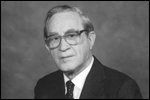 |
1990: Henry Ford Health implements the Quality Management Process system-wide, one of the first hospital systems in the country to initiate this process. - Dr. Clarence Livingood is the recipient of the AMA Distinguished Service Award, the only Michigan physician to have been so honored. - Henry Ford Mercy Health Network is established as a unique, collaborative joint venture that shares the resources and the expertise of the two health systems. |
1991-Present
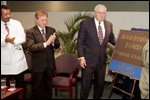  |
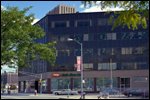
1995: The Walter and Josephine Ford Cancer Institute conducts Michigan's first radiosurgery treatment for patients with inoperable tumors using the three-dimensional x-knife system. - The National Institutes of Health designates the Department of Neurology as a headache research center, the first in the country. - The Henry Ford Smell and Taste Center opens, one of the only ten in the country that specializes in treating patients with loss of taste or smell. - Henry Ford Hospital is selected as the only Michigan radiology facility to offer catheter-guided placement of a device for the treatment of high-risk or inoperable brain aneurysms. - The W.K. Kellogg Foundation awards Henry Ford Health $4 million to develop 13 school-based health centers that will provide primary care to students in Detroit Public Schools. - Henry Ford Health opens the Center for Senior Independence, a comprehensive medical program that assists the elderly to live independently in their homes and in the community. - Henry Ford Health president and chief executive officer Gail L. Warden begins his one-year term as chairman of the American Hospital Association. Henry Ford is the only institution in the nation to have had three of its chief executives serve as AHA chairman. The other two are Dr. Robin Buerki (1935-36) and Stanley Nelson (1982). - Henry Ford Hospital is one of nine hospitals in the nation designated by the National Institutes of Health as a stroke research center. - Horizon Health System merges with Henry Ford Health, uniquely combining the educational programs of allopathic and osteopathic physicians leading to dual certifications. |
 |
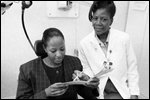
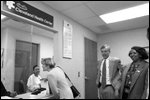
1993: Henry Ford Health and the Institute for Healthcare Improvement form the Group Practice Improvement Network, with 58 multi-specialty groups to improve quality and value of medical group practices through shared learning.
- Health Alliance Plan is Detroit's first HMO to be fully accredited by the National Committee for Quality Assurance. |
  |
1994: The National Committee for Quality Health Care awards Henry Ford Health the first National Quality Award for Health Care Integration, for its success in integrating quality values in the organization. - A generalist training program for students and residents, one of a handful in the country, is launched in partnership with Case Western Reserve University in Cleveland. - Henry Ford Health establishes one of the first four tinnitus (ringing in the ear) centers in the country, located in Grosse Pointe Farms. - Henry Ford Hospital is the only facility in Michigan selected by the National Cancer Institute to join a national consortium to research new treatments and therapies for brain tumors. - Henry Ford Hospital performs the first lung transplant in metro Detroit, making Henry Ford Hospital the only facility in metro Detroit to perform all solid organ transplants. |
|
1995: The National Institutes of Health (NIH) designates Henry Ford's Department of Neurology as country's first headache research center. |
|
|
1995: Henry Ford is the coordinating center in a clinical trial evaluating the role of tissue plasminogen activator – now commonly called tPA – for acute stroke patients to help dissolve blood clots that cause a stroke. The study is designed by Mike Welch and Barbara Tilley at Henry Ford Hospital. This same year the team’s work is published in the New England Journal of Medicine (NEJM). In 2012, the publication is listed as one of the most important articles in celebration of NEJM’s 200th anniversary. |
|
|
1995: Henry Ford Hospital is one of nine hospitals in the nation designated by the National Institutes of Health (NIH) as a stroke research center, establishing an ongoing quality expectation for all Henry Ford hosptials. |
|
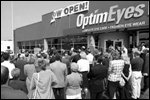 |
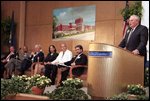
1996: OptimEyes (formerly First Optometry), with its 51 optometry locations in Michigan, joins Henry Ford Health. - Henry Ford Hospital performs the state's first split-liver transplant, during which a donor's liver is split in two and the halves are transplanted into two patients. A cross-racial, living kidney transplant is performed involving two friends. It is the first in Michigan and one of only two dozen in the country. 1997: Henry Ford Medical Group joins the American Medical Association, making it the largest medical group in the AMA. |
 |
1998: Josephine Ford donates $10 million to Henry Ford's Cancer Institute, which is renamed in her honor. - Henry Ford is the state's first hospital to offer genetic testing for breast cancer. - The $75 million, 185,000-square-foot Henry Ford II Pavilion opens to patients. - Henry Ford Heart & Vascular Institute performed Michigan's youngest pediatric heart transplant with Children's Hospital of Michigan |
|
1998: Henry Ford Hospital is the first in Michigan to offer genetic testing for breast cancer. |
|
 |
1999: Friends and family of David Hermelin, ambassador to Norway, pledge $10 million to create a brain tumor research center at Henry Ford. - HAP named General Motors "benchmark HMO" based on quality. HAP is the only HMO in Michigan and one of 13 HMOs named by GM. 2000: Henry Ford Hospital performs Michigan's first adult-to-adult, living donor liver transplant. The fourteen hour operation by Drs. Marwan Abouljoud and Atsi Yoshida, was the two hundredth to be performed nationwide. |
|
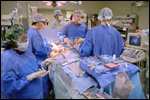
2000: The Vattikuti Urology Institute is established, and Dr. Mani Menon is the first in the world to perform a robot-assisted prostatectomy in the U.S. using "Leonardo" the robot. A prostatectomy is the removal of part or all of the prostate gland. |
|
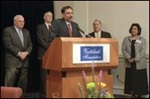 |
2001: The Vattikuti Foundation is created through the generous donation by Raj and Padma Vattikuti. The gift is a $40 million donation to support cancer research and treatment programs at Henry Ford Health and Beaumont Hospitals. In partnership, the institutions work on new treatment methods and education in the prevention of prostate and breast cancers. - The Vattikuti Urology Institute, under the direction of Dr. Mani Menon, is the first in the country to routinely perform surgery usi |
|
2001: Henry Ford is recognized by the American Medical Association as leading one of the 10 Major Contributions in Medicine for its pioneering work in the field of Extracellular Vesicle (EV) therapeutics – using existing cells in the body to deliver therapeutic treatment. Henry Ford is the first to use EVs derived from stem/progenitor cells to treat stroke, neural injury, and neurodegenerative diseases. |
|
|
2001: Henry Ford Hospital is an original site for the multicenter trial for the treatment of benign prostatic hyperplasia (MTOPS) – a type of non-cancerous enlargement of the prostate. |
|
|
2001: Zero Suicide Initiative is launched, quickly becoming a national leader and model for suicide prevention. |
|
|
2001: Begins Early Goal-Directed Therapy Treatment of Severe Sepsis and Septic Shock, a life-threatening infection. This treatment focuses on optimizing oxygen delivery to the tissue. |
|
|
2002: The first patient advocacy group is established at Henry Ford, welcoming feedback and input from current and former patients to improve the patient experience. |
|
|
2005: Dr. William O'Neill performs the first transvascular aortic valve replacement in the United States. |
|
|
2005: Henry Ford is the largest site for the NeuroPace Feasibility trial, enrolling 9 of the 63 total participants/patients. NeuroPace is a medical device used to help control epilepsy. |
|
|
2006: Participates in a SMART (Sequential Multiple Assignment Randomized Trial) study, which changed how HIV is treated. The study reveals that treatment interruption was detrimental for patients. |
|
|
2006: Pioneered the development of stereotactic spine radiosurgery, a non-invasive precise radiation therapy used to treat tumors and other conditions affecting the spine. Henry Ford led the first national randomized trial of this technology, now a standard of care, which minimizes damage to surrounding tissue. |
|
|
2006: Coronary computed tomography angiography (coronary CTA) studies on new 64 slice CTs is initiated, which shows high-resolution, detailed images to help clinicians make more accurate diagnoses. It can also potentially lead to faster treatment. |
|
|
2007: Piloted a program for Internal Medicine patients to get same-day mammograms to eliminate wait times when a possible concern is noted. |
|
|
2007: Formed an ultrasound peripherally inserted central catheter (PICC) team for patients who are hospitalized. This tube allows for necessary medicines to be administered without setting up a new IV line. |
|
|
2007: "No Harm" campaign was launched. Over the next 3 years this resulted in a 31% reduction in harm events and an 18% reduction in inpatient mortality systemwide. |
|
|
2009: Henry Ford Dermatology Department is the first team in the U.S. to perform a melanocyte transplant for vitiligo, a condition where pigment producing cells do not function. Melanocytes are responsible for pigmentation, or coloring. |
|
|
2009: Launches a study to explore epidemiology and outcomes of community methicillin resistant Staphylococcus aureus (MRSA), a type of staff infection that does not respond to antibiotics. This study is used nationally to influence control measures by the CDC. |
|
|
2009: The American Academy of Neurology approves the MEG payment policy statement – written by three Henry Ford physicians – allowing neurological studies to be covered by insurance. Within six months, all major private insurance companies adopt MEG. |
|
|
2010: Henry Ford Hospital is the first in Michigan to use NanoKnife technology on pancreatic tumors. NanoKnife is a technology that uses electrical pulses to destroy cancer cells. |
|
|
2011: The Hermelin Brain Tumor Center houses Michigan's first high resolution high-field intraoperative MRI (iMRI) system. The iMRI is used during brain surgery to provide immediate images of the brain. |
|
|
2011: Henry Ford takes a prominent position in leading the National CDC Influenza Surveillance studies. These are then used to inform knowledge epidemiology and helps to determine the U.S. vaccine. |
|
|
2011: Conducts the IMPACT-HAP Multi-center study – an investigation launched by Henry Ford Health and Health Alliance Plan – in ICUs with a goal of changing the national practice guideline in how ventilator-associated pneumonia is managed. |
|
|
2011: First in the world to use a new, robotically controlled ultrasound probe to remove a cancerous tumor from a kidney. |
|
|
2011: One of four organizations/businesses in the U.S. to win Malcolm Baldridge National Quality Award. This award is presented by the President of the United States and is one of the most prestigious national awards for performance excellence. |
|
|
2012: Henry Ford Innovation Institute opens (later changed to Henry Ford Innovations). |
|
|
2012: Henry Ford Hospital is the first in Michigan to perform the LARIAT procedure, a minimally invasive technique to close the left atrial appendage (LAA) to prevent stroke. The LAA is a small pouch-like structure that extends from the left atrium of the heart. |
|
|
2012: Henry Ford is the first health system in the state – and among the first in the nation – to implement a mandatory influenza immunization policy for its health care workers. This is later implemented nationally by other hospitals. |
|
|
2012: Forms an antimicrobial stewardship committee to improve patient outcomes through close management of the use of medicines for infections and to educate healthcare providers. In 2016 this becomes a model for hosptials nationally. |
|
|
2012: The Vattikuti Urology Institute Center for Outcomes Research, Analytics and Evaluation (VCORE) is established. |
|
|
2013: Led by Dr. Adam Greenbaum and his team, Henry Ford Hospital performs the world's first transcaval valve replacement procedure (replacing a diseased aortic valve using a catheter-based approach). |
|
|
2013: First in Michigan to use FibroScan, an ultrasound device that provides a non-invasive alternative for liver biopsy. |
|
|
2013: First in Michigan to implant a subcutaneous defibrillator – without leads/wires inside the heart or blood vessels – to treat patients at risk of sudden cardiac arrest. The S-ICD is implanted under the skin and delivers a shock to restore a normal rhythm of the heart when necessary. |
|
|
2013: One of 10 centers nationwide to use laser ablation – or directing a laser to destroy damaged or irregular matter – in brain surgery. |
|
|
2013: Conducts the BUGG study, the first controlled trial to show contact isolation is not needed for two antibiotic-resistant infections (methicillin resistant Staphylococcus aureus and vancomycin resistant enterococci). This changes the practice nationally and internationally. |
|
|
2013: Conducted the first minimally invasive brain surgeries in Michigan. |
|
|
2014: First in the U.S. to perform a transcatheter tricuspid heart valve replacement. This is an alternative to open heart surgery. |
|
|
2014: Implements the first dedicated Varian Edge Stereotactic Radiation Unit in North America (second in the world), and trains more than 400 doctors around the globe. This technology delivers focused radiation beams to destroy or control cancerous and benign tumors while minimizing damage to surrounding healthy tissue. |
|
|
2014: First in world to use the AngioVac device to successfully suction a cancerous tumor from a major vein in a patient with metastatic kidney cancer. |
|
|
2014: First in Michigan to perform robotic-assisted kidney transplant. |
|
|
2015: Participates in the international START study, which finds early/immediate antiretroviral therapy for persons with HIV significantly reduces serious HIV-related and non-HIV-related adverse outcomes. |
|
|
2015: Implements digital breast tomosynthesis at Henry Ford facilities. This technology is more accurate for breast cancer screening, especially for those with dense breast tissue. |
|
|
2016: First in Michigan to perform a prostate artery embolization procedure (blocking arteries of an enlarged prostate). |
|
|
2017: As part of the systemwide antimicrobial stewardship effort, implements a program that shows reviewing prescriptions and receiving feedback is an effective measure to control unneeded antibiotic use in low- and middle-income countries. |
|
|
2017: Creates first combined Maternal Fetal Medicine/IBD (inflammatory bowel disease) clinic in Michigan. |
|
|
2017: Implements the first-in-the-world FDA-approved combined MRI and linear accelerator (MR-Linac and ViewRay MRIdian® Linac) at the Henry Ford Cancer Institute and treats the first patient in July 2017. This allows clinicians to see tumors immediately during radiation therapy so they can guide more precise treatment planning. |
|
|
2017: The Lung Cancer Screening Program is initiated, allowing at-risk patients to receive a low-dose CT scan of their lungs, with regular follow-up screenings to diagnose lung cancer in its earlier stages. The team also creates a biorepository to house lung cancer tissue samples for research. |
|
|
2018: First in U.S. to perform a mitral trans-catheter valve replacement. This procedure is minimally invasive and allows doctors to replace a diseased valve without the need for open-heart surgery. |
|
|
2018: Together with WHO (World Health Organization), develops, evaluates and then implements a “toolkit” for antimicrobial stewardship in low- and middle-income countries, now used worldwide. This contains proven methods to reduce the spread of infection while caring for patients. |
|
|
2018: A laboratory-based study reveals a distinct reservoir of hidden (latent) HIV infection in patients. This has major implications in creating strategies to eradicate HIV. |
|
|
2018: Creates the Minority Men's Health program to help advance care for minority men. |
|
|
2018: "All of Us" national research study launches at Henry Ford, one of several sites around the world. This study enrolls 1 million people from around the globe, to help further understanding of how DNA can be used to refine treatment plans. This type of care is called Precision Medicine. |
|
|
2019: Doctors at Henry Ford Hospital conduct the first double lung transplant in the U.S. due to vaping injury – the patient is a teen from the Detroit area. |
|
|
2019: First in metro Detroit to perform catheter-based transcaval aortic valve implantation. This procedure uses a thin tube to secure the new valve in place. |
|
|
2020: Plays a leading role in the COVID-19 response, conducting over 1.2 million tests, pioneering hospital-based PCR testing in Michigan. Hospital-based team members discover life-saving steroid treatments for hospitalized patients (recognized and adopted worldwide). Also participates in vaccine trials, delivers monoclonal antibody treatments, and develops models of care for Detroit’s nursing homes and homeless populations adopted nationally. |
|
|
2025: Henry Ford Hospital and Henry Ford Jackson Hospital achieve Magnet® redesignation (initial designation occurring in 2020). Awarded by the American Nurses Credentialing Center, this represents the highest level of professionalism in nursing practice and is the gold standard in nursing excellence. Henry Ford West Bloomfield Hospital is also a Magnet designated hospital. |
|
|
2021: Henry Ford Health cardiologists are first in U.S. to implant new device, called the Aortix System, to treat heart failure. This system is for patients hospitalized for acute decompensated heart failure (ADHF) and experience persistent congestion despite standard medical therapy. |
|
|
2021: Henry Ford Cancer Institute is the first in the world to activate two new treatments for glioblastoma as part of the groundbreaking GBM AGILE clinical trial. Henry Ford Hospital was the first site to open in this world-wide trial, enroll a patient, and include both treatments as part of its Precision Medicine program. These therapies both hold FDA Orphan Drug designation and represent new hope for patients facing glioblastoma. |
|
|
2021: First in the U.S. to perform a procedure using CG-100 device for colorectal surgical patients. This sheath covers the surgical area inside the colon to prevent debris from collecting during the healing process. |
|
|
2021: Henry Ford Innovations creates an Ultrasound Innovation Lab to partner and co-develop handheld point-of-care ultrasound technology. This is used by paramedics in the field, as well as at the bedside in the hospital. It was even sent into space to be used on the International Space Station! |
|
|
2021: The MR-guided adaptive Radiation Therapy team, under the leadership of Dr. Parag Parikh, completes its first all-virtual international course on this topic, with participants joining from around the U.S., England, Italy and Belgium. |
|
|
2021: First in Michigan and second in the U.S. (outside of a clinical trial) to implant the latest generation Terumo Aortic Relay Pro aortic stent graft as a frozen elephant trunk technique (named so because it looks like one). This stent is used for issues such as aneurisms. |
|
|
2021: First in Michigan to use a transvesical single-port robotic approach for minimally invasive simple and radical prostatectomies. The team is also the first in world to perform a transvesical single-port precision prostatectomy, likewise, a minimally invasive procedure. |
|
|
2021: Dr. Craig Rogers performs the first single-port robotic partial kidney surgeries at Henry Ford Hospital and Henry Ford Wyandotte Hospital. |
|
|
2021: First in U.S. to enroll a patient in a NanoPac phase 2 clinical trial for the injection of NanoPac chemotherapy prior to single-port prostatectomy surgery. |
|
|
2021: The Henry Ford Brigitte Harris Cancer Pavilion opens in Detroit. |
|
|
2021: Dr. Adam Robin collects the 5,000th blood tumor tissue sample at Hermelin Brain Tumor Center. These samples are crucial for ongoing research. |
|
|
2022: First in Michigan to perform fully robotic controlled High-Intensity Focused Ultrasound to provide to destroy localized prostate cancer. |
|
|
2022: Participates in ACTIV-3 study, which looks at the safety and effectiveness of different drugs in treating COVID-19 in people who have been hospitalized due to the infection. |
|
|
2022: Teams from Infections Diseases and Pharmacy document the importance of pharmacist intervention when a patient is discharged from the hospital, possibly shortening how long a patient will need to take antibiotics and reduces antibiotic harm. This is now part of CDC guidelines. |
|
|
2022: Publishes first record for conducting Cold EMR surgery of duodenal (colon) polyps. This method reduces the likelihood of complications. This establishes a new standard of care. |
|
|
2023: First in the U.S. to perform a transcatheter tricuspid valve replacement (TTVR) on a patient with tricuspid valve disease. |
|
|
2023: Performs a medical breakthrough by creating a channel between a blocked left circumflex coronary artery and vein, restoring blood flow to the heart, when neither stenting nor bypass were feasible. |
|
|
2023: Drs. Shawn Webb and Imran Ahmad performed Michigan's first single incision robotic-assisted colorectal surgery, part of a multi-national research study to evaluate the da Vinci SP Surgical System in colorectal procedures consisting of low anterior resections with or without total mesorectal excision and right colectomies (removing the right side of the colon). Dr. Surya Nalamati is the Principal Investigator for this work. |
|
|
2023: The Gilbert Family Foundation announces a $375 million commitment to Henry Ford Health to help bring a 72-bed state-of-the-art physical medicine and rehabilitation facility – the Shirley Ryan AbilityLab – to the new patient tower known as Destination: Grand. |
|
|
2023: A study, based on 35,000 persons seen at Henry Ford, is the first to demonstrate the association between acute/recent COVID-19 infection with a false-positive fourth generation HIV test. This discovery alters clinical practice by requiring additional testing and patient follow-up to confirm or reject a diagnosis of HIV infection. |
|
|
2023: Henry Ford participates in the REPRIEVE study, which finds that the proactive use of a medicine called pitavastatin in persons with HIV (and with low to moderate cardiovascular risk) leads to a 35% reduction of major cardiovascular events. |
|
|
2024: Started the Michigan chapter of Association of Women in Rheumatology (AWIR). |
|
|
2024: Henry Ford's Pancreatic Cancer Center forms an Academic Center of Excellence, which is determined by the National Pancreas Foundation. |
|
|
2024/25: First in Michigan to perform the GammaTile therapy/surgery, which precisely targets brain tumors. |
|
|
2024: - Dr. Muneer Abidi leads a transplant team that successfully treats one of the first people in the world to receive a bone marrow transplant from a deceased human donor. This is a pioneering achievement that could set a precedent for future treatments for patients with leukemia, lymphoma, sickle cell anemia and other life-threatening diseases. |
|
|
2025: Henry Ford takes definitive steps toward addressing chronic childhood disease by forming a Pediatric Obesity clinic. It also forms a center for pediatric gastroenterology, hepatology, and nutrition. |
|
|
2025: A new, comprehensive and expansive GI/Endoscopy center opens at Henry Ford Hospital. |
|
|
2025: A patient at Henry Ford Hospital receives one of the first BrioVADs in the country, something possible at only seven centers across the U.S., as part of the Innovate Trial. The BrioVAD is a type of mechanical heart pump to improve blood circulation throughout the body. |
|
|
2025: First to use FDA-approved Stentoplasty device (Neva DS) to treat compression fractures of the spine. |
|
|
2025: Henry Ford implants a first-of-its-kind extravascular defibrillator. |
|
|
2025: Henry Ford Hospital and Henry Ford Jackson Hospital achieve Magnet® redesignation (initial designation occurring in 2020). Awarded by the American Nurses Credentialing Center, this represents the highest level of professionalism in nursing practice and is the gold standard in nursing excellence. Henry Ford West Bloomfield Hospital is also a Magnet designated hospital. |